
Reviewed · NAMIBIA
Elephant Adventure with Herson – a native of Damaraland
This experience is interesting because you get the most valuable part of a safari in one go: close elephant time in Twyfelfontein, guided by a local who grew up around them, while you drive your own 4×4 through real off road terrain. It is not a big bus day. It is a hands on way to read the land and find wildlife.
I love the private, in your own vehicle setup, because it keeps the experience flexible and gives you more control over how you watch and where you pause. I also love that Herson, a native of Damaraland, shares elephant insight and local culture while he helps you track animals in the dried riverbed.
One drawback is simple: you must be comfortable with off road driving and the setup is not ideal for people with back problems. If off road driving makes you nervous, the tour can still work, but you should go slowly and be prepared to follow his driving instructions closely.
Key things that make this tour special
- Herson is a certified elephant guide and a native of Damaraland, raised among elephants
- You drive your own 4×4, so the day feels personal, not rushed, not crowded
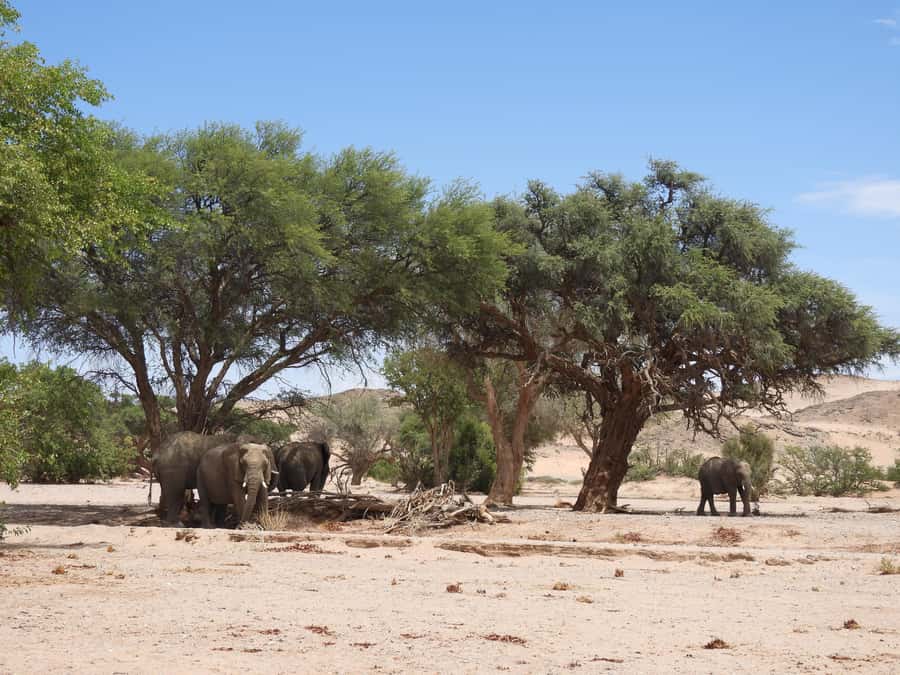
- Twyfelfontein riverbed animal spotting in a dried channel full of desert adapted life
- Tracking mindset matters, and Herson helps you find tracks and follow them
- Elephant family encounters are possible, including calves, when conditions line up
- Culture lessons on the drive add meaning beyond wildlife watching
Twyfelfontein in a 4×4, with Herson guiding from the driver’s seat
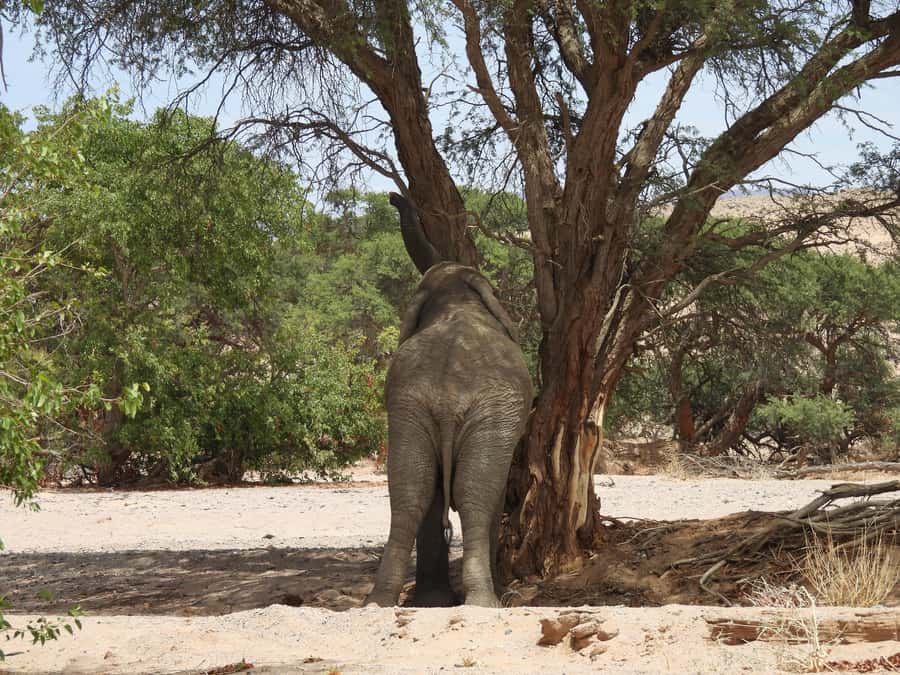
This is one of those Namibia experiences that feels like it has two halves, and both are good. First, you spend serious time in Twyfelfontein, a wide dried riverbed where desert adapted elephants move through the same kinds of routes over and over. Second, you do it with Herson, a native of Damaraland and a certified elephant guide, riding with you in your own vehicle and guiding you on what to do and what to look for.
The big difference here is that you are not outsourcing the driving or the searching. You are driving, and Herson guides you exactly where and how to drive. That turns the day into a real safari skill builder, especially if you have never handled soft sand, uneven rock, and riverbed ruts before.
You should also know what kind of wildlife day this is. Elephants are the target, but this is not a promise that you will always see them in the first few minutes. When the elephants are in the area, you can get amazing close viewing. When they are not, the best guide response is patience and persistence, and Herson’s approach reflects that.
Worth lining up alongside this Kunene trip:
- Etosha National Park: Himba Village Cultural Tour
★ 4.5 · 6 reviews
Meet Herson, a native of Damaraland who knows the elephant rhythms
Herson is the star ingredient. He is local to the Kunene Region and lives modestly near Khorixas, which matters because he is not just passing through with a script. He also supports his family with income from elephant tours and creates and sells wooden elephant products, so your tour fee connects to something tangible.
What I like about the way Herson guides is how he blends three topics that usually get separated. He talks about elephant behavior and habitat, he reads the signs in the riverbed, and he also explains people and culture of the indigenous communities of Damaraland. That combination keeps the drive from feeling like empty driving time.
Herson is also known for being easy to talk to and patient with questions. So if you want to understand why desert adapted elephants look and move the way they do, you are not stuck with short answers. You can ask about elephants, nature, and culture, and he will work to explain in plain language.
Twyfelfontein riverbed: why this dried channel is such good elephant country
Twyfelfontein is a dried riverbed, which means it looks quiet at first. But it is the kind of place that collects tracks, animal movement paths, and seasonal signs. For elephants in this region, those same routes matter because they match water seeking behavior and food availability.
The payoff is that when you spot activity, you can often observe more natural behavior than you might from a distant viewpoint. You can also watch how animals use the riverbed edges, where cover and uneven ground give them options.
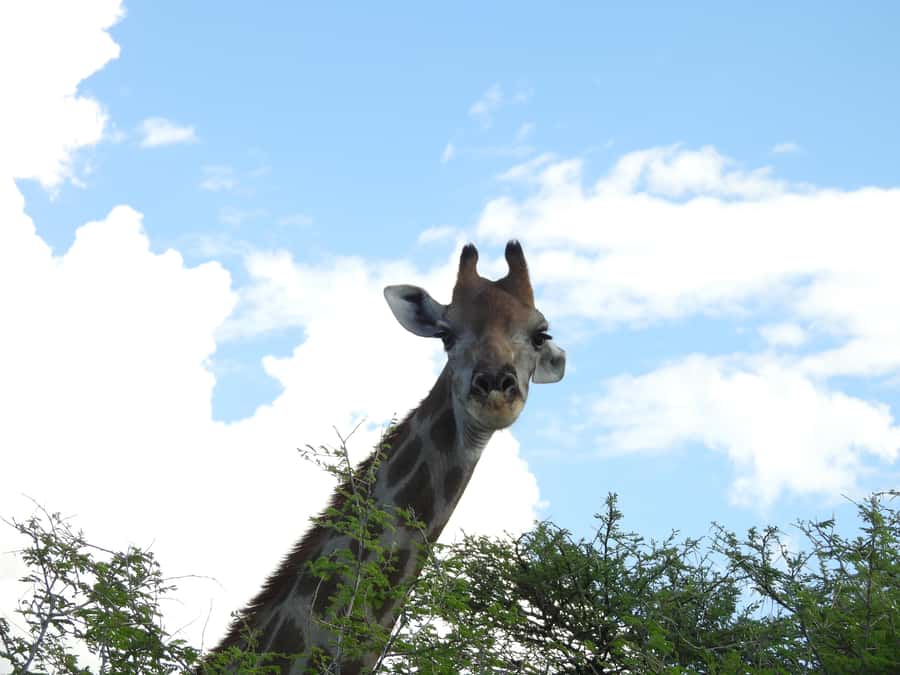
In addition to elephants, this kind of habitat can show you other fauna too. In past trips people have reported giraffes along the way, plus a wider spread of desert wildlife such as warthogs, birds, and even small animals. So even on days where elephant movement takes time, you are still likely to see something interesting.
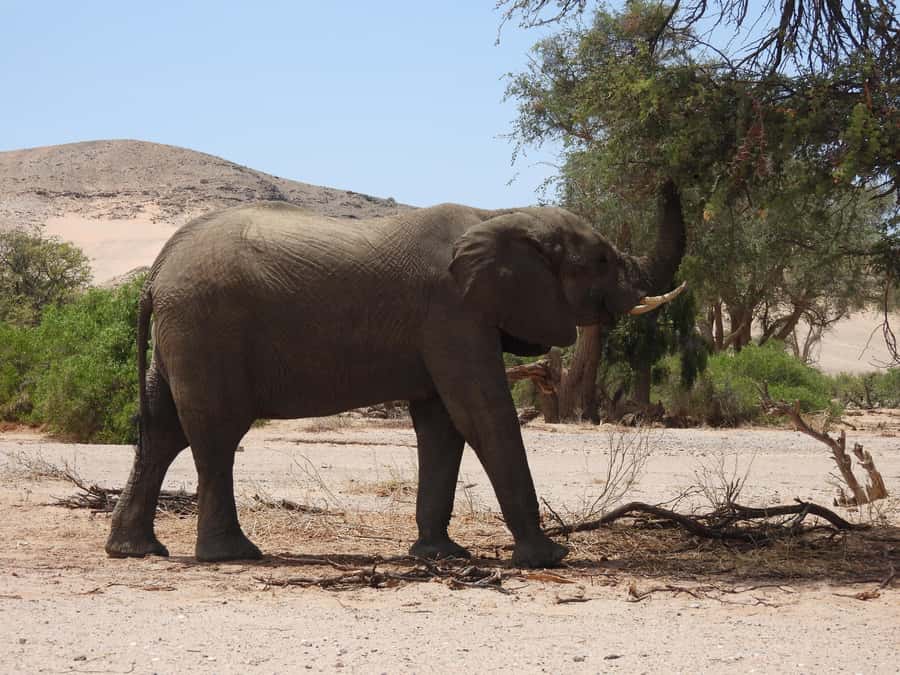
One extra note: desert adapted elephants are not the same as the ones you might meet in other famous parks. Herson can explain differences in their traits and behavior compared with elephants from other regions, so you can leave with a clearer mental model of what makes this population special.
The elephant encounter: what you can realistically hope to see
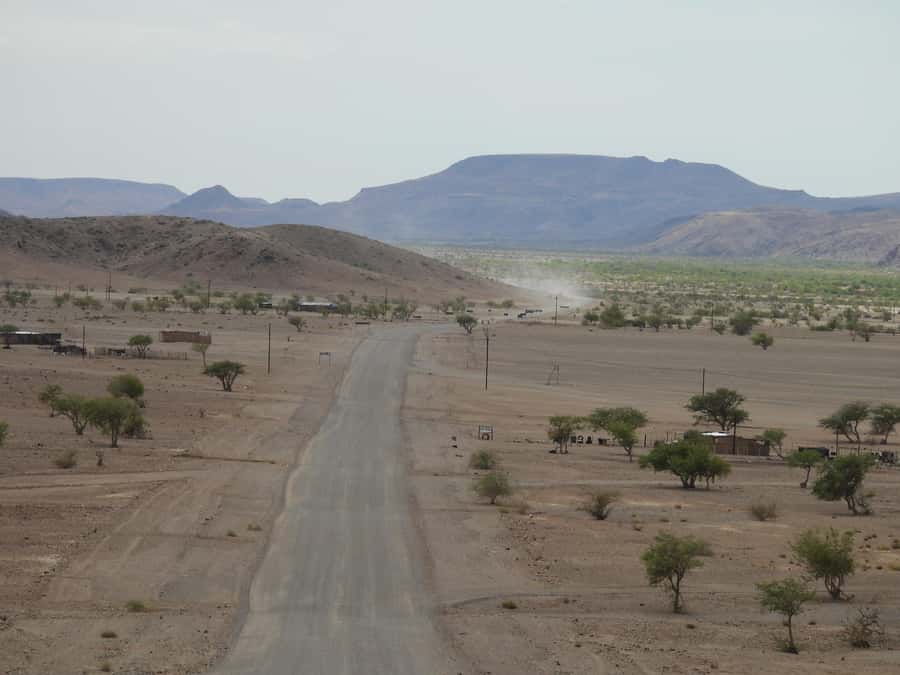
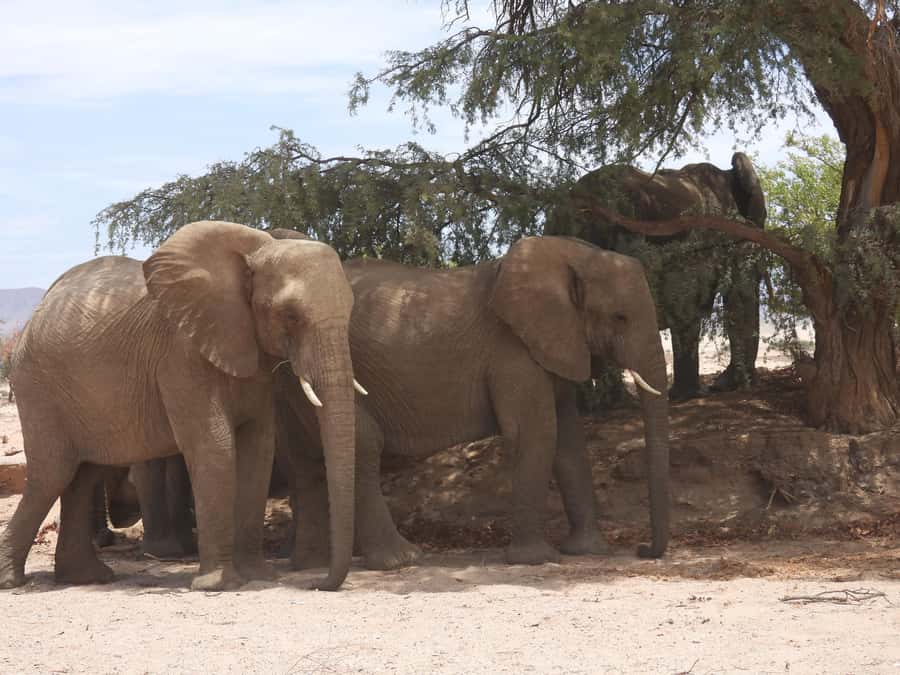
Your core goal is elephants of Damaraland in the Twyfelfontein riverbed. When the elephants are close, you may get to observe an elephant family, not just one animal. Some trips have included multiple elephants and even calves, including very young elephants. That is the kind of moment that changes a wildlife trip from nice to unforgettable.
Even so, it is smart to hold your expectations in the real world. Elephants are wild. Finding them can depend on where they are traveling that day. That is why the “keep searching” quality of the guide matters. In practice, a good sign is that Herson does not give up quickly when the first hunt attempt is not successful.
When you do find elephants, expect the guide to help you manage position and pace. You are close enough to watch behavior, but you are still in a vehicle, moving carefully in a sensitive habitat.
Driving your own 4×4: how to stay in control on soft sand and ruts
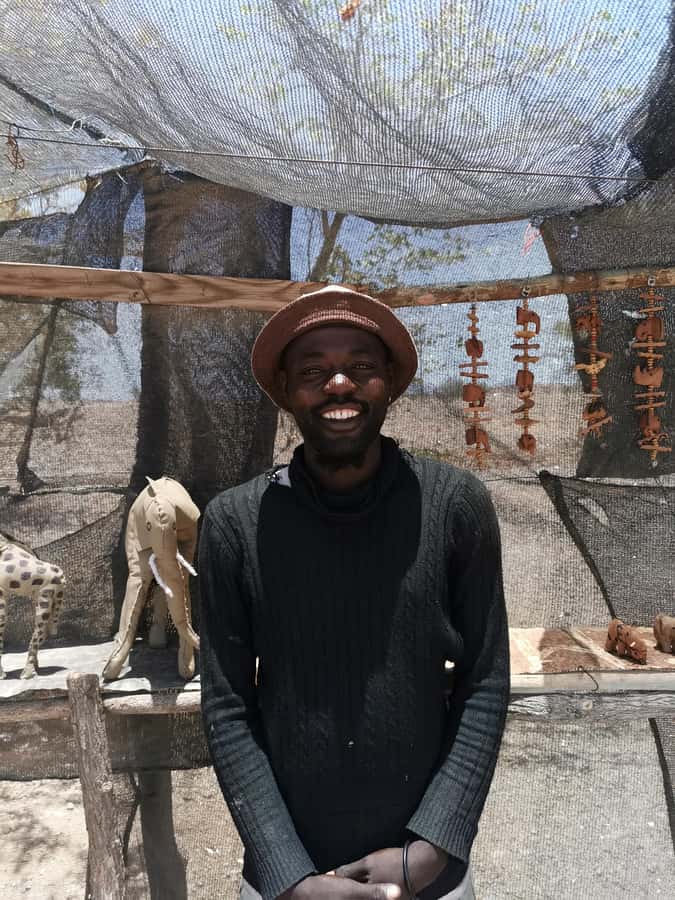
This tour’s biggest practical requirement is the vehicle. You have to bring your own off road 4×4. A good fit is typically a Toyota Hilux, Toyota Land Cruiser, Nissan Navara, or similar vehicles with solid tires and the ability to handle rough terrain.
The driving style is also important. Herson gives instructions so you can handle the riverbed safely and efficiently. One repeated tip is that you should avoid stopping in the softer parts of the riverbed. Stopping can make it easier to get bogged down in loose sand or mudlike patches. The key is calm driving, steady movement, and following Herson’s guidance on where to place your tires.
This is also why the tour is described as off road. It is not an easy road cruise. If you are the kind of person who gets tense behind the wheel in rough terrain, you may want to think twice. If you are comfortable learning and staying relaxed, you can handle it. And if you are not sure, ask Herson directly how your driving style will be managed before you commit.
One more practical tip: protect your rental car plans. Some off road days can lead to minor vehicle damage if the terrain gets rougher than expected, especially if the vehicle setup is not quite right. Bring the right tires and keep your driving gentle.
What you learn about culture and people along the way
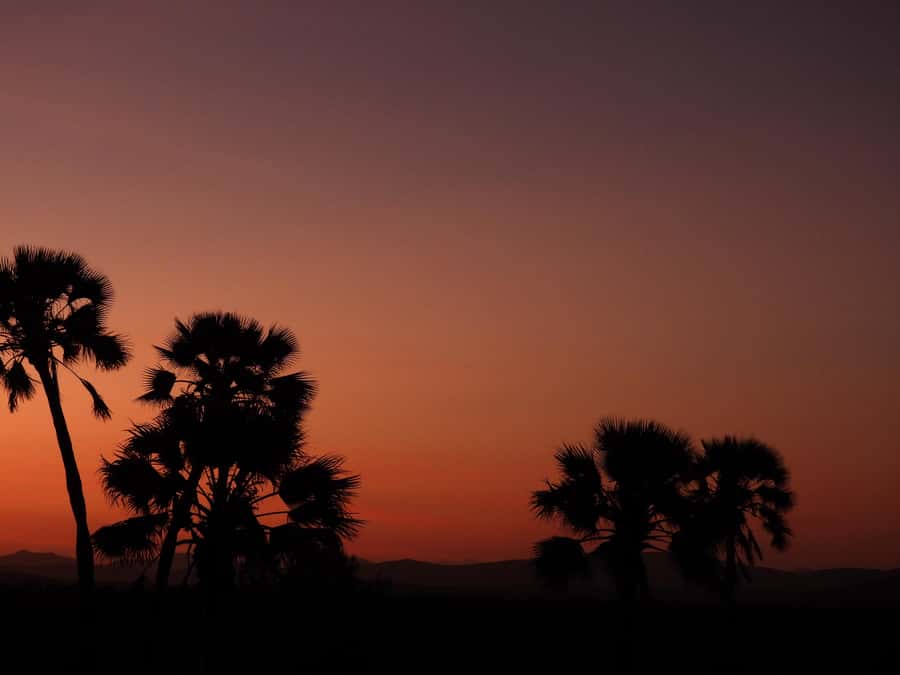
Wildlife is the headline, but Herson adds context so the day feels grounded. He shares interesting facts about the people and culture of Damaraland. That includes explanations of tribes, daily life, and how communities live in a landscape shaped by elephants and other wildlife.
This matters for two reasons. First, it prevents the tour from feeling like a checklist. Second, it shows you how ecotourism can work as a local income source rather than just a distant conservation slogan.
On at least some outings, the drive can include moments connecting you with nearby communities. For example, people have mentioned meeting people from De Riet during the route. Even when there is no formal “visit,” Herson’s explanations help you understand what you are seeing beyond wildlife.
And because Herson answers questions all day, you can steer the conversation. If you want culture first, ask for it. If you want elephants first, ask for more elephant behavior details.
Walking through the 2 hour flow, start to finish
The tour runs about 2 hours total. The guided time is around 90 minutes, based on how the drive and spotting portion works out for your group.
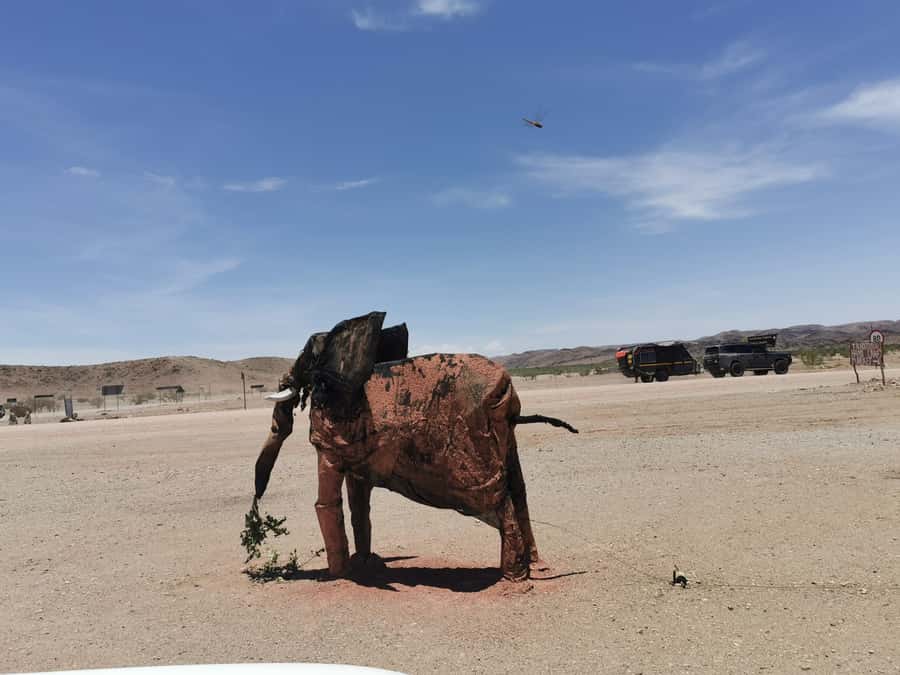
You start at a specific meeting area marked by a blue banner for Herson’s Elephant Adventures. Behind it, there is also a large elephant made from cans and other metal materials, which makes the meeting point easier to find.
From there, you set off in your own 4×4 with Herson guiding the route through the riverbed and surrounding areas. The hunt for elephants is part of the story. That means you might drive some distance before you spot the first sign. On good days, the first elephant can appear quickly, even within the first 30 minutes. On tougher days, you might spend more time tracking and observing until the elephants are located.
When you find elephants, the goal is time to watch and understand behavior. Past experiences have included enough time to observe a family group, sometimes including calves. If finding elephants takes longer, some tours have run longer than the stated 2 hours, depending on what the guide decides is needed to reach the best viewing.
At the end, you return to the same meeting point where you started. You leave with a clear sense of what desert elephants do in this habitat, and usually with new confidence about how to read animal signs in dried riverbeds.
Price and value: why $25 can make sense, and when it does not
At about $25 per person, this tour can feel like a bargain compared with many private wildlife options in Namibia. The value comes from two things you rarely get together. You get a dedicated local guide for a focused elephant hunt, and you get the flexibility of driving your own vehicle rather than following a fixed route in a group vehicle.
There is a catch, and it is worth naming. This price assumes you already have the right vehicle. If you have to rent a 4×4 and you end up worrying about damage or comfort the whole time, the value equation changes fast.
So here is how I’d frame it. If you have a suitable 4×4, enjoy driving off road, and want a more personal elephant-focused outing, $25 can be excellent value. If you are traveling with a vehicle that is not truly off road capable, or you do not want to handle sand and ruts, the tour is better approached carefully.
Who this tour fits best
This tour is a strong match for people who want an elephant experience that feels hands on and local. It is also a good fit for mixed ages because it can be adapted to how your group handles the driving.
You will probably enjoy it most if you:
- Want private guiding and a quieter, more flexible pace than big group tours
- Have a 4×4 and are comfortable driving it on uneven terrain
- Like asking questions and learning how elephants use desert habitats
- Want more than just a photo stop, you want real observation time
You should think twice if you have back problems, because the off road driving component and the vehicle movement may not be comfortable.
Also, wheelchair accessibility is listed, but off road touring still depends heavily on how you personally manage vehicle entry, seat comfort, and rough ground. If mobility is a concern, it is smart to ask your guide about what the route and vehicle adjustments would look like.
Practical tips to make the day smoother
Bring a mindset that this is an off road search mission, not a guaranteed hit on the first try. When you are calm and steady behind the wheel, you will likely get more enjoyment out of the tracking and spotting.
Wear gear that works for dust and sun. Even in a dried riverbed, conditions can change quickly depending on weather and recent rain. Light layers and closed shoes help, especially if you might be leaning and moving while you watch animals.
Finally, treat Herson like the main resource of the day. If you want elephant behavior explained, ask. If you want to understand why you are stopping or moving, ask. The experience is better when you use the guide time actively.
Should you book Elephant Adventure with Herson?
I think you should book this tour if your priority is desert elephants with a real local guide and you are ready for self drive off road terrain. Herson’s approach is built around tracking, patience, and answering questions, which is exactly what you want when wildlife is not a predictable vending machine.
You should also consider booking if you value privacy and want your own vehicle. It changes how you experience the riverbed, because you control the pace and you can focus on watching rather than coordinating with a group vehicle.
Skip it or postpone it if you are not comfortable driving off road, or if you have back problems that could make the ride difficult. The elephant part is worth it, but the vehicle part is not optional.
If you fit the sweet spot, this is the kind of outing that gives you more than an animal sighting. You get a clearer sense of how desert elephants survive here, plus a window into Damaraland culture from someone who actually lives there.
FAQ
Where does this tour take place?
It takes place in Namibia in the Kunene Region, with elephant watching in the Twyfelfontein riverbed area.
How long is the experience?
The tour duration is 2 hours, with guided time around 90 minutes for the drive and spotting portion.
What does it cost?
The price is $25 per person.
Do I need my own 4×4 vehicle?
Yes. You have to bring your own 4×4 off road vehicle, and Herson guides you on where and how to drive.
What kinds of animals can we see?
The focus is on elephants of Damaraland, and giraffes and other fauna in the Twyfelfontein riverbed area may also be spotted.
Is the tour private?
Yes. It is a private group experience.
What language is the guide?
The live tour guide speaks English.
Is the tour wheelchair accessible?
Wheelchair accessibility is listed as yes, but it is not suitable for people with back problems.
Where do we meet Herson?
You meet at the location marked by the blue banner of Hersons Elephant Adventures, with a big elephant made from cans and other metal materials behind it.
Can I cancel and get a refund?
Yes. Free cancellation is offered up to 24 hours in advance for a full refund.
Can I reserve now and pay later?
Yes. Reserve now and pay later is available, so you can book your spot without paying immediately.
Latest reviews from Kunene
- Etosha National Park: Himba Village Cultural Tour★ 4.5 · 6 reviews