
Reviewed · DUNE DRIVES
From Swakopmund: Living Dunes Experience
What makes the Living Dunes Experience so interesting is that it turns the Namib Desert into a living, searchable world, not just scenery. I like how you focus on small desert animals and the clues they leave behind. I also like that the tour mixes tracking with time for scenic dune views and photos.
One drawback to consider: the walking and dune terrain are not suitable for people with mobility impairments.
- Small-creature focus: you track geckos, lizards, snakes, chameleons, and more, not just the big stuff
- Spotting skills matter: your guide teaches you how to read the sand for subtle signs
- Desert survival lessons: you connect animals to the adaptations that help them handle heat and scarcity
- Photo time is real: the dunes and the tiny subjects give you plenty of chances to shoot
- Hotel pickup and drop-off: transport is handled from Swakopmund, and the tour runs about 210 minutes
- Careful animal respect: guides are trained to look carefully at wildlife without disturbing it
A Living Desert Safari That Turns the Sand Into a Clues Game
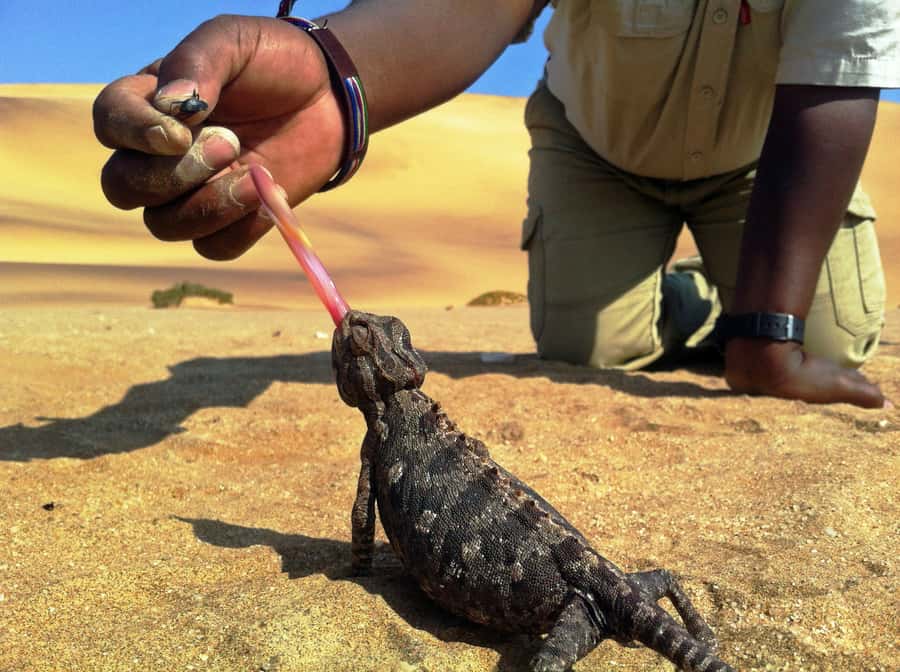
If you love wildlife, this is a refreshing change of pace. Instead of racing for the biggest, fastest animals, this tour teaches you to notice the quiet, tiny inhabitants of the Namib coastal dunes. That shift matters. When you learn how to spot a Palmato Gecko, sand-diving lizards, or a fog-basking tok-tokkie beetle, the desert stops feeling empty and starts feeling busy in the best possible way.
The Namib has a reputation for being extraordinary, and this tour explains why in plain terms. The coastal dune belt near Swakopmund sits within the ancient Namib, a desert said to hold more endemic species than any other desert in the world. You do not have to memorize species names to enjoy it. You just need curiosity and a willingness to look closely.
What really seals the deal is the guide-led approach. Names like Johnny, Björn, and Immanuel come up repeatedly for their mix of care, skill, and humor. That matters on a small-creature safari, because you need someone who can find animals the untrained eye misses, then explain what you are seeing without turning it into a lecture.
From Swakopmund Pickup to the Coastal Dune Belt: How the Timing Works
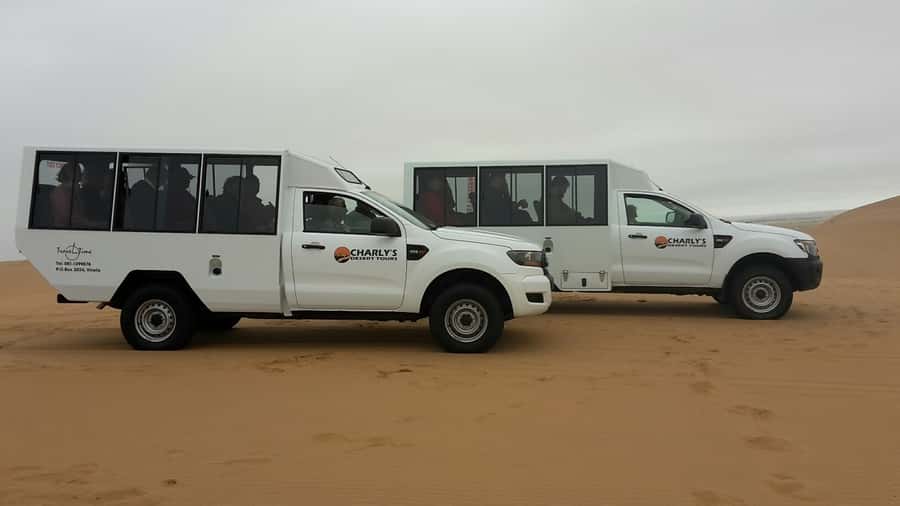
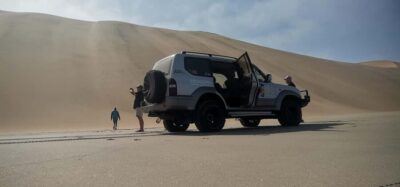
This experience is built around a smooth start. You meet your driver at your hotel in Swakopmund, then you roll out by jeep or SUV. The first leg is short, just a quick transfer into the dune belt just beyond the city limits, so you are not wasting your tour time driving in circles.
From there, the bulk of your outing happens during the guided walking and tracking portion, about 3.25 hours of it. Think of this as the tour’s engine. You get a safety briefing, you move at a pace that makes sense for spotting animals, and you also get scenic views along the drive into the dunes.
Then, you head back to Swakopmund with a shorter ride, about 15 minutes. The structure is practical. You get enough time in the right habitat to actually look, and you still return with daylight and energy intact.
More dune drives:
- Swakopmund: Desert Dunes Quad Biking with Optional Sandboard
★ 4.9 · 590 reviews - Sandwich Harbour Adventure: Seals and Sandwich harbour dune drive
★ 5.0 · 165 reviews - Living Dunes Experience from Swakopmund
★ 4.5 · 76 reviews
Tracking Gecko, Lizards, Snakes, Chameleons, Beetles, and More
Here is the heart of the experience: you are not just watching, you are learning to track. Your guide helps you search for animals that crawl, slither, and hop across the sand, and you also learn how to identify subtle tracks they leave behind.
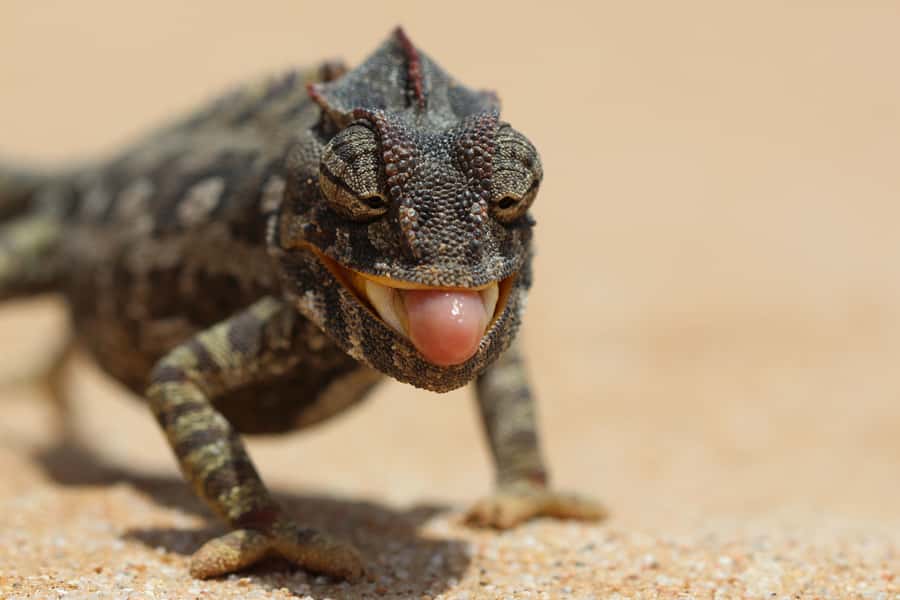
You can expect to look for a set of standout creatures, including:
- Palmato Geckos
- Sand-diving lizards
- The tok-tokkie beetle, known here for fog-basking behavior
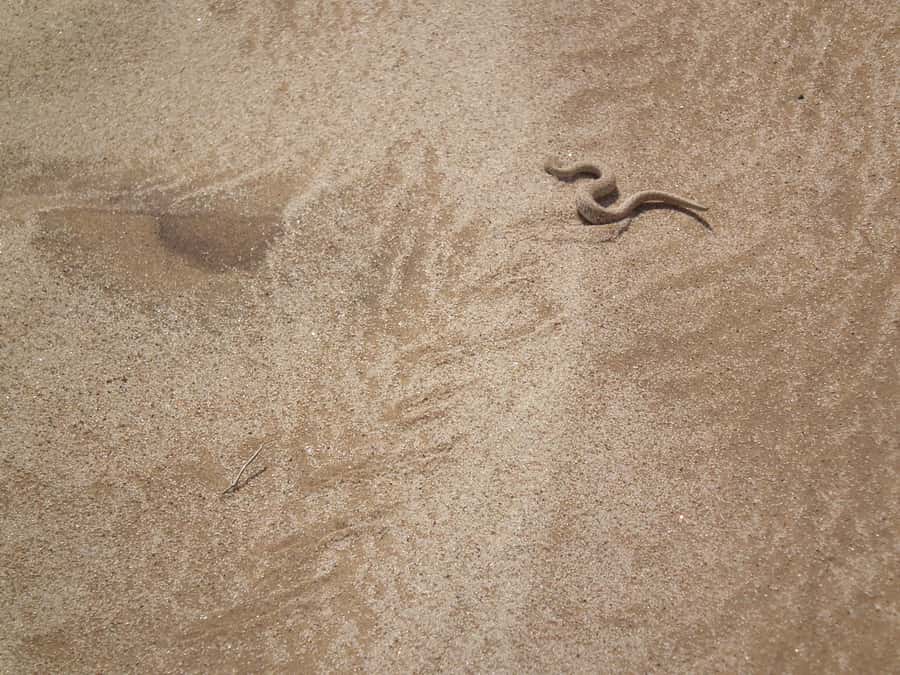
- Sidewinder snakes
- Chameleons
- Spiders and scorpions
Do not think you need to be an expert to enjoy it. The tour is built around interpretation. Your guide points out what to look for in the dune environment, then connects it to how each species survives. That is also why the photo opportunities are so good. Once you know what you are aiming for, the desert turns into a set of small targets.
A practical note: small desert animals can be brief sightings. The value is not just the moment you see something. It is the new mental map you build for where and how these animals move. After the tour, you will likely spot sign patterns more easily even when you are back in Swakopmund, just because you learned how to read the sand.
How Desert Adaptations Explain What You See in the Dunes
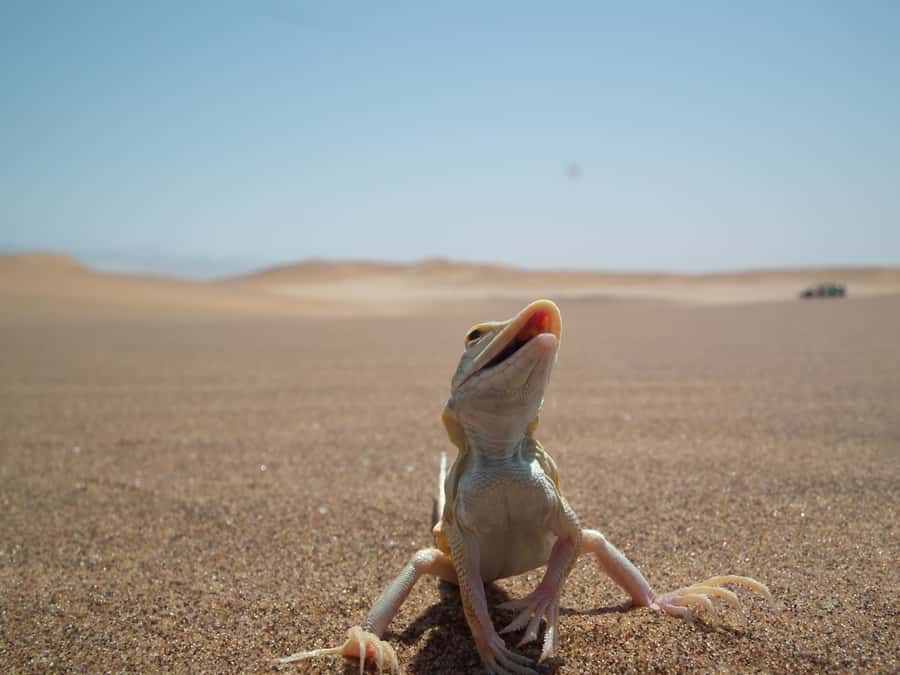
The tour does a smart thing: it treats the animals as a lesson in survival. You will learn about the adaptations that make life in the desert possible, and you will connect those adaptations to the creatures you track.
In the Namib, survival is not just about being tough. It is also about timing, water use, and avoiding the harshest conditions. That is where the tok-tokkie beetle becomes more than a name. Its fog-basking behavior is the kind of detail that instantly makes the desert feel less random and more strategic.
You also learn why tracks matter. When you track footprints, impressions, or sign in the dunes, you are reading behavior, not just location. A lizard’s movement pattern, a sidewinder’s distinct way of traveling, even the general shape of sign, all helps you guess where life is happening.
And you get the best part of this kind of learning: it makes the scenery more meaningful. The dunes stop looking like a pile of sand and start looking like a place where real processes happen, day after day.
Secret Photo Stops and the Short Dune Drive That Wraps It Up
Even with the focus on tracking, you still get time for the visual payoff. Part of the route includes a secret stop designed for photo opportunities, plus scenic views as you head into the dunes. If you like pictures, this matters. You do not just shoot while you rush by. You pause, look, and get guidance on what is worth photographing.
There is also a short dune drive after the wildlife portion. This is not a full-on off-road thrill ride. It is a wrap-up that gives you different angles on the dunes and a quick change of pace before you head back.
For photographers, the lesson is simple. The dunes give you texture and shape, and the tiny creatures give you scale. You will usually have better results when you focus on small details and patterns, not just wide landscapes.
More trips out of Swakopmund:
- Walvis Bay: Marine Big 5 Luxury Catamaran Tour
★ 4.8 · 1,012 reviews - Walvis Bay and Sandwich Harbour Tour
★ 4.8 · 483 reviews - Scenic Sandwich Harbour Tour
★ 5.0 · 277 reviews - Scenic Desert Tour by Bike
★ 5.0 · 165 reviews
Price and Value: What $61 Buys You in Real Tour Time
At about $61 per person, you get a solid slice of guided time for a 3.5-hour outing. Value here is less about the ticket price and more about what is included and how efficiently the schedule is used.
What you get included:
- Hotel pickup and drop-off in Swakopmund
- A guide
- Still mineral water
Not included:
- Food
That inclusion list is important. Transport is handled, and you are not figuring out logistics after a long travel day. The mineral water helps, especially in a sun-heavy environment where you might forget to plan your own supply.
The missing piece is food. Plan for it. If you are touring earlier in the day, bring a snack plan or eat before you go. Water is provided, but you should not count on a meal being part of the program.
What to Bring, What to Wear, and What to Expect on the Ground
This is a dune walk. That means sun and sand matter. The tour gives you basics, but you should show up prepared.
Bring:
- Sunscreen
- Hat
Wear:
- Comfortable closed shoes you do not mind getting dusty
- Light layers you can adjust, because dune conditions can change as you move
Also, the tour is not suitable for people with mobility impairments. If you use a wheelchair or rely on assistance to walk uneven ground, this is probably not the right fit.
On the timing side, your tour is about 210 minutes total. That is long enough to expect real searching time, short enough that you should not feel stranded in the desert. Bring patience. The best small-creature moments often come after careful looking, not in the first few minutes.
Who This Tour Is Best For (and Who Might Want Something Else)
This is tailor-made for people who like learning as much as seeing. If you enjoy animal behavior, tracks, and the logic behind how creatures survive, you will love it. It is also great if you are visiting Swakopmund and want something different from the usual big-safari pattern.
It is especially well suited to:
- Photo lovers who want something more interesting than landscapes
- Nature-minded travelers who like guides that explain what you are seeing
- Anyone who wants to understand the Namib in a practical way, through the animals that live there
It may not be ideal if:
- You want guaranteed sightings of larger wildlife
- You need easy mobility and minimal walking on uneven sand
Should You Book the Living Dunes Experience?
I think you should book this tour if your idea of a great desert day includes learning to spot life that most people miss. The $61 price point feels fair because hotel pickup and drop-off are included, the outing is long enough to actually search, and you are led by guides who are repeatedly praised for finding small desert creatures and explaining them clearly. You are also getting a tour style that respects wildlife, which is key when you are hunting for tiny animals.
Skip it only if you need accessibility-friendly terrain or you are specifically after large-animal viewing. If you are open to the sand-based version of wildlife watching, this is one of the more memorable ways to experience the Namib near Swakopmund.
FAQ
Where do I get picked up?
Pickup is included from your accommodation in Swakopmund.
How long is the Living Dunes Experience?
The total duration is 210 minutes, about 3.5 hours.
How much does it cost?
The price is $61 per person.
Do I need to bring food?
Food is not included, so you should plan to eat outside of the tour.
What should I bring?
Bring sunscreen and a hat.
Is the tour suitable for people with mobility impairments?
No, it is not suitable for people with mobility impairments.
Is there a guide, and what language is it in?
Yes, there is a live tour guide, and the tour is in English.
Can I cancel if plans change?
You can cancel up to 24 hours in advance for a full refund.
Latest reviews from Swakopmund
- Spitzkoppe – Day Tour to the Spitzkoppe Mountain from Swakopmund★ 5.0 · 3 reviews
- Unforgettable Half Day Adventure, Explore Sandwich Harbour★ 5.0 · 3 reviews
- Walvis Bay Shore Excursion: Flamingos, Dune 7, Swakopmund★ 5.0 · 3 reviews
- Half Day Swakopmund Cultural Historical Township Tour★ 5.0 · 4 reviews
- Full-Day Tour in Namib Desert from Swakopmund, Namibia★ 5.0 · 3 reviews
- Walvisbay Dune 7 and Swakopmund Town Half Day Guided Tour★ 4.0 · 4 reviews
- Swakopmund Cultural Township Private Day Tour★ 3.8 · 4 reviews
- Swakopmund Explorer Township Tour in Mondesa with Nande the Township Local Guide★ 5.0 · 4 reviews
Dune Drives, compared.
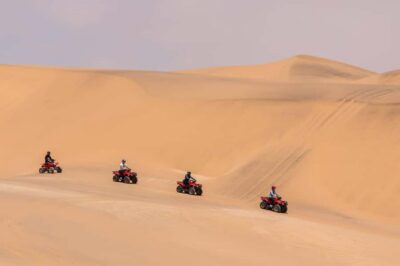
Desert Dunes Quad Biking with Optional Sandboard
Read our review →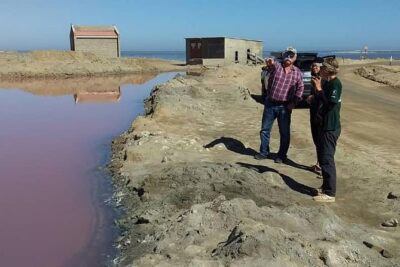
Sandwich Harbour Adventure: Seals and Sandwich harbour dune drive
Read our review →
6-Day Dunes and Wildlife Accommodated Safari from Windhoek
Read our review →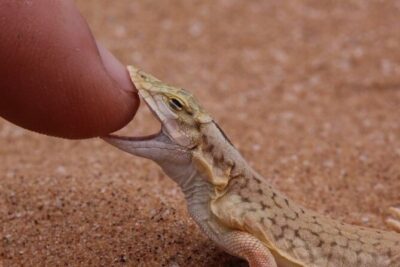
swakopmund city tour dune 7 pink lake pink flamingos
Read our review →
9 Day Canyons, Dunes & Wildlife Camping and Lodge Safari
Read our review →
Browse the lists this tour appears in