
Reviewed · DUNE DRIVES
6-Day Dunes and Wildlife Accommodated Safari from Windhoek
Namibia has a way of changing your sense of scale, and this 6-day Dunes and Wildlife safari strings together a great mix. You start with Etosha National Park at prime wildlife hours, then pivot to the Namib Desert’s big dune country, and finally add the stark Skeleton Coast shipwreck stop.
Two things I especially like are the early morning timing and the hands-on variety. You get predator-focused drives in Etosha, plus real wildlife-focused stops later in the trip, like the cheetah conservation experience near Solitaire. The one drawback to consider is that this is a group tour with a set rhythm, including long vehicle days, so if you want total flexibility, you may find the schedule a bit strict.
That said, for the price you are paying for the hard parts: park time, long-distance logistics, transport in a custom air-conditioned vehicle with a pop-up roof, and a guide who keeps things moving without cutting corners.
Key Things I’d Plan Around
- Pop-up-roof safari vehicle for better viewing during game drives, with air-conditioning for comfort between stops
- Etosha timing that includes afternoon wildlife time, sunrise-style pan time, and waterhole watching
- Salt pan drama at Etosha Pan, including the chance to see why flamingos come here
- Damaraland cultural stops along the way, including time connected to Himba and others
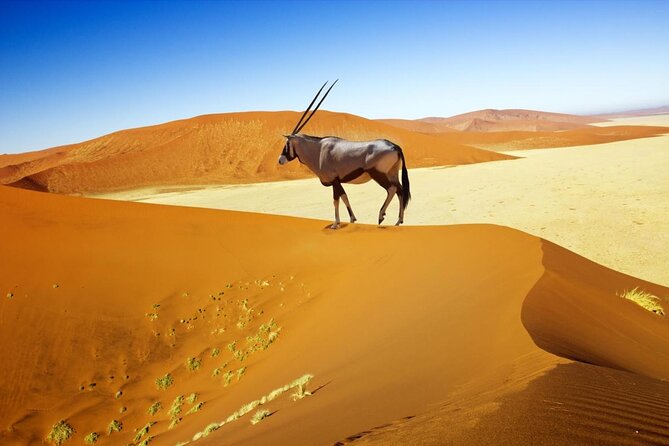
- Sossusvlei sunrise and on-foot walking, including Dead Vlei and the dune climbs that most people never self-drive to
- Cheetah work at Solitaire, with a conservation focus and a chance for photos
Windhoek Pickup, Chameleon Safaris, and Your Safari Transport
This tour starts at Chameleon Safaris, Ferry Street, Windhoek with a 7:00 am start time. Pickup is offered within Windhoek city limits, so you do not need to figure out parking or meeting points on your own.
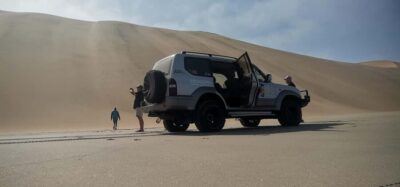
One practical win is the vehicle. You travel in a custom-built air-conditioned safari vehicle with a pop-up roof, which matters in Namibia because sight lines help when animals are at the edge of the road or when you are scanning for movement. It also helps on long travel days, since you get a real break from heat while still having good wildlife viewing.
Group size is capped at 12 travelers, which tends to keep the trip from feeling like a moving cattle pen. Still, it is a group itinerary. Your pace follows the plan, and you will need to be okay with early wake-ups and scheduled stops.
Finally, this is not just a drive-through trip. You also get a professional English-speaking driver and guide, plus the in-country help that keeps your days structured, from gates to check-ins to the timing of sunset and sunrise stops.
More dune drives:
- 9 Day Canyons, Dunes & Wildlife Camping and Lodge Safari
★ 4.5 · 23 reviews - 3 Days Amazing Red Dunes of Sossusvlei | Private Guided Tour
★ 5.0 · 10 reviews - Swakopmund: Desert Dunes Quad Biking with Optional Sandboard
★ 4.9 · 590 reviews
Etosha National Park: Halali Waterhole, Okaukuejo Tower, and Big Predator Energy
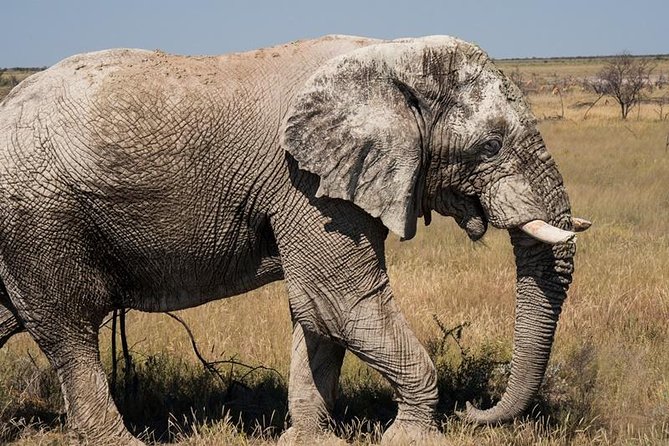
You enter Etosha around the Andersson Gate about 2 pm on Day 1, then spend the afternoon driving toward your accommodation at Halali. That timing is intentional. It gives you daylight to spot animals, then you shift into evening wildlife mode without losing a whole day to travel.
Halali is where the trip becomes easy to love. Your lodge is set up for waterhole watching, and the standout tip is to spend time at the floodlit waterhole before and after dinner. That is when animals often feel most comfortable, and you will notice the rhythm: people settle in, the light catches dust in the air, and then you see movement you would miss from a distance.
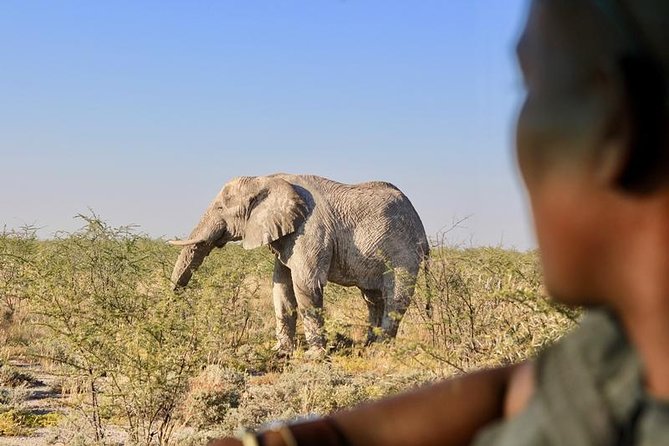
On Day 2 you’re back out for morning drives aimed at predators. You’re searching for hunters and the signs around them, not just the easy-to-spot grazers. Later, you stop at Okaukuejo waterhole, where you can climb the tower, grab a cold drink, and use the bathroom.
If you are the type who wants wildlife time that feels like a real routine, Etosha delivers. The drives are not random. They are built around animal activity, especially around water.
The only consideration is stamina. Even if you are not physically climbing much in Etosha, you are spending long hours in a vehicle and staying alert. Bring layers and keep your posture comfortable for scanning.
Etosha Pan Time: Flamingos and the Meaning of a Salt Pan
Day 2 includes a key shift. You get a mid-morning game drive that takes you out to Etosha Pan, where you can see where the park gets its name. A salt pan sounds dry and boring until you see how it changes the whole feel of the region.
This stop is also your flamingo moment. The tour is built around the idea that the massive salt pan is part of the breeding ground story for these birds. You are not guaranteed birds every day, but the timing and focus are there because this is one of Etosha’s defining features.
It helps to think of the pan as more than a view. It’s part geography, part wildlife habitat, and part lens for understanding why Etosha feels so different from other reserves. The light can look unreal, and the emptier spaces make silhouettes matter. If you like wildlife photography, you’ll likely appreciate how backgrounds simplify when you are shooting birds and animals against open salt flats.
Practical note: bring a hat and sun protection. Even when you are in the vehicle, open areas reflect light. You might not feel the heat until you notice how quickly your skin gets tired.
Long Drive Day to Damaraland and the Zeila Shipwreck
Day 3 starts with a major travel transition. You head through rural Namibia, including a drive through Damaraland, where you get cultural stops connected to Herero, Damara, and Himba communities. You also get the chance to support small markets and see people in their local environment.
That cultural block is one of the reasons this tour feels more than just parks. You are reminded that Namibia is lived in, not just visited. It also gives you a moment to slow down and ask questions, rather than only chasing animals.
After a roadside lunch, the trip continues toward the coast for a stop at Zeila Shipwreck. The shipwreck is a major mood shift from Etosha. Instead of floodlit waterholes and animal tracks, you get a coastline story and that eerie reminder that the ocean can be unforgiving.
This is also a day where timing matters because you’re covering ground. You’ll reach Swakopmund and check in, then you have time to explore on foot before dinner.
If you’re sensitive to long vehicle days, plan your energy. Use the vehicle time for podcasts, reading, or just quiet scanning out the window. It is a long one, but it sets up the next couple of days in dune-and-coast mode.
Other ways to spend a day in Windhoek
- 12 Day Classic Namibia Camping Safari
★ 5.0 · 77 reviews - 3 Day Sossusvlei Budget Camping Safari
★ 5.0 · 62 reviews - 6 Day Sand, Sea & Etosha Budget Camping Safari
★ 5.0 · 36 reviews - 7 Day Southern Namibia and Sossusvlei Camping Safari
★ 5.0 · 26 reviews
Swakopmund Flex Time and the Road Toward Solitaire
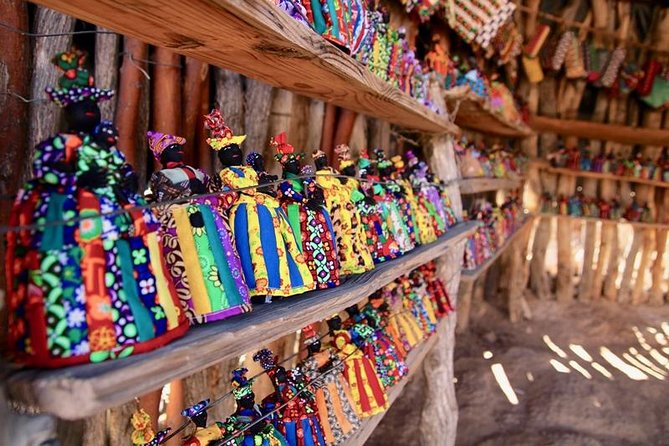
Swakopmund is your breather stop. When you arrive, you check in and get a chance to walk around the town before dinner. It’s a helpful reset because the next day is another shift into desert driving.
Day 4 begins with breakfast, then there’s an optional activity. The tour offers sand boarding into the coastal dune fields, with pickup from your guesthouse or hotel at 11:15 and a pre-departure talk. Optional time is good here because you can decide based on energy and comfort level.
After that, you travel via Kuiseb Pass and Gaub Pass to reach Solitaire and your camp. Pass routes like this matter because they keep the scenery changing, and you get multiple “this looks different now” moments even before you arrive at the dune country.
When you reach the Desert Camp late afternoon, you get time to relax and enjoy the views, followed by a short walk for sunset over the Naukluft Mountain range. That short walk is important. It breaks up the driving and gives your body a chance to stretch without turning the day into a full hike.
If you want maximum flexibility later, this day gives you it in a small way with the optional sand boarding. If you prefer to stay grounded, skip the optional activity and use the time for rest and photos.
Sossusvlei Sunrise and Dead Vlei: The Dunes People Dream About
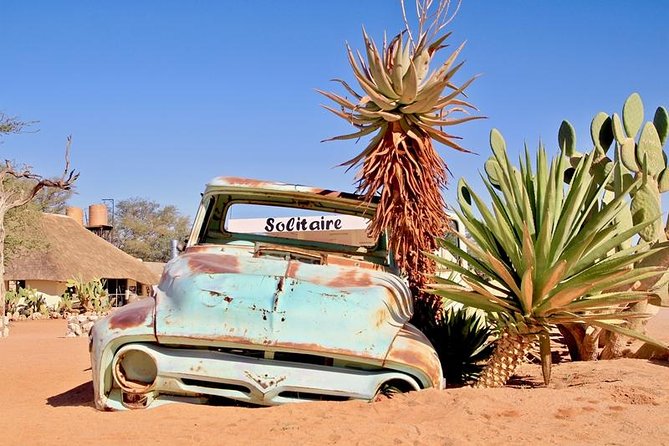
This is the day that often sells the entire trip. You depart at dawn from camp and drive to the park gate for sunrise, then you head down an ancient riverbed surrounded by dunes to the 2×4 parking, about 55 km in. From there you take a 4×4 shuttle into the Sossusvlei region.
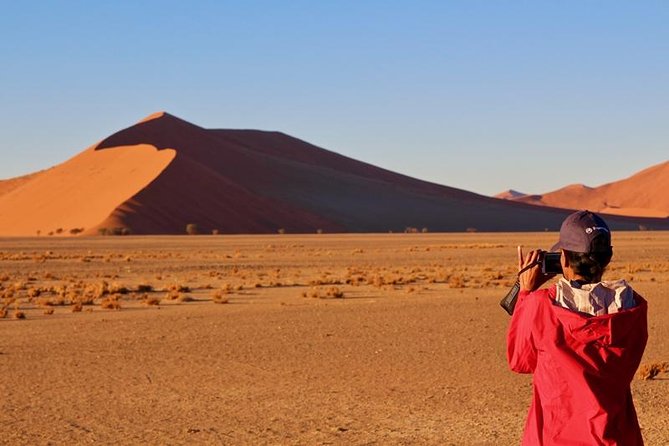
Once you’re in, the tour is built around walking and seeing dunes up close, not only looking from a distance. You explore unique areas on foot, then head into Dead Vlei, where you can see the bleached clay and the skeletal camel thorn trees set against massive dunes with changing colors.
In my experience, sunrise desert light does two things. It makes your photos better, and it makes the space feel more personal. The colors shift quickly, and you get those long shadows that make dunes look textured instead of flat.
If you have the energy for a climb, you can add Big Daddy Dune. It is described as the highest in the area, and the payoff is the view over the Namib Desert. That climb is a commitment, so pace yourself.
After that, you move through Sossusvlei, where you enjoy brunch. Then you stop at Dune 45 for famous photo time. The tour keeps it efficient, so you get the picture without spending your whole afternoon waiting for the perfect light.
Finally, you visit Sesriem Canyon. You drive back to Sesriem and spend about an hour, including climbing down into the canyon where it was once a source of permanent water for wildlife. This is a nice contrast to the dunes. You go from wide, open air to a narrow, shaded cut in the earth.
If you’re choosing only one day to be fully present, it is this one. Bring sun protection, good shoes, and a water plan even if the itinerary does not spell out water refills. The desert can look calm and still exhaust you.
Solitaire Roadhouse Lodge Cheetah Conservation and Tracking
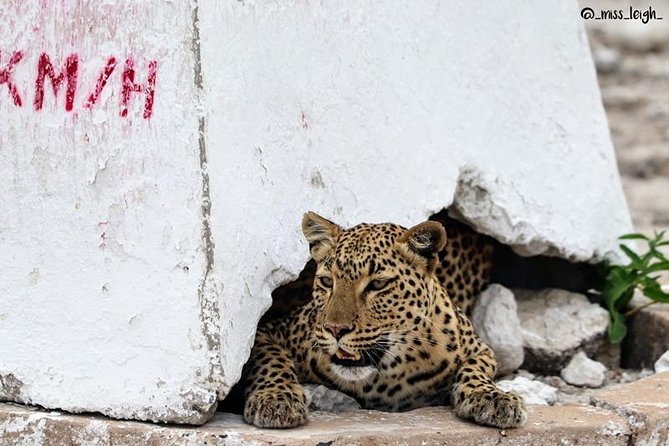
On Day 6 you get an early breakfast, then you head to Solitaire for the cheetah experience. You board an open vehicle to visit a local conservation project, where you learn about cheetahs that are unable to be released for different reasons.
This is not just a viewing stop. The experience is framed around the conservation work and learning, and you get time for photos. The tour highlight also mentions cheetah tracking alongside a biologist, so the day is designed to bring you closer to the story behind the animals, not just the animal itself.
Why this matters for your trip value is simple. Parks are impressive, but conservation is the bridge between what you see today and what might still be there later. In a place like Namibia, where distances are huge and ecosystems face pressure, that learning component helps you connect what you saw in Etosha and the dunes to how wildlife is protected.
Also, it’s a morale boost. By the time you reach the conservation project, you have already done the big-ticket sights. Seeing cheetahs up close, with context, feels like a strong final chapter.
You then head back to Windhoek, with the trip ending back at the meeting point. Airport transfers are not included, so plan your own onward connection.
Price and Value: What $2,127.99 Gets You in Namibia
At $2,127.99 per person, this is a premium way to cover a lot of Namibia fast. It is not a budget safari, but the price is tied to real costs: park time, long-distance transport, a guide, and lodging across several different regions.
Here’s where the value shows up:
- Transport is handled for you, including the custom air-conditioned vehicle and the long drives between Etosha, Swakopmund, and the Sossusvlei region.
- Wildlife-focused scheduling is included, like predator drives and sunrise timing, which is hard to nail if you self-drive.
- Meals are included with 5 breakfasts, 5 lunches, and 4 dinners, plus tap water. That is a big deal in remote areas where you might otherwise pay more or eat less reliably.
- You get multiple major settings in a tight window, including Etosha waterholes, the salt pan concept for flamingos, coastal wreck-country at Zeila, and dune icons like Dead Vlei and Dune 45.
A fair caution: since it’s a group tour, you might not get to adjust pacing if you want a slower day or extra time at one place. One past review highlighted feeling like the tour was too regimented. If you know you travel best with flexibility, consider asking questions in advance about how preferences are handled, or be ready to work with the schedule.
One more practical money note from past experiences: if you are hoping for booking discounts, double-check the discount terms before you pay. Promotions do not always land the way you expect.
Who This Safari Suits Best
This trip is a good fit if you want Namibia highlights without the stress of self-driving across huge distances. You also get a strong wildlife focus while still including human cultural stops connected to Herero, Damara, and Himba.
You’ll especially like it if you are the type who enjoys structured days. The guide and driver are part of the package, and the overall flow is designed to maximize early light, animal activity windows, and the best photo moments in the desert.
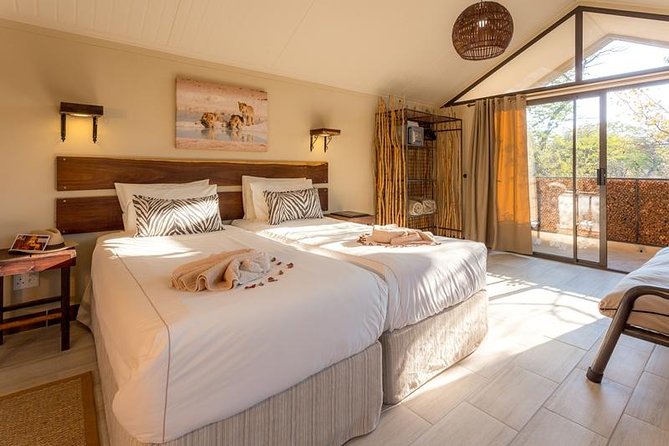
It’s also a decent choice for people who want comfort without luxury add-ons. Lodging is twin share rooms with en-suite bathrooms, and you get time at well-placed camps and lodges for evening wildlife watching and rest.
The one group-tour match question is physical comfort. The tour asks for a moderate physical fitness level, and you can expect walking around viewpoints and the canyon, plus optional dune climbing. You do not need to be an athlete, but you should be ready for some uneven ground and stairs or steps.
Practical Tips Before You Go
A few grounded tips can make this safari smoother.
Bring sun protection and light layers. Desert mornings can feel cooler, then warm fast, and the light changes sharply across dunes. Wear comfortable walking shoes that can handle sand and rocky steps.
Since drinks are not included, plan for your own water and soft drinks. Tap water is provided, but you might still want bottled options for convenience. Pack a small day bag for sunscreen, sunglasses, and a camera.
For the group schedule, set expectations early. If you want more time at a specific spot, communicate it when you can. The best tours run well because guests understand when the day has to move, and where personal flexibility is possible.
Finally, bring a current valid passport. The tour notes that you need it on the day of travel.
Should You Book This Dunes and Wildlife Safari?
If your goal is to see major Namibia in six days, with wildlife drives, dune icons, and a conservation cheetah experience, this is a strong booking. The combination of Etosha timing, the Sossusvlei sunrise format, and the coastal shipwreck stop is exactly the kind of “big Namibia” mix that self-drive usually takes weeks to assemble.
I’d book if you like guided structure, appreciate clear planning, and want meals and transport handled. I’d hesitate only if you know you dislike regimented schedules, hate long drive days, or want total control over pacing every day.
If you match the trip’s style, you’ll likely feel like you got real value: major parks, major dunes, and real animal stories, all wrapped in a professional operation with small group size.
FAQ
How long is the Dunes and Wildlife safari from Windhoek?
It runs for 6 days (approx.).
Where does the tour start and when?
The meeting point is Chameleon Safaris, Ferry Street, Windhoek, with a 7:00 am start time.
Is pickup available?
Yes, pickup and drop-off are offered within Windhoek city limits.
What kind of vehicle do you use for the safari drives?
You travel in a custom built air-conditioned safari vehicle with a pop up roof.
Is accommodation included, and what is it like?
Yes. You get 5 nights accommodation in twin share rooms with en-suite bathroom.
Are game drives included?
Yes. The trip includes 1 full day & 1 afternoon game drive in Etosha.
Are meals included?
Yes. The tour includes 5 breakfasts, 5 lunches, and 4 dinners. Tap water is also included.
Are drinks included?
No. Drinks, including mineral water, soft drinks, and alcohol are not included.
What about activities like sand boarding or dune climbs?
The tour lists an optional sand boarding activity in the Swakopmund coastal dune fields area. You can also choose to climb Big Daddy Dune for views, plus there are scheduled stops for photos like Dune 45.
Do I need a passport?
Yes. A current valid passport is required on the day of travel.
More Wildlife in Windhoek
- Swakopmund: Little Five Desert Wildlife Quad Biking Tour
★ 4.8 · 123 reviews - Wildlife and Landscape Tour- full-day (7hours) from Walvis Bay
★ 5.0 · 5 reviews
Latest reviews from Windhoek
- Knight Vibes: Bars, Shebeen, Clubs Crawl Windhoek★ 5.0 · 3 reviews
- 10 DAYS BEAUTY OF NAMIBIA | Guided Lodge★ 5.0 · 3 reviews
- Windhoek: Katutura Township Tour with Local Guide★ 3.5 · 3 reviews
- Windhoek: City & Township tour. Vehicle, guide, kapana★ 4.2 · 4 reviews
- Predator Encounter: Half-Day Carnivore Feeding Windhoek★ 4.0 · 5 reviews
- 3 Day Camping tour at Etosha National Park★ 5.0 · 5 reviews
- Airport Transfers★ 5.0 · 5 reviews
- 3 Day Camping safari at Sossusvlei★ 5.0 · 5 reviews
Dune Drives, compared.
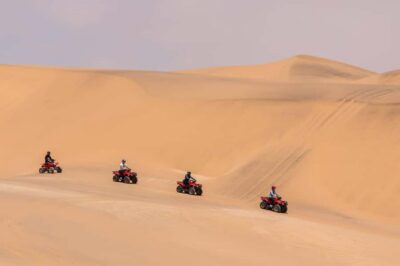
Desert Dunes Quad Biking with Optional Sandboard
Read our review →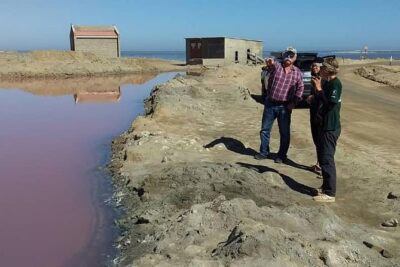
Sandwich Harbour Adventure: Seals and Sandwich harbour dune drive
Read our review →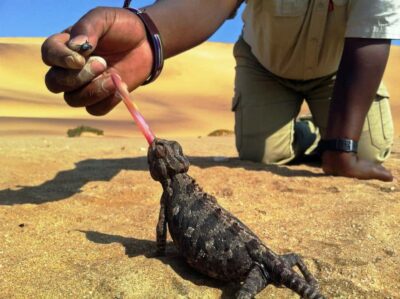
swakopmund city tour dune 7 pink lake pink flamingos
Read our review →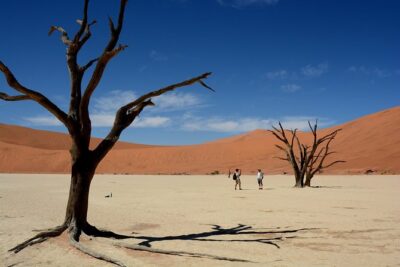
9 Day Canyons, Dunes & Wildlife Camping and Lodge Safari
Read our review →
Browse the lists this tour appears in