
Reviewed · CAMPING SAFARIS
12 Day Classic Namibia Camping Safari
Namibia has a funny way of stacking its wow moments, and this 12 day classic does it in a smart order: conservation first at Etosha, then culture in Himba country, then the big desert hits like Sossusvlei and Dead Vlei. You also get the Atlantic shock of the Skeleton Coast, with Cape Cross seals, then a finish under the Quiver trees.
What I like most is the mix of easy guided drives and feet-on-the-ground stops. I especially love the Etosha rhythm, sunrise game drive to waterholes, then those floodlit evenings at Okaukuejo. I also loved how guides like Tulimo and Gregory keep things running smoothly, from wildlife spotting to cooking meals over an open fire. One thing to think about up front: this is camping. You will want to pack right, and you should bring a sleeping bag because it is not included.
Key Highlights at a Glance
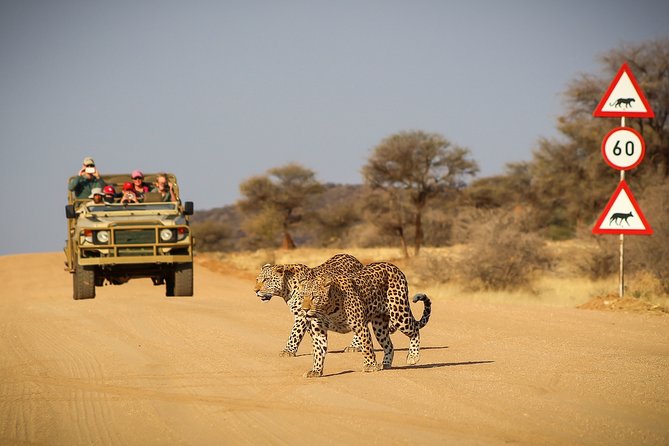
- Etosha waterhole nights at Okaukuejo, when predators and big mammals often come in close after dark
- Rhino conservation at Mount Etjo, plus a chance to see the results of the Mount Etjo Rhino Trust work
- Himba culture visit at Otjikandero Himba Orphan Village, with a guided walk through living traditions
- Cape Cross seals and the Zeila Shipwreck, Skeleton Coast scenes with real atmosphere and scale
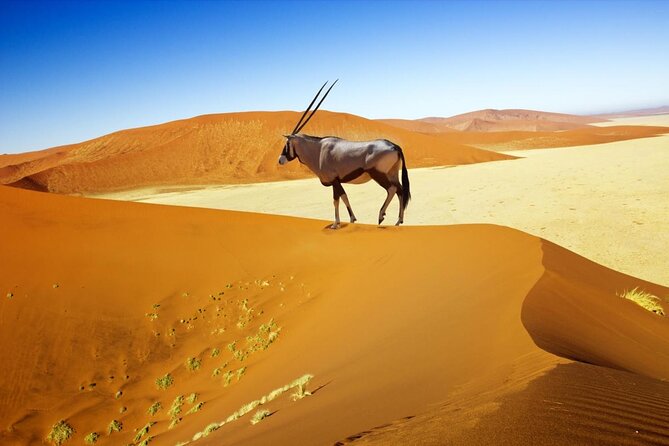
- Sossusvlei and Dead Vlei sunrise and walking, made for photographers and dune lovers
- Fish River Canyon viewpoint at Hell’s Bend and a final night at Quiver Tree Forest
Why This Namibia Camping Safari Feels Like a True “Highlights” Route
This route is built like a playlist of Namibia, not like one long car ride with random stops. You start with the practical stuff around Windhoek, then go straight into wildlife country. From there you follow the coast, then swing inland for the Namib Desert’s signature dunes, and finish in the deep south with Fish River Canyon and Quiver trees.
The pacing also works. Some days are heavy with game drives or key scenic stops, then you get quieter blocks where you can breathe, stretch your legs, and enjoy camp life. With a small group size, you will spend less time waiting around and more time watching for animals, clouds, and that special desert light.
More camping safaris:
- 3 Day Sossusvlei Budget Camping Safari
★ 5.0 · 62 reviews - 6 Day Sand, Sea & Etosha Budget Camping Safari
★ 5.0 · 36 reviews - 7 Day Southern Namibia and Sossusvlei Camping Safari
★ 5.0 · 26 reviews
Day 1 in Windhoek Area: Craft Market to Rhino Country
You meet at Chameleon Safaris Headquarters in Windhoek around 7:00 am for a pre-departure talk. It is a straightforward start, and you get oriented before you head out.
First up is Okahandja Mbangura Woodcarvers Craft Market. This is one of the best places to practice your haggling skills in a friendly, low-stress setting. You are also supporting local artisans directly, and it is a nice warm-up for the rest of the trip.
Then you roll into Mount Etjo Game Reserve. The point here is conservation, specifically helping rhinos survive. The afternoon includes a game drive focused on rhino spotting, and it ends with that Namibian sunset vibe when the light changes fast. Even if rhino sightings are never guaranteed everywhere, the reserve is designed for this kind of work, and you are in the right place at the right time.
Practical tip: since this is a camping safari later in the trip, day 1 is a good day to keep your pack organized. You will be glad you did when you switch between scenic stops and setting up camp.
Day 2 and 3 in Etosha: Waterholes, Big Cats, and That Sunrise-First Logic
Etosha is where this trip becomes serious. After a brief stop in Otjiwarongo for supplies, you enter the park and start hunting the day the Etosha way: waterholes, plains game, and predators moving based on the call of the water.
On Day 2 you reach Okaukuejo and set camp, then head out for an afternoon game drive. I like the Etosha structure because it does not feel random. You are not just hoping. You are following animal patterns.
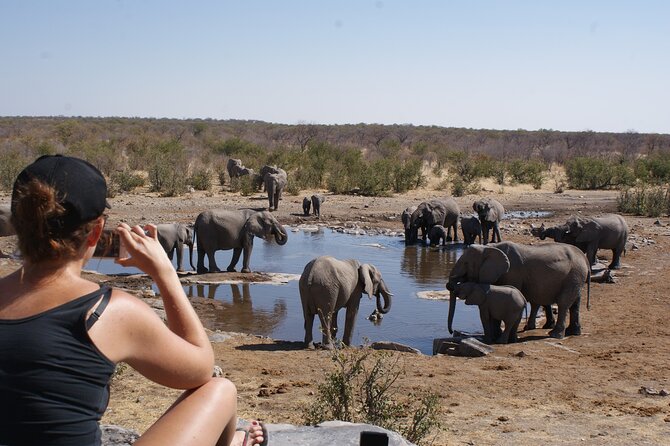
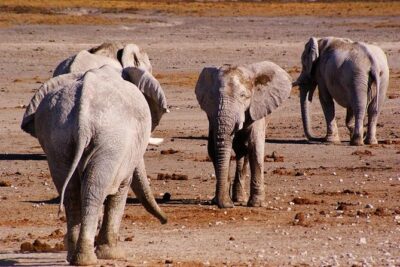
In the evening, you get a big perk: a visit to the floodlit waterhole. This is one of those moments where Namibia feels cinematic. Depending on conditions, you might see rhino, elephant, giraffe, lion, and hyena around the lighted water. Dinner is prepared by your guide over an open fire, so you get both wildlife time and that camp comfort.
Day 3 starts even earlier for a sunrise drive across the Etosha Pan, the 4,500 sq km saline desert locals call the Great White Place. This is a rare chance to see the park not just as “wildlife habitat,” but as a huge living surface where animals time their movements. You also have breakfast at one of the fenced picnic spots in the park, which helps you step out and experience the scale.
You then continue the game drive looking for the Big Four, and the day keeps moving toward Halali and its Moringa Waterhole area, followed by another push back toward Okaukuejo. If you enjoy wildlife as a slow game, these two days are the heart of the safari.
What to consider: Etosha can be hot, and sun exposure is real. Bring a hat you trust, plus sunscreen, and plan to hydrate even when you feel fine.
Day 4: Himba Culture at Otjikandero, Then Palmwag Desert Elephants
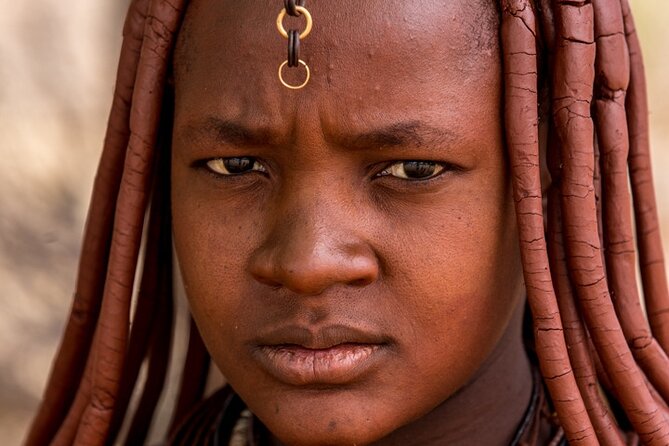
Day 4 blends people and wildlife, and it does it in a respectful way. You leave the park area, and after a short drive you stop in Kamanjab for a guided visit to the Otjikandero Himba Orphan Village.
This is one of the few chances on a Namibia route to learn directly from a community that keeps traditional customs alive. The tour is guided, and you also share a little of your own culture with the group. I like this stop because it is not just a photo opportunity. It is a structured cultural introduction with context.
After that you continue to Palmwag, where you set up camp and have time to watch for desert elephants. Palmwag is a different feel from Etosha. You still hunt for animals, but the setting feels more open and desert-shaped, and the light looks sharper.
Other ways to spend a day in Windhoek
- 6-Day Dunes and Wildlife Accommodated Safari from Windhoek
★ 5.0 · 123 reviews - 9 Day Canyons, Dunes & Wildlife Camping and Lodge Safari
★ 4.5 · 23 reviews - 9 Day Etosha, Skeleton Coast and Sossusvlei Camping and Lodge Safari
★ 5.0 · 21 reviews - From Windhoek: Okapuka Safari Lodge Day Trip
★ 4.4 · 20 reviews
Day 5 and 6 on the Skeleton Coast: Cape Cross, Seals, Shipwrecks, and Swakopmund Reset
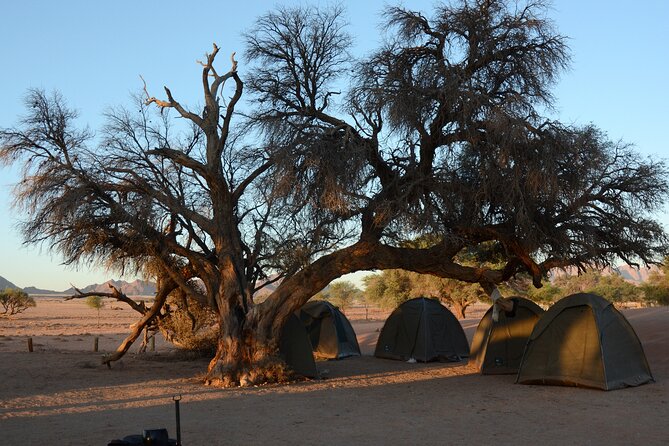
On Day 5 the trip pivots toward the Atlantic. You head through the Skeleton Coast National Park toward Cape Cross. The coastline here is tough and dramatic, tied to thick fog, currents, and rough sea conditions. You will see why shipwreck stories are so common along this stretch.
Cape Cross is mid-afternoon arrival, with camp setup time and an afternoon at leisure. The big payoff is sleeping close to that coastline atmosphere, then starting fresh.
Day 6 starts early. You pack up and go straight to the Cape Cross Seal Reserve, home to one of the world’s largest breeding colonies of Cape fur seals. During breeding season, numbers can reach well into the hundreds of thousands, and even outside peak times it is still a major wildlife concentration. You should be prepared for the smell, too. Seals do seal things.
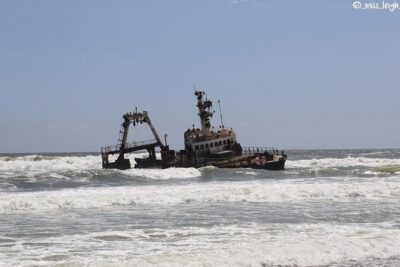
After the seals, you stop at Zeila Shipwreck, one of the more recent victims on the Skeleton Coast, with a history tied to the late 2000s. It is short but memorable, because shipwrecks in this kind of landscape look less like a museum object and more like a warning from nature.
Then you arrive in Swakopmund, giving you a proper town break. Dinner is on your own tonight, which is great because you can choose what fits your budget and appetite. Also, Swakopmund is your optional-activities playground. If you want adrenaline, you can look into options like skydiving or quad biking, and your guide can help with recommendations or bookings based on your plans.
Day 7: Swakopmund Morning Options, Solitaire Stop, and Sesriem Camp Sunset
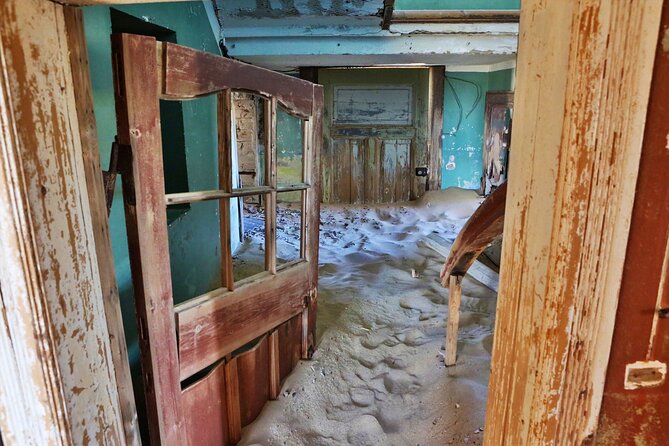
You leave Swakopmund at 11:30, which is a smart time. You either sleep in and have a slower breakfast, or you join an optional activity if you want to make the most of town.
You then drive through the Namib Desert via Kuiseb Pass, crossing the Tropic of Capricorn, with a brief stop in Solitaire for snacks and legs.
In the late afternoon you reach Sesriem. This is a camp base in prime Namib country, and the sunset from here can be stunning. There’s also a pool and bar at camp, which helps with the reality of desert travel, you will want a bit of downtime before the dunes days.
Days 8 to 9: Dune 45 Sunrise, Sossusvlei Walks, Dead Vlei, Sesriem Canyon, and Klein Aus
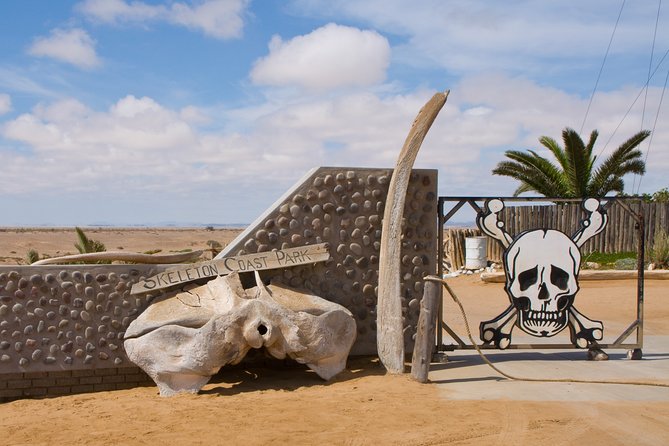
These two days are the “send it” portion of the trip, and I mean that in a good way. You are out early, walking where it matters, and getting the iconic Namib views that most people only see in photos.
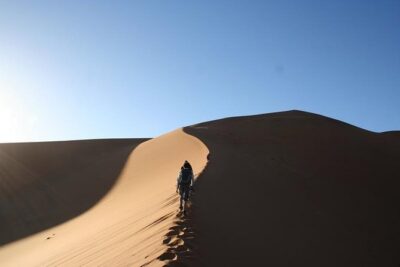
On Day 8 you go pre-dawn to Dune 45. You drive down an ancient river bed, then reach the dune at first light. Climbing to the top is part of the experience, and the sunrise makes the effort worth it. After you descend, you refuel with breakfast.
Next is Sossusvlei, explored on foot. Walking here is how you understand the scale and color changes. You then reach Dead Vlei, known for its pale cracked clay and skeletal camel thorn trees against huge dunes. It is one of those places that feels surreal because everything looks still, but you know the wind has been shaping it for ages.
You return to Sesriem for lunch and a break during the heat. Then you visit Sesriem Canyon later that afternoon. It is shorter than the famous vlei areas, but it gives a good sense of how water carved this desert system over time.
Day 9 shifts south through the Namib Rand Nature Reserve to the Klein Aus area, in the Gondwana Sperrgebiet Rand Park. You arrive late afternoon, set up camp, and have time for short hikes and a relaxed sunset. I like this stop because it slows down the pace after the major dune highlights. You get time to enjoy camp and look for smaller details in the desert.
Day 10: Kolmanskop Ghost Town, Luderitz Color, Diaz Point, and Wild Horses
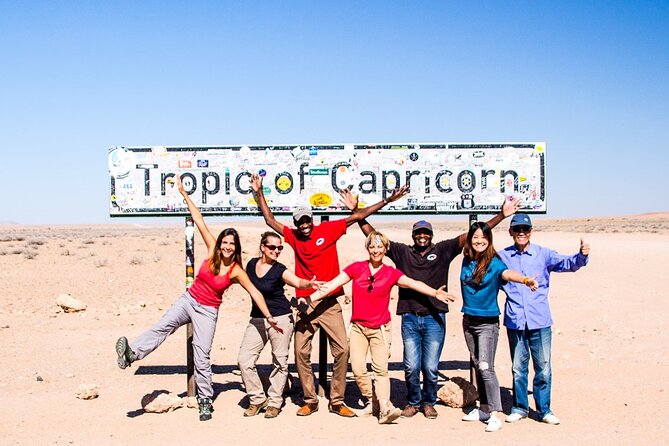
Day 10 starts early and takes you from Klein Aus to Kolmanskop Ghost Town, about 15 km outside Luderitz. Kolmanskop became famous during a diamond boom, and it grew fast. Later, when diamonds ran out, people left, and the town became a haunting reminder of how quickly fortunes shift.
The tour covers the way the town once had amenities like a luxury bowling alley and an early X-ray machine, which is a neat contrast to the harsh desert conditions. Today, it feels like walking through abandoned architecture shaped by sand and sea air.
After Kolmanskop, you head to Luderitz, a rocky Atlantic town with colorful colonial-style buildings. This is where you can get some normal-town energy before the return to the more remote camp area.
You also stop at Dias Point (1488), where the original Diaz Cross is located. Then on the way back to Aus, you watch for the wild horses of the Namib Desert. The reason they survived is still a mystery, but seeing them is a thrill because you know they are adapted to one of the world’s toughest places.
Day 11 and Day 12: Fish River Canyon at Hell’s Bend and the Quiver Tree Forest Finale
Day 11 moves east toward Fish River Canyon. Your first major stop is the Hell’s Bend viewpoint. This is where you can overlook one of the biggest canyons in the world. The viewpoint experience is about scale, not getting to the bottom. It’s a strong day for photos because the light changes and the canyon edges show shape.
After lunch, you continue to the Quiver Tree Forest Rest Camp, just north-east of Keetmanshoop. This area is known for about 250 quiver trees, with some of the oldest estimated around 200 to 300 years old. The quiver tree, also called kokerboom in Afrikaans, is Namibia’s national tree. Your final night happens here, with meals prepared by your guide, and it is a great place to photograph stars if you bring a camera and know your settings. Permits are not included for night photography, so if that is a priority for you, plan accordingly.
Day 12 starts with sunrise time at the quiver trees, then you head back toward Windhoek. You stop in smaller towns like Mariental and Rehoboth along the way, and you have a picnic-style lunch en route. You arrive Windhoek late afternoon and get dropped off at your accommodation. One important note: no flights are recommended on the final day, so plan your travel out carefully.
What You Get for the Price, and Who This Budget-Friendly Safari Is For
At $3,071.21 per person for 12 days, the value comes from a few specific things you do not want to organize yourself in Namibia. You are covered for guided driving through major regions, you get multiple days of wildlife-focused game driving, and your meals are included. The tour also provides camping equipment, but not the sleeping bag, which means you can travel lighter if you pack smart.
The big practical win is the small group size, maximum of 10 travelers. That helps with logistics, and it usually makes it easier to get everyone lined up for drives and viewpoint stops without chaos.
This works best for:
- You want a full highlights loop without juggling car rentals and park routing.
- You enjoy wildlife first, then scenery, then culture.
- You are okay with camping and open-fire meals.
- You prefer a group trip where your guide handles the timing and you focus on the sights.
This might not be the best fit if:
- You hate early starts. This route starts early multiple times.
- You do not want to bring a sleeping bag or handle desert conditions.
Practical Tips That Make This Safari Easier
Bring a sleeping bag. It is listed as not included, so plan for it.
Pack for big sun and cooler early mornings. Desert temperature swings can be real.
Plan your “optional activities” budget in advance for Swakopmund. Dinner there is on your own, and that is your chance to choose.
Keep your camera gear protected from dust. Namibia dust is not subtle.
If you care about star photography, remember permits for night photography are not included.
Should You Book This Namibia Camping Safari?
If your goal is a classic Namibia highlights route, with Etosha wildlife, the Skeleton Coast seals, Sossusvlei dunes, and a strong finish at Fish River Canyon and Quiver Tree Forest, this is a solid choice. It is also one of the more budget-friendly ways to do a route like this because meals and core camping logistics are built in, and you are not paying extra to coordinate transport day by day.
I would book it if you are ready for camping and you like guided structure. I would think twice if you want comfort over camping or you are uncomfortable with early starts. But for the right traveler, it is a great mix of real wildlife, real culture, and very memorable desert and coastal scenes.
FAQ
How long is the 12 Day Classic Namibia Camping Safari?
It runs for about 12 days, with 10 nights camping plus 1 night accommodation.
Where does the tour start, and when do we meet?
You meet at Chameleon Safaris on Ferry Street in Windhoek. The start time is 7:00 am.
Is pickup offered?
Pickup is listed as offered, and the tour starts from the Chameleon Safaris meeting point in Windhoek.
How many travelers are in the group?
The tour has a maximum of 10 travelers.
Is camping gear included, and do I need a sleeping bag?
Camping equipment is included except for sleeping bag. You will need to bring your own sleeping bag.
Are meals included, and are drinks included?
Lunch, dinner, and breakfast are included as listed. Drinks are not included, including mineral water, soft drinks, and alcohol.
What fitness level do I need for this safari?
The tour asks for a moderate physical fitness level.
Can I cancel or change my booking, and should I fly on the last day?
This experience is non-refundable and cannot be changed for any reason. Also, no flights are recommended on Day 12 because the drive back to Windhoek ends late afternoon.
Latest reviews from Windhoek
- Knight Vibes: Bars, Shebeen, Clubs Crawl Windhoek★ 5.0 · 3 reviews
- 10 DAYS BEAUTY OF NAMIBIA | Guided Lodge★ 5.0 · 3 reviews
- Windhoek: Katutura Township Tour with Local Guide★ 3.5 · 3 reviews
- Windhoek: City & Township tour. Vehicle, guide, kapana★ 4.2 · 4 reviews
- Predator Encounter: Half-Day Carnivore Feeding Windhoek★ 4.0 · 5 reviews
- 3 Day Camping tour at Etosha National Park★ 5.0 · 5 reviews
- Airport Transfers★ 5.0 · 5 reviews
- 3 Day Camping safari at Sossusvlei★ 5.0 · 5 reviews
Camping Safaris, compared.
6 Day Sand, Sea & Etosha Budget Camping Safari
Read our review →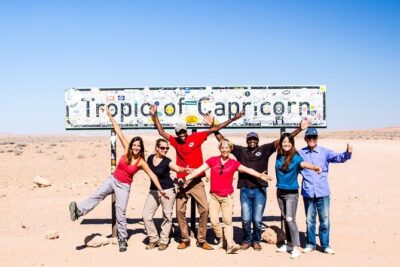
7 Day Southern Namibia and Sossusvlei Camping Safari
Read our review →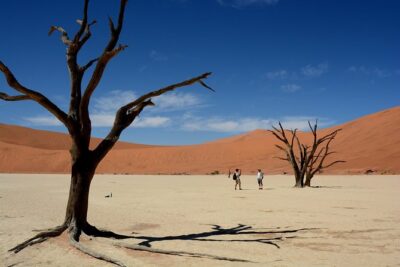
9 Day Canyons, Dunes & Wildlife Camping and Lodge Safari
Read our review →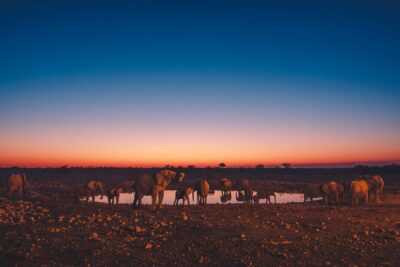
9 Day Etosha, Skeleton Coast and Sossusvlei Camping and Lodge Safari
Read our review →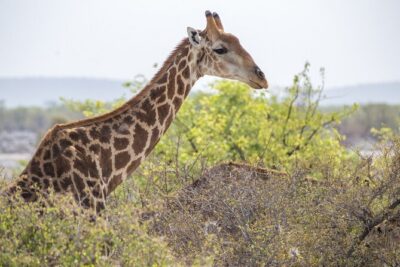
7 Day Northern Namibia and Skeleton Coast Camping Safari
Read our review →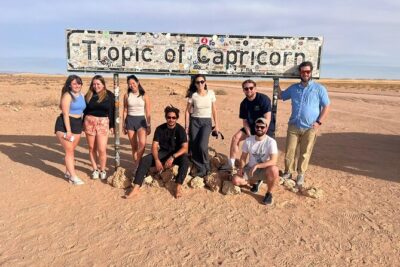
3 Day Sossusvlei Camping Schedule and Sandwich Habor
Read our review →Browse the lists this tour appears in