
Reviewed · HALF-DAY
Predator Encounter: Half-Day Carnivore Feeding Windhoek
Windhoek does big-game on the main roads of your imagination, then gives you a very different option for a morning: a carnivore feeding experience at Naankuse. It is not a distant “maybe you’ll spot something” safari. You get to learn in a controlled, safe setup, while watching animals like cheetahs and leopards show their real agility and strength.
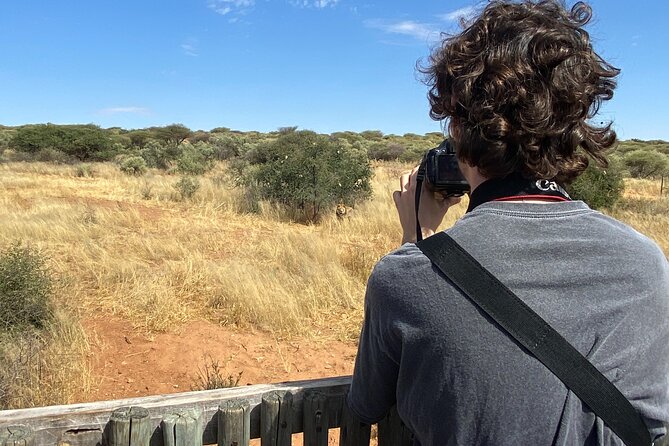
Two things I really like about this experience. First, the guides focus on conservation, including why predators matter and how communities deal with human-wildlife conflict. Second, you get hands-on educational energy, including a chance for great photos while you watch trained guides feed ambassador animals.
One consideration: the marketing photos online may set expectations about how dramatic or “out-in-the-open” the setup looks. The place also deals with ambassador animals that cannot be released, so it is worth confirming what the viewing and feeding area feels like before you go.
Key highlights you should know before you book
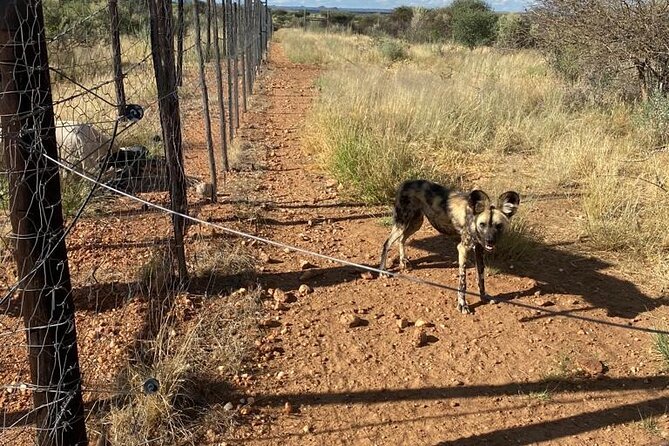
- Ambassador animals you can see up close, including lions, cheetahs, leopards, and wild dogs
- Guide-led feeding designed to be controlled and safe, not a DIY wildlife encounter
- Conservation lessons tied to predator protection and human-wildlife conflict mitigation
- Photo opportunities during feeding, plus additional chances on a scenic reserve drive
- Small group size, with a maximum of 10 travelers, for a less chaotic experience
- A short morning plan that still feels substantial, about 5 hours total
Naankuse near Windhoek: why a half-day carnivore program makes sense
I like tours that respect your time. This one is built around a focused morning, starting at 8:00 am and running about 5 hours total. You are picked up in an air-conditioned vehicle (pickup is offered), then transported to Naankuse Wildlife Sanctuary for the main experience, before returning to the same meeting point at Zoo Park, Park St.
The real value here is how close you get without turning it into a risky stunt. This is a place built for learning and observation. You can expect a tight flow of wildlife viewing, guide explanations, and a bit of extra reserve time afterward.
If you have limited days in Namibia or you are already planning longer drives later, this is a great add-on. It is also a smart option if you want predator knowledge without needing to roll the dice on visibility.
More trips out of Windhoek:
- Windhoek: City and Township Tour
★ 4.8 · 430 reviews - Half-Day Windhoek City and Township Cultural Tour
★ 4.5 · 187 reviews - Windhoek: Bushman Walk with the San
★ 4.9 · 145 reviews
The feeding experience: what you’ll see, and why it feels different
At Naankuse, the main action centers on trained guides feeding carnivores in a controlled environment. You will watch ambassador animals that include lions, cheetahs, leopards, caracals, wild dogs, and also baboons among the visible residents. These are not “background” animals, either. The whole point is to see real behavior up close: the quick bursts of movement, the strength behind the calm, and the instincts that make these species so hard for humans to ignore.
One thing I appreciate is that the feeding moment is not presented as a circus. The guides run it as education, which changes the mood. Instead of staring at animals like they are props, you are learning what you are seeing and why it matters. You also get a chance at some strong photography, since the action is active and you are not waiting for distant silhouettes.
That said, do not assume this will look like every dramatic wildlife video you might have in your head. A key detail from the operator’s side is that the animals are ambassadors, meaning they are unable to be released back into the wild for different reasons. That shifts the meaning of the experience. You are visiting a sanctuary setting built for care, education, and predator awareness.
Ambassador animals and conservation lessons you can actually use
Naankuse positions the animals as ambassadors. In plain terms, that means you may be seeing individuals that cannot return to the wild, so your visit is tied to stewardship and long-term responsibility.
This matters for two reasons. First, it reframes what you are experiencing from entertainment to education. Second, it helps you understand why predators are such a big conservation challenge in Namibia. The tour format includes interactive sessions where wildlife experts cover carnivore biology, habitat basics, and the role of community-based conservation initiatives.
Even if conservation talk is not your favorite thing at home, you will likely find it useful here. Predators sit at the center of human-wildlife conflict, often because they share space with livestock and people. Understanding that pressure makes it easier to see why sanctuaries and ambassador programs exist in the first place. They are not a replacement for wild ecosystems, but they can serve as a bridge between people and predators.
If you are the kind of traveler who likes to leave a place with a few concepts you can explain later, you’ll probably enjoy this part. The best moments often come when the guide connects animal behavior to real-world conservation pressure.
Lions, cheetahs, leopards, wild dogs: what to watch for during feeding
You will have a chance to see multiple species during the visit. That is a plus, because each carnivore shows different habits, even when the setting is controlled.
Here is how I would approach watching them.
For cheetahs, pay attention to posture and the way they scan. Cheetahs are built for speed, but the behavior you notice right before movement can be just as interesting as the sprint itself. You might also spot how quickly they react to cues in the environment.
For leopards, the focus is usually on stealth and control. You may notice how they approach and how their bodies look when they settle. Even without a long hunt, leopards communicate a lot through movement and pause timing.
For lions, watch for the difference between interest and full-on engagement. Lions can look relaxed, then shift attention fast. Their social behavior also helps you understand why they are such powerful symbols in African conservation stories.
For wild dogs, look for energy and coordination. Wild dogs are known for their pack dynamics, so the guide’s explanations can help you connect what you see to how these animals function in groups.
For caracals, the key is their athletic, alert style. They tend to feel like they belong in a place where quick changes matter.
The practical takeaway: do not just point your camera. Listen to what the guide is highlighting, because the tour is built around interpretation, not only spectacle.
Same stretch of Windhoek, a different pace:
- 6-Day Dunes and Wildlife Accommodated Safari from Windhoek
★ 5.0 · 123 reviews - Windhoek City Tour
★ 5.0 · 113 reviews - 10-Day Namibia Highlights Guided Tour from Windhoek
★ 5.0 · 78 reviews - 12 Day Classic Namibia Camping Safari
★ 5.0 · 77 reviews
The scenic drive after feeding: your bonus wildlife window
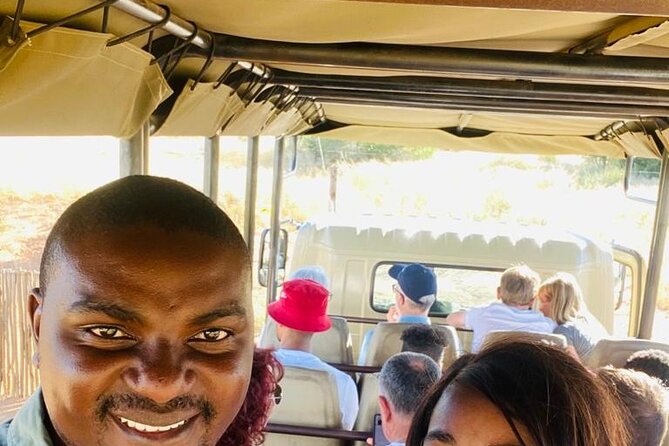
After the main feeding time, you get a scenic drive on the reserve. This is not presented as a guarantee of a long list of rare sightings. It is more like a bonus wildlife chance, when the landscape and timing can help you see extra animals beyond the feeding lineup.
This second phase is valuable because it stretches your morning. You get to shift from very close observation at the sanctuary to wider context as you travel through the reserve environment. If you are photographing, the light can also change over the course of the drive, which may help your images.
The best way to handle this part is to treat it as flexible. Go with the flow. If you get extra sightings, great. If you mostly get scenery and a few common animals, you will still have the main highlight already in your pocket.
Price and value: what $170.92 buys you in Windhoek
At $170.92 per person, this is not the cheapest half-day option around Windhoek. So you should ask what you are paying for, beyond the word feeding.
You are paying for three main things:
- A guided, controlled feeding setup with time built for learning and photos
- Conservation-focused explanations from wildlife experts, not just a narration of animal facts
- A sanctuary setting centered on ambassador animals and education, plus a scenic drive afterward
You are also paying for small-group attention. The group size is capped at 10 travelers, which usually helps the experience feel calmer and easier to follow. When groups get too large, guides either rush the explanations or you spend half your time waiting to see past shoulders. Here, that pressure is reduced.
There is also a subtle value in timing. The half-day format gives you a serious wildlife experience without eating your whole day. If your Namibia itinerary is tight, that trade can be worth more than it looks on the price tag.
Logistics that matter: meeting point, vehicle, and how the morning runs
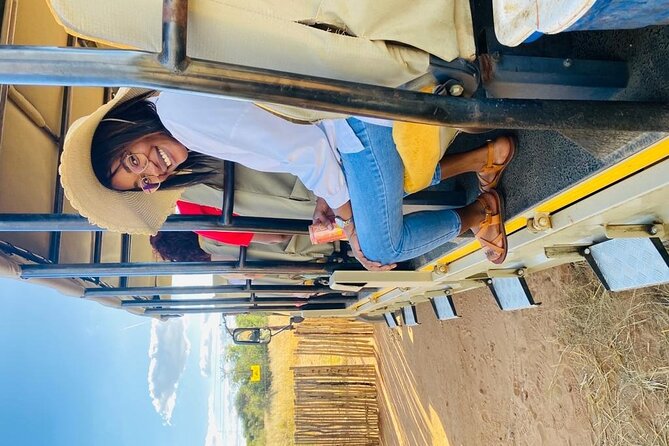
The tour starts at 8:00 am at Zoo Park, Park St, Windhoek. It returns you back to the same meeting point. If you want this to fit smoothly into the rest of your trip, that round-trip matters.
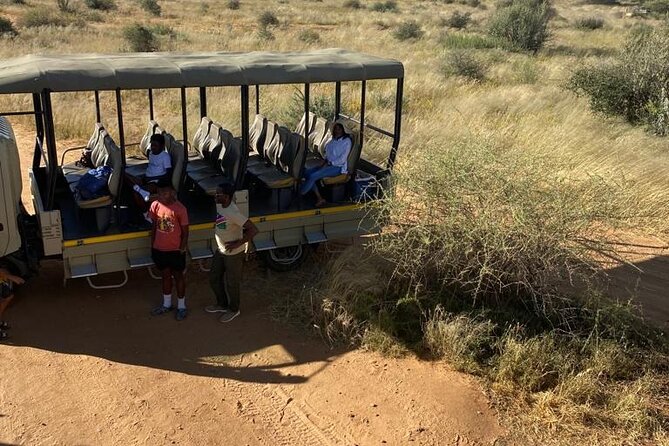
Transport is included via an air-conditioned vehicle, and pickup is offered. You will also get a mobile ticket, which makes things simpler if you are already juggling digital bookings.
The total experience length is about 5 hours, so plan your day around it. If you have a late lunch or an afternoon activity, you may want to schedule it after you are back in town.
Also, the tour is listed for travelers with moderate physical fitness. That does not mean it is a hike. It just means you should be comfortable with some time on your feet, moving between viewing areas, and keeping up with the pace of a guided program.
My honest take on the big “expectation gap” risk
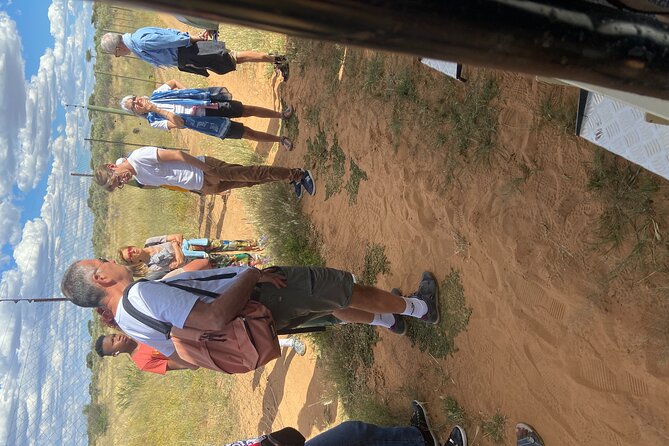
Here’s the part you should not ignore. One concern that comes up with this kind of experience is the mismatch between what a photo implies and what you actually experience on the ground. In one case, the complaint was that the advertising imagery made the setup look different, including the idea of a more dramatic viewing angle.
The operator response claims that no images were altered or misrepresented, and they also addressed a separate concern about guide conduct, stating the guide was not under the influence of alcohol during the activity.
You cannot remove all marketing risk, but you can manage it. Before you pay and plan your morning, I suggest you verify two things with the provider or your booking channel:
1) what the viewing and feeding area looks like in practice (how open it feels, where you stand, how close you get)
2) what animals you are realistically likely to see during your specific session
That one step will protect you from disappointment and keep the focus where it belongs, on wildlife and learning.
Practical tips for getting the most out of your carnivore morning
I love getting photos, but I love getting them while also understanding what I am photographing. A few practical habits help here.
First, bring a camera setting you can use quickly. Feeding moments move fast. You do not want to be fiddling with modes while the action is happening.
Second, wear closed-toe shoes and dress for the morning. Sanctuaries can be sunny, and you may be standing longer than you expect while a guide explains the animals’ stories.
Third, take the conservation talk seriously, at least enough to ask a question if something confuses you. The best “aha” moments often come when you connect behavior to habitat and conflict.
Fourth, listen to the guide about where to stand and when to move. Controlled feeding still has rules. Your best souvenir is not a risky moment, it is a safe and respectful encounter.
Who this Naankuse carnivore feeding tour is best for
This tour is a strong fit if you want:
- a close-up predator experience in a short time window
- a blend of animal viewing and conservation learning
- a smaller group format that feels manageable
- a memorable photography session without waiting for a distant safari spot
It may be less ideal if you only enjoy “wilder than wild” experiences and you want animals fully free in the landscape. This is an ambassador animal sanctuary program. That is not a flaw, it is just a different purpose.
Should you book the half-day Carnivore Feeding near Windhoek?
I would book it if you are craving predator content you can understand, not just pictures you hope to get. The combination of controlled feeding, guide interpretation, and a small group makes it a good value use of a morning in and around Windhoek.
I would hold back or ask extra questions first if your main goal is a specific style of “out in the open” spectacle that you saw in promotional images. Because the animals are ambassadors and the setup is designed for safety and education, it may not match the vibe you expect.
If you want a morning that feels both real and thoughtfully managed, this is a solid choice. Just go in with the right mindset: you are visiting a conservation program where learning and responsible viewing come first.
FAQ
Where is the meeting point for this half-day tour?
The tour starts at Zoo Park, Park St, Windhoek, Namibia (C3MP+432) at 8:00 am.
How long does the experience last?
It runs for about 5 hours total.
What is included in the price?
An air-conditioned vehicle is included. You also receive an admission ticket as part of the Naankuse visit. Pickup is offered.
What is not included?
Alcoholic beverages are not included.
What mobile and ticket options are available?
The tour uses a mobile ticket, and you receive confirmation at the time of booking.
How many people are in a group?
The tour has a maximum of 10 travelers.
What animals can you expect to see?
You may see baboons, caracals, lions, cheetahs, wild dogs, and leopards.
What happens if the weather is poor?
This experience requires good weather. If it is canceled due to poor weather, you will be offered a different date or a full refund.
What is the cancellation policy?
You can cancel for a full refund up to 24 hours before the experience starts. If you cancel less than 24 hours before, the amount you paid will not be refunded.
Latest reviews from Windhoek
- Knight Vibes: Bars, Shebeen, Clubs Crawl Windhoek★ 5.0 · 3 reviews
- 10 DAYS BEAUTY OF NAMIBIA | Guided Lodge★ 5.0 · 3 reviews
- Windhoek: Katutura Township Tour with Local Guide★ 3.5 · 3 reviews
- Windhoek: City & Township tour. Vehicle, guide, kapana★ 4.2 · 4 reviews
- 3 Day Camping tour at Etosha National Park★ 5.0 · 5 reviews
- Airport Transfers★ 5.0 · 5 reviews
- 3 Day Camping safari at Sossusvlei★ 5.0 · 5 reviews
- Discover the Routes of N/a’an ku sê.★ 4.0 · 6 reviews
Half-Day, compared.
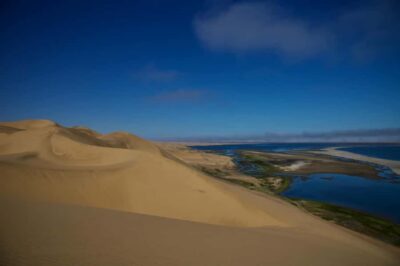
Sandwich Harbour Half-Day 4×4 Scenic Excursion
Read our review →
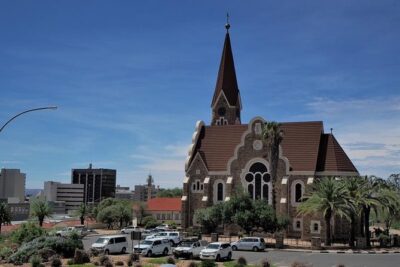
Half-Day Windhoek City and Township Cultural Tour
Read our review →
Etosha National Park: Full or Half-Day Game Drive
Read our review →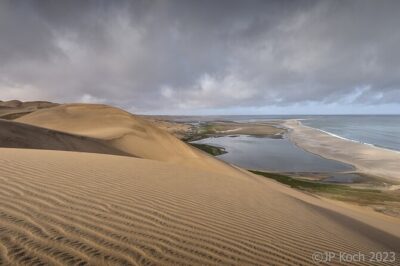
Sandwich Harbour Half-Day 4×4 Tour (5 hours) from Walvis Bay
Read our review →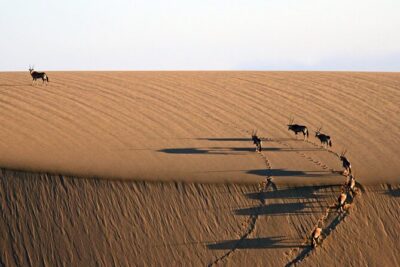
Half-Day Sandwich Harbour Tour from Walvis Bay with Lunch
Read our review →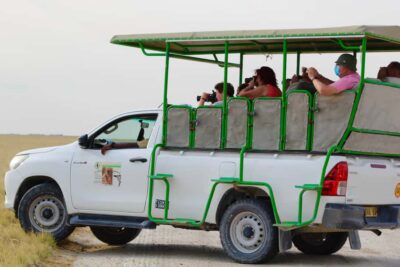
Etosha National Park: Full or Half-Day Game Drive
Read our review →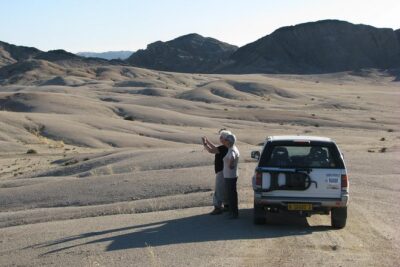
NAMIB DESERT TOURS, Full-Day and Half-Day Tours from Swakopmund, Namibia
Read our review →Browse the lists this tour appears in