
Reviewed · WINDHOEK TOURS
Discover the Routes of N/a’an ku sê.
Naankuse is interesting because it mixes a close-up predator encounter with a clear conservation mission. You get a guided drive inside the reserve and a real look at rescued cats and dogs living as ambassador animals, including lions, cheetahs, and African wild dogs.
I especially like the small-group feel and the chance for photography opportunities at different moments during the drive and feeding time. The main consideration is simple: you are watching wild animals at a sanctuary, so safety limits how close you can get, especially if you are hoping for extreme close-ups.
If you come with the right expectations, this is a memorable half-day in Namibia. If you come expecting zoo-style proximity or bar-level photo access, it can feel like a disappointment because the focus is safe viewing rather than crowding the enclosures.
Key highlights to know before you go
- Small group experience with a maximum of three people for a more personal outing
- 3 hours at Naankuse Wildlife Sanctuary with admission included
- A drive with your guide to spot animals roaming on the reserve
- Feeding time led by guides, with behavior and habitat context
- Ambassador animals education on how the sanctuary protects animals that cannot return to the wild
- Great photo moments throughout the tour, with realistic limits on closeness for safety
Naankuse Wildlife Sanctuary: apex predators with a conservation mission
This experience takes place at N/a’an ku sê, in the Naankuse Wildlife Sanctuary area near Windhoek. The big appeal is the combination of adrenaline and purpose. You are not just passing time looking at big animals, you’re learning why these specific animals ended up here in the first place.
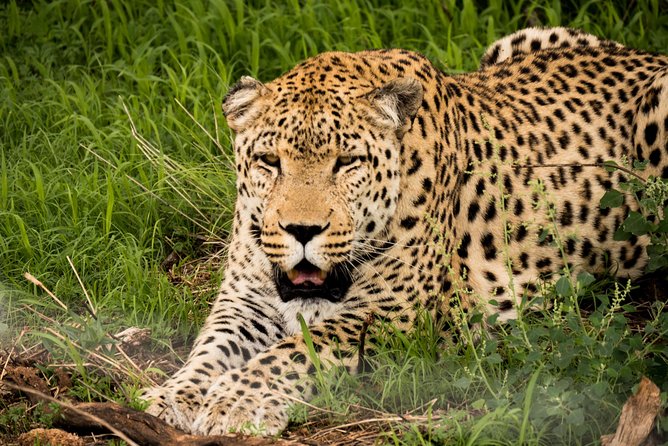
The sanctuary focuses on animals rescued from the risky world of dangerous pet ownership. That changes the tone of the visit. When you hear how lions, cheetahs, wild dogs, hyenas, and leopards behave in a proper reserve setting, the tour starts to feel more like understanding than staring.
You’ll also notice the practical side of conservation. Some animals cannot be released back into the wild, so they become ambassadors instead. This tour is built around that concept, so you leave with more context than a standard animal viewing stop.
More trips out of Windhoek:
- Windhoek: City and Township Tour
★ 4.8 · 430 reviews - Half-Day Windhoek City and Township Cultural Tour
★ 4.5 · 187 reviews - Windhoek: Bushman Walk with the San
★ 4.9 · 145 reviews
Timing, pickup, and how the 5-hour plan fits together
The tour starts at 1:30 pm and runs about 5 hours total. The heart of the day is the sanctuary visit, which lasts around 3 hours, so you get a meaningful block of time for the drive and feeding.
Pickup is offered, and you’ll have a mobile ticket. That matters because it reduces the friction of coordinating transport in Namibia, where getting from point A to point B can take longer than you expect.
You’ll also want to plan around the group size. The experience is marketed as having a maximum of three people for a more personal experience, but the overall cap is listed as 13 travelers. Either way, you are less likely to feel swallowed by a massive crowd, which helps with both viewing and photography.
Finally, the experience requires good weather. That is not a small detail. If visibility drops or conditions are rough, animal spotting and comfort during the drive can be affected, so it’s smart to keep your afternoon flexible in terms of expectations.
Your 3-hour sanctuary visit: drive, feeding, and close observation
This tour’s itinerary centers on a single main stop: Naankuse Wildlife Sanctuary. Expect to spend the bulk of your time here, on a guided drive that looks for wildlife throughout the reserve.
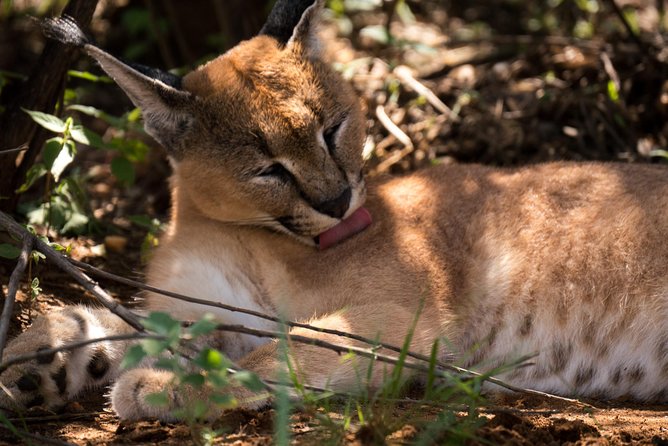
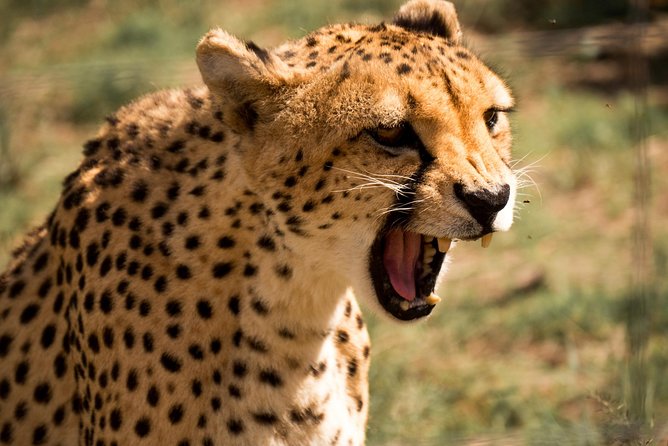
During this drive, you can encounter a range of animals, including baboons, caracals, lions, cheetahs, African wild dogs, and leopards. The tour is structured so that you are not just looking at animals from one angle. You are moving, and your guide is helping you spot what’s actually out there.
Then comes the part that tends to stick with people: feeding sessions led by the guides. Feeding time isn’t only about spectacle. It is also a live lesson in behavior and habitat. You’ll be listening for cues like how animals react to movement, sound, and distance, and that helps you understand what you’re seeing.
A practical note: if your ideal photo is tight, super close, and bar-level, recalibrate. Safety limits how near you can get to enclosures. The point here is safe viewing of wild and rescued animals, not pushing for extreme proximity.
Ambassador animals at N/a’an ku sê: why rescued predators live differently
The phrase ambassador animals can sound like a marketing label, but the tour gives it real meaning. Here, ambassador animals are animals that the sanctuary protects because they cannot be released back into the wild.
That matters because it changes what “being close” means. You aren’t trying to force a predator into natural wild behavior for your benefit. Instead, you are learning how the sanctuary keeps them safe while still allowing them to live in a reserve environment that supports their needs as much as possible.
You’ll also hear how the park protects animals when they cannot safely go back to the wild. That often includes managing risk for both the animals and people, plus providing an environment that works for each species. The tour’s guide-led explanations during the drive and feeding help connect the conservation story to the animals you’re seeing right now.
This is where the experience becomes more than an animal checklist. When you understand why an animal is here, you start paying attention to behavior in a more respectful way.
Same stretch of Windhoek, a different pace:
- 6-Day Dunes and Wildlife Accommodated Safari from Windhoek
★ 5.0 · 123 reviews - Windhoek City Tour
★ 5.0 · 113 reviews - 10-Day Namibia Highlights Guided Tour from Windhoek
★ 5.0 · 78 reviews - 12 Day Classic Namibia Camping Safari
★ 5.0 · 77 reviews
Photography expectations: great shots, but plan for safety limits
You can count on photography opportunities throughout the tour. The drive gives you changing viewpoints, and feeding time typically provides better chances to capture action and clearer expressions than random still moments.
Still, here’s the most important expectation to manage: you are not getting unlimited close-up access. The animals are wild and dangerous, and you will not be able to enter enclosures or get unnaturally close for photos. In some viewing setups, that means you might be restricted from the exact type of close-range shots you had in mind.
If you care about photography, bring realistic expectations and a strategy:
- Keep your expectations aligned with safe viewing distance.
- Use zoom if you have it, rather than planning to physically close the gap.
- Aim for moments when the animal is moving or responding to feeding cues, because that’s often when the best frames happen.
This is one reason the experience can frustrate people who expect zoo-level proximity. The sanctuary is prioritizing safety first, and your camera plan should follow that lead.
The animal roster you’re most likely to encounter
The sanctuary drive and feeding time set you up for a wide range of sightings. The experience information specifically calls out animals you may encounter such as baboons, caracals, lions, cheetahs, African wild dogs, and leopards.
That list matters because it includes both big cats and high-energy predators. It also includes species that often get overlooked on standard safaris. African wild dogs, for example, can be a dream sighting for many visitors, and having a setting where you can focus on behavior with a guide is a helpful way to make sense of them.
You may also spot other animals roaming in the reserve during the drive. That element is part of the fun. A guided route increases your odds because the guide is actively looking and interpreting signs, but there is always some unpredictability when animals are not staged.
If your priority is seeing a specific species, don’t treat the tour like a guaranteed checklist. Treat it like a well-managed chance to observe, learn, and photograph responsibly.
What the guide adds to the drive (and how to get more from it)
The best part of this kind of sanctuary visit is how much the guide explains. This experience includes guide-led feeding sessions and behavior and habitat lessons. That transforms your observations from random viewing into something you can interpret.
You’ll get the most out of the tour if you ask simple questions during transitions between sightings. I like asking things like what behavior signals the animals are relaxed versus alert, or why certain enclosures or areas tend to hold certain animals.
Also pay attention to timing. Feeding time is not just a moment. It’s often the point when behavior becomes most visible and understandable. The guide’s cues help you look in the right direction at the right time.
Feedback tied to the driving and guide approach has also been positive, with people praising the driver as accommodating and helpful. That kind of guide style matters more than you’d think. It affects where you focus and how calmly you move through the experience.
Price and value from Windhoek: is $136.71 worth it?
The price is $136.71 per person for this roughly five-hour experience. That number is only useful if you compare it to what you get.
Here’s the value math that makes sense:
- You get about 3 hours inside the sanctuary with admission included.
- Pickup is offered, which saves time and helps you avoid transport headaches.
- You are not in a massive crowd, with the experience described as up to three people for a more personal outing.
- The tour includes feeding sessions and guide-led education, which you would normally have to pay for separately in many setups.
So, you’re paying for more than access to animals. You’re paying for structured time, transportation support, and interpretation that helps you see what’s happening rather than just pass through.
If you are on a tight schedule in Windhoek, this is also a practical way to add a high-impact animal experience without burning an entire day. Five hours is short enough to fit into a busy itinerary, especially if you’re already planning other Namibia activities.
Who should book this tour, and who might skip it
This tour is a strong fit if you want a close, guided experience with rescued predators and you like learning while you look. If you care about conservation and appreciate the idea of ambassador animals, you will likely enjoy the tone and pacing.
It also works well if you want better odds of meaningful viewing than a slow, self-driven stop. A guide helps you spot what you would otherwise miss, and the feeding session adds a natural focal point to the experience.
Skip or rethink if you are mainly chasing extreme close-up photography. The sanctuary is about safe viewing. If you want bar-level shots or the ability to get too near enclosures for dramatic portraits, this is not the right expectation to carry into Naankuse.
Should you book Discover the Routes of N/a’an ku sê?
I’d book it if you want a well-run, guided predator experience near Windhoek that also teaches you why this sanctuary exists. The ambassador animal focus is the big differentiator, and the feeding sessions give you real content, not just animal sightings.
I’d hesitate only if your expectations are centered on getting very close to animals for photos. Safety and enclosure distance are part of the deal here, and the experience will not change its rules just because you want a specific shot.
If you’re flexible, come with a camera strategy that assumes safe distance, and plan for good weather, this half-day can be one of the most memorable conservation-first experiences in the Windhoek area.
FAQ
How long is the Naankuse Wildlife Sanctuary tour?
The experience runs for about 5 hours, with around 3 hours spent at Naankuse Wildlife Sanctuary.
What time does the tour start?
The start time is 1:30 pm.
Is pickup included?
Pickup is offered.
What’s included in the ticket?
Admission to Naankuse Wildlife Sanctuary is included, and the experience uses a mobile ticket.
How many people are on the experience?
It lists a maximum of three people for a more personal experience, and a maximum of 13 travelers for the overall activity.
What happens if the weather is poor?
The experience requires good weather. If it is canceled due to poor weather, you will be offered a different date or a full refund. You can also cancel for a full refund if you cancel at least 24 hours before the experience start time.
Latest reviews from Windhoek
- Knight Vibes: Bars, Shebeen, Clubs Crawl Windhoek★ 5.0 · 3 reviews
- 10 DAYS BEAUTY OF NAMIBIA | Guided Lodge★ 5.0 · 3 reviews
- Windhoek: Katutura Township Tour with Local Guide★ 3.5 · 3 reviews
- Windhoek: City & Township tour. Vehicle, guide, kapana★ 4.2 · 4 reviews
- Predator Encounter: Half-Day Carnivore Feeding Windhoek★ 4.0 · 5 reviews
- Airport Transfers★ 5.0 · 5 reviews
- 3 Day Camping tour at Etosha National Park★ 5.0 · 5 reviews
- 3 Day Camping safari at Sossusvlei★ 5.0 · 5 reviews
Windhoek Tours, compared.
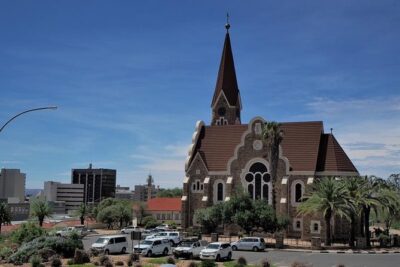
Half-Day Windhoek City and Township Cultural Tour
Read our review →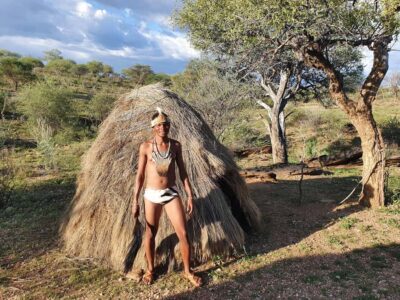
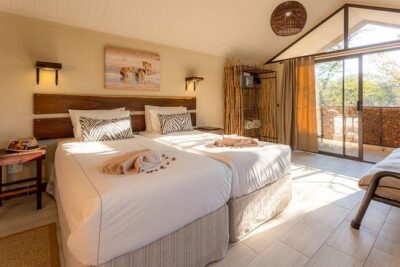
6-Day Dunes and Wildlife Accommodated Safari from Windhoek
Read our review →
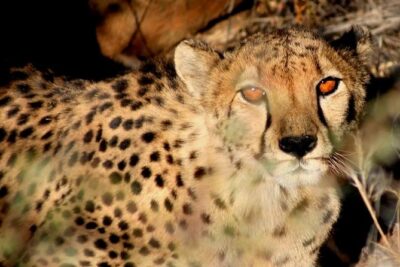
10-Day Namibia Highlights Guided Tour from Windhoek
Read our review →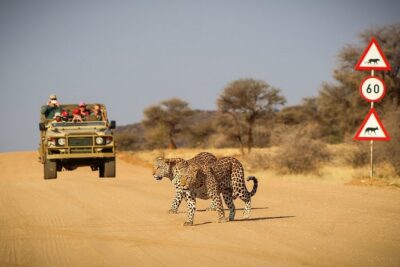
Browse the lists this tour appears in