

Reviewed · TOWNSHIP TOURS
Swakopmund:Mondesa Cultural Township Tour
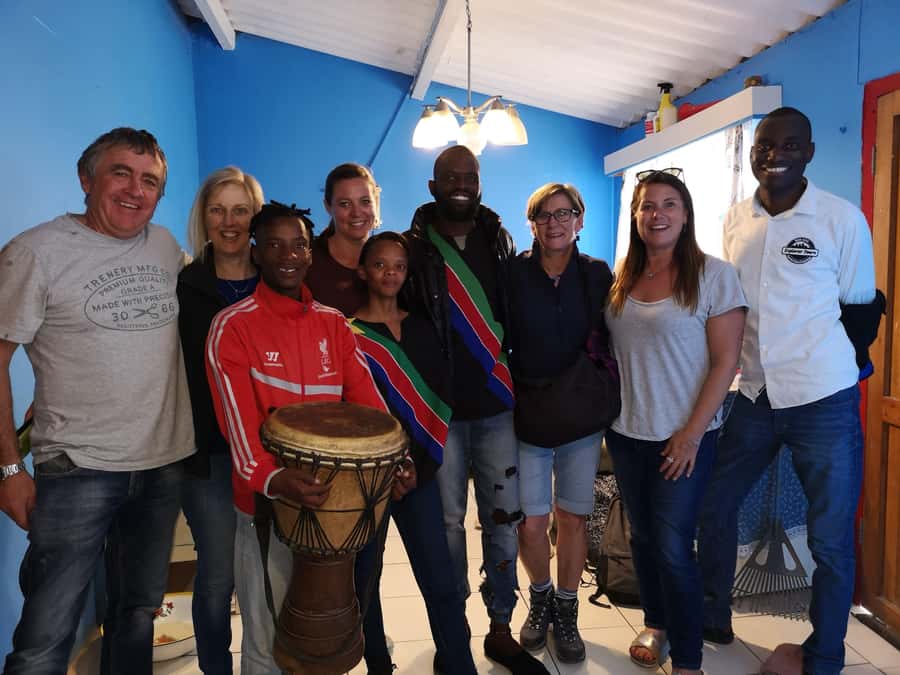
Mondesa in Swakopmund is one of those places where you learn fast, not in a classroom way, but through real conversations and daily life. I really like how this tour pairs a local community walk with a live Acapela performance, so culture feels shared, not staged. You also get a sit-down meal with traditional food at a family home, which is often the part that stays with me.
The main drawback is practical: you are moving around the township for about 3 hours, so you’ll want comfortable shoes and you should skip it if you have a back issue or are pregnant.
Key highlights at a glance
- Hotel pickup right away so you lose less time and stress getting started.
- OB Street community walk with chances to chat and see typical homes and schools.
- Small home craft market featuring work by different artists.
- DRC housing projects and resettlement context explained through the Swakopmund Municipality’s efforts.
- Nama herbalist visit plus Herero culture discussion (Herero dress talk on afternoon and weekend tours).
- Shebeen drinks and township food at a local family home, including dishes like mopane worms and millet porridge.
First minutes in Mondesa: pickup, momentum, and getting your bearings
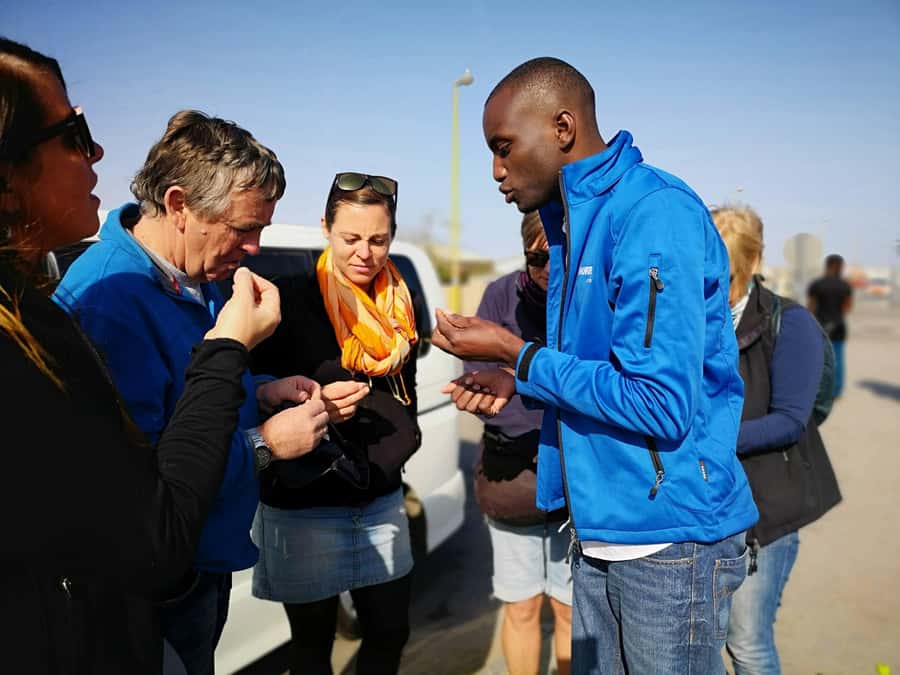
This is a half-day feeling tour without the half-day commitment. You get picked up straight from your hotel accommodation, then you drive out toward Mondesa Township with a private guide. The early start matters because it helps you arrive with daylight and energy, and it keeps the tour smooth and not rushed.
On the way, you’ll get a brief history of the area. That quick setup helps once you’re on the ground, because OB Street and the houses make much more sense when you know what the community has been through.
You’ll also have an audio guide included in English and German. If you like to follow along at your own pace, it’s a nice safety net when conversations get fast or you want to re-check a detail.
Other township visits in Namibia:
- Swakopmund: Mondesa Township Day Tour Experience
★ 3.8 · 25 reviews - Swakopmund Best Cultural Historical Township Tours Namibia
★ 5.0 · 8 reviews - Explorer Historical Private Township Cultural Tours
★ 4.0 · 6 reviews
The OB Street stroll: real conversation, not a checklist
Once you reach OB Street, the tour shifts from driving to walking. This is where you get a clear look at what a typical Namibian township feels like day to day: the arrangement of homes, the presence of schools, and the everyday rhythm of the street.
What I like most here is the chat component. Instead of only looking, you have the opportunity to talk to local residents, ask questions, and learn what people feel is important. That kind of back-and-forth is the difference between seeing a place and understanding it.
One practical note: this part is best with patience. You might stop, listen, and then move again at a local pace. If you want a strict “see 10 things in 60 minutes” style tour, this is probably not that.
A small craft market stop: where your money turns into stories

Next comes a small home craft market. You’ll find different artists’ crafts, which means you’re not just buying a souvenir shaped like a memory, you’re supporting specific makers in the community.
This is also a good moment to slow down. Ask questions about what you’re seeing, how the crafts are made, and what people use them for. Even if you do not plan to buy much, browsing with respect is part of how these stops work.
If you like taking photos, do it with care. When you’re inside a home setting and around local makers, keep your camera use thoughtful, and pause if someone looks uncomfortable.
DRC resettlement area: housing projects explained in human terms
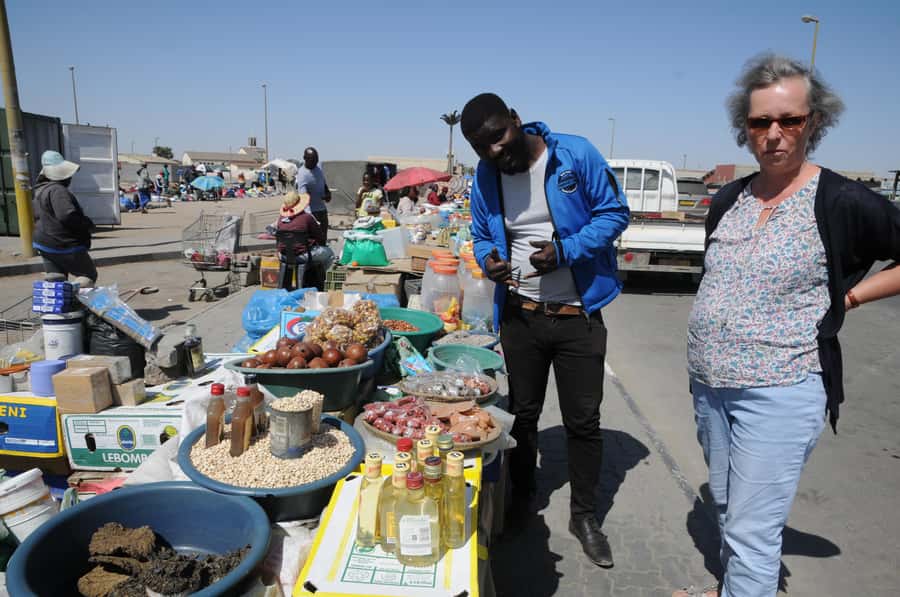
The tour then drives through DRC, the Democratic Resettlement Community. This is where the context gets more serious, because you’ll learn about housing projects and how the Swakopmund Municipality is improving the area.
This kind of stop is valuable because it connects the community you’re walking through to the larger systems around it, planning and housing included. It also helps you avoid the common trap of treating a township as a single story.
I find this section especially helpful if you want to understand Namibia as it is now, not just as a postcard. You’ll still be moving through the area, but the guide is giving you meaning behind what you see.
More trips out of Swakopmund:
- Walvis Bay: Marine Big 5 Luxury Catamaran Tour
★ 4.8 · 1,012 reviews - Swakopmund: Desert Dunes Quad Biking with Optional Sandboard
★ 4.9 · 590 reviews - Walvis Bay and Sandwich Harbour Tour
★ 4.8 · 483 reviews - Scenic Sandwich Harbour Tour
★ 5.0 · 277 reviews
Nama herbalist visit and Herero culture dress talk (when offered)
A traditional Nama herbalist visit is next. This is tied to Nama culture and herbal medicines, so expect explanations that go beyond the “this plant is used for this” basics. It’s a cultural knowledge stop, and it’s one of the ways you’ll see that healing and natural remedies can be part of everyday tradition.
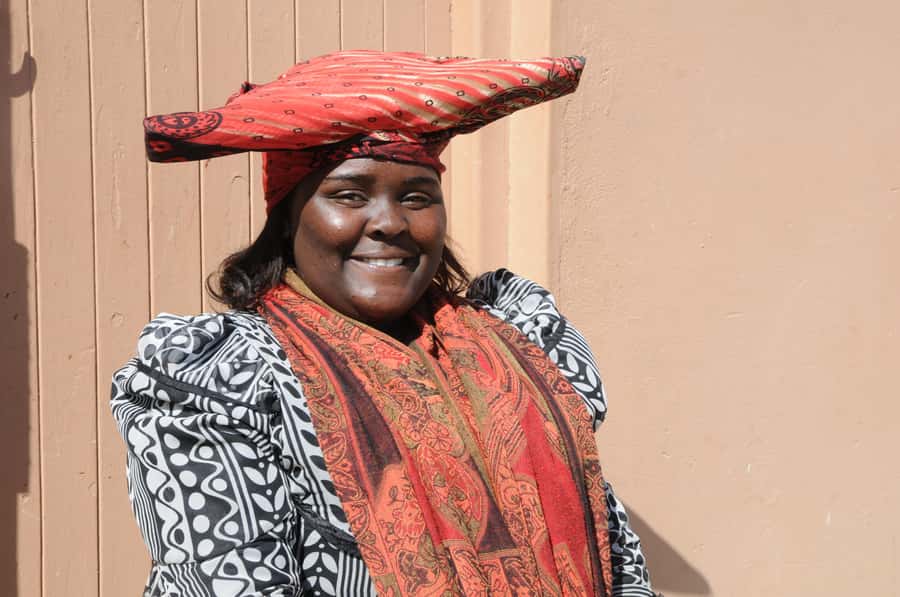
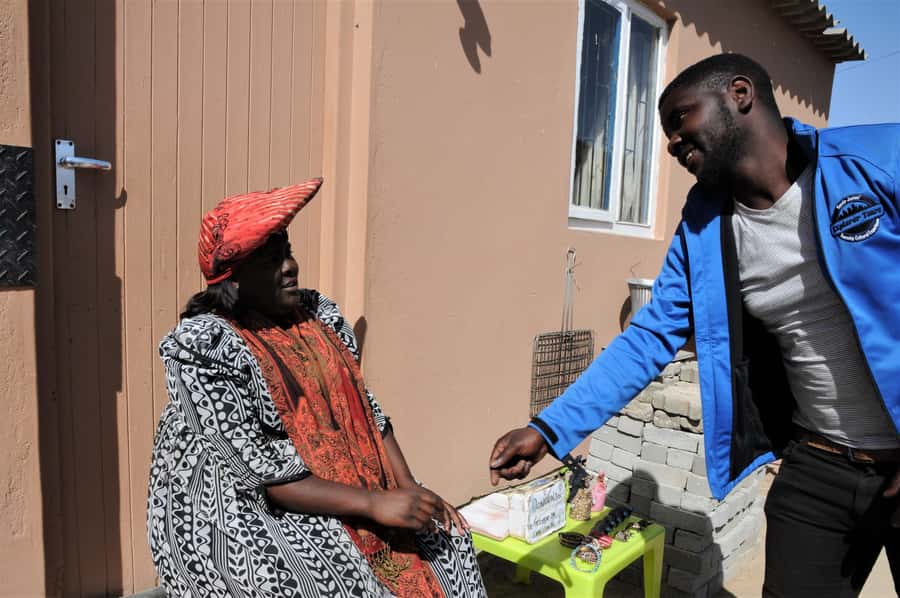
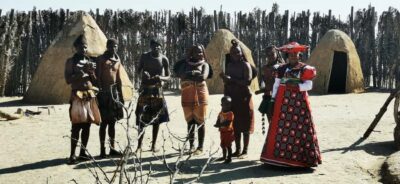
Then, on afternoon and weekend tours, there’s an additional stop to visit a Herero culture with a Herero lady who discusses her dress and Herero culture. If your dates match those time slots, this is a great bonus because it gives you a more visual, personal angle on identity.
If you’re traveling during a weekday morning slot and the Herero lady stop is not included, don’t panic. The tour already covers a strong mix of community life, crafts, herbal knowledge, and local food. Think of the Herero dress talk as a bonus when your timing fits.
Shebeen time: a quick taste of social life and local flavors
After the culture stops, you’ll enjoy drinks at a Shebeen, an African bar. This is not just a break. It’s a social window, a chance to see how people gather and unwind in the township context.
The tour keeps this part manageable because you still have the meal coming up. But the Shebeen stop helps the day feel connected, not segmented into “education hours” and “food hours.”
If you don’t drink alcohol, you can still treat it as a social pause. Just be clear about what you want, and follow your guide’s lead.
Also remember the rules: smoking and pets are not allowed, and luggage or large bags are not allowed. Plan light, so you can move easily.
Township lunch or dinner at a family home: the food you came for

This is the heart of the experience: a local traditional meal at a family home. The tour includes a traditional lunch or dinner, and the menu is built around dishes you may not find in tourist-focused settings.
Here’s what you might be served:
- Ondjuhwa (bbq chicken)
- Omagungu (mopane worms)
- Mahangu porridge (millet)
- Omakunde (beans)
- Oofukwa (ground nuts)
- Onyandi, Oombe, and Ondunga (wild fruits and berries)
I love that the meal comes with context, because it turns food into story. Instead of just tasting unfamiliar dishes, you learn what they are and why they fit the local diet.
Some items, like mopane worms, can feel unusual at first. If you’re hesitant, your guide can help you navigate the first bites. And if you love adventurous eating, this stop is where the tour really pays off.
Tip for your comfort: bring sunglasses, sunscreen, and wear that sun hat. You’ll spend time outside in the sun, and eating well in heat is easier when you’re not wiped out beforehand.
Live Acapela performance: why this moment matters

One of the most praised parts is the live Acapela performance. Even if you’re not a music person, this is the kind of stop that makes the tour feel alive in a way you can’t replicate by reading about a place later.
The tone is different here because the performance is not just “entertainment for visitors.” It’s part of the community atmosphere, and it tends to create a shared moment where people relax and connect.
If you think you might miss it because you’ll be focused on photos, don’t. Pay attention first. Let the sound do its job, then take pictures sparingly.
Price and value: why $80 for 3 hours can make sense
The price is listed at $80 per person for about 3 hours, with transport included. For a private group, that matters. You are not just paying for a driver and a route. You’re paying for a guide who can explain Mondesa, plus guided stops like the craft market, the herbalist visit, and the meal at a family home.
You’re also getting practical add-ons:
- Local traditional lunch
- Transport
- Live tour guide in English and German
- Audio guide in English and German
When you factor in the meal, the visits, and the private time, the value usually makes more sense than a cheaper “sit in the car and look out the window” option. If you’re hoping to spend your time learning from conversations and experiencing local food, this price fits the type of tour you’re booking.
If you prefer self-guided travel and already know you’ll skip cultural stops like herbal medicines and township food, you may not feel the value as strongly. But if you want a structured, community-based experience with a human guide, it’s a solid deal.
What to bring, what to avoid, and how to be a good guest
This tour is built around comfort and respect. I recommend:
- Comfortable shoes, because you’ll be walking
- Sunglasses and a sun hat
- Sunscreen, since you are outside
- A small gift for kids, like sweets or stationary
That kid tip is simple and useful. It also helps the tone stay friendly. Just keep it small and appropriate, and follow your guide’s guidance.
What not to bring is also important:
- Pets
- Smoking
- Luggage or large bags
Light packing makes the day smoother, especially when you move through neighborhood areas.
Also, this tour is not suitable for pregnant women or people with back problems. That’s not a small detail. Consider your mobility before booking, because the experience depends on getting around the township.
Who this tour suits best in Swakopmund
This is a great fit if you want:
- A private, guided look at township life with conversation time
- Cultural stops that include food and traditional knowledge
- A short time window, about 3 hours, from a Swakopmund hotel
- An experience guided by someone who can speak well in German and English
It’s also especially good if you care about authenticity. One verified comment highlighted that the guide spoke excellent German and was originally from Mondesa, which can make the history and explanations feel grounded rather than rehearsed. That inside perspective is the kind of thing you cannot fake.
If you are traveling with older family members with limited mobility or you hate walking, you might find the pace challenging. If you have a back issue or you are pregnant, skip it.
Should you book the Swakopmund Mondesa Cultural Township Tour?
Book it if you want a short, guided township experience that focuses on real people, not just sights. The mix of OB Street community walk, a craft market, DRC context, a Nama herbalist visit, Shebeen drinks, and a family-home meal gives you multiple ways to understand daily life in Mondesa.
Skip it if your idea of travel is minimal walking and maximum comfort, or if your health situation makes moving around difficult. Also, if you strongly dislike trying unfamiliar foods, you may still enjoy the cultural parts, but the family meal is a big part of the point.
If you’re on the fence, my advice is simple: bring the right gear for sun and walking, and go in with curiosity. This tour works best when you treat it like meeting a community, not like checking boxes.
FAQ
How long is the Mondesa Cultural Township Tour?
The duration is 3 hours.
Where does the tour start?
You are picked up straight from your hotel accommodation.
What is included in the price?
The tour includes a local traditional lunch and transport.
What languages do the guide and audio guide use?
The live tour guide and audio guide are provided in English and German.
What stops and activities will I see during the tour?
You will visit Mondesa Township and walk down OB Street, stop at a small home craft market, drive through DRC to learn about housing projects, visit a traditional Nama herbalist, enjoy drinks at a Shebeen, and eat at a local family home. On afternoon and weekend tours, you may also visit a Herero lady to discuss Herero culture and dress.
What traditional foods might be served?
You may try ondjuhwa (bbq chicken), omagungu (mopane worms), mahangu porridge (millet), omakunde (beans), oofukwa (ground nuts), and wild fruits and berries including onyandi, oombe, and ondunga.
Can I cancel and do I need to pay right away?
You can cancel up to 24 hours in advance for a full refund. There is also a reserve now & pay later option, where you pay nothing today.
Latest reviews from Swakopmund
- Spitzkoppe – Day Tour to the Spitzkoppe Mountain from Swakopmund★ 5.0 · 3 reviews
- Unforgettable Half Day Adventure, Explore Sandwich Harbour★ 5.0 · 3 reviews
- Walvis Bay Shore Excursion: Flamingos, Dune 7, Swakopmund★ 5.0 · 3 reviews
- Half Day Swakopmund Cultural Historical Township Tour★ 5.0 · 4 reviews
- Full-Day Tour in Namib Desert from Swakopmund, Namibia★ 5.0 · 3 reviews
- Walvisbay Dune 7 and Swakopmund Town Half Day Guided Tour★ 4.0 · 4 reviews
- Swakopmund Cultural Township Private Day Tour★ 3.8 · 4 reviews
- Swakopmund Explorer Township Tour in Mondesa with Nande the Township Local Guide★ 5.0 · 4 reviews
Township Tours, compared.
Half-Day Windhoek City and Township Cultural Tour
Read our review →
Katutura Tour – Experience Genuine Namibian Life
Read our review →
Swakopmund Best Cultural Historical Township Tours Namibia
Read our review →Browse the lists this tour appears in