
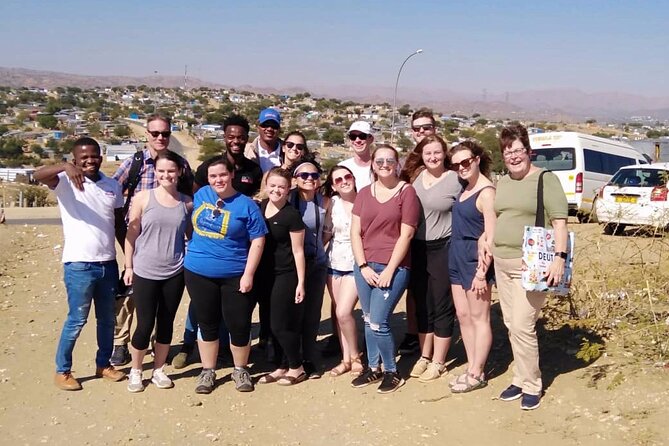
Reviewed · TOWNSHIP TOURS
Katutura – Classic Township Experience
This tour is interesting because it gets you out of the usual Windhoek viewpoint loop and into the lived geography of Katutura, where people talk, eat, and build daily life. You’ll move through places tied to apartheid-era relocation, then finish with a real neighborhood market stop.
I like the way it pairs simple site viewing with human stories, guided by locals who can answer the questions you actually have. I also love the food moment at Oshetu Market, where snacks and bottled water are included and you can try local street-food options with less pressure and more conversation.
One consideration: part of the experience is walking and talking in real community spaces, so it’s not for you if you want a photo-only, monument-by-monument outing. Go with patience, respect, and an open mind.
Key Things to Know Before You Go

- Pionierspark and the Old Location context help you understand why people were forced to relocate north of Windhoek during apartheid.
- A private, local-guided route means you can ask questions and steer the pace within the half-day timeframe.
- Wanaheda to Katutura shows different areas and how daily life and development look on the ground.
- A grassroots social project visit gives you something more meaningful than just driving past neighborhoods.
- Oshetu Market in Single Quarters is built for eating and strolling with local guidance.
- Snacks and bottled water are included, but alcoholic drinks are not.
Why Katutura, Pionierspark, and Oshetu Market Make One Smart Half-Day
This is the kind of Windhoek tour that makes the city feel three-dimensional. Instead of treating Katutura like a distant “sights” stop, the route links together place, history, and everyday routine. You start by seeing where earlier settlement life sat, then you move forward into what Katutura looks like today.
I like that the tour doesn’t push you into a rigid script. You’re guided by locals, and that matters. A good guide can explain what you’re looking at, but also what you should ask next. That turns your time into something you’ll remember as a real conversation, not a checklist.
The structure also helps you pace yourself. In about 3 to 4 hours, you get enough context to understand why the area is called Katutura (the place no one wants to live), and you still end with a concrete experience, food at a busy market.
Other township visits in Namibia:
- Windhoek: City and Township Tour
★ 4.8 · 430 reviews - Half-Day Windhoek City and Township Cultural Tour
★ 4.5 · 187 reviews - Windhoek: Katutura Township and City Walking Tour
★ 4.7 · 15 reviews
Craft Cafe to Pionierspark: Start With the Apartheid Geography

The day begins with meeting your guide in the Christuskirche area, then getting going from there around Craft Cafe. You don’t waste time. There’s a short taxi ride to Pionierspark, and the whole vibe is practical from the start.
At Pionierspark, you’re essentially grounding the story in a specific site. This is tied to earlier settlement life, and it’s linked to apartheid-era segregation in Namibia. The key idea is simple but heavy: people were forced to relocate to the north of the city, changing where families could live and how the city functioned around them.
On the drive, you’ll also pass by the Old Location, the segregated settlement area for the earlier population. This part is short, but it sets the lens for everything you see later. Without this, Katutura can feel like a single neighborhood stop. With it, you understand why the neighborhood’s shape and meaning exist.
Tip for your mindset: this is not the time to think of apartheid as a distant chapter in a textbook. You’re looking at how policy translated into streets, housing, and movement. Ask what changed, and ask what stayed.
From the Old Location to Wanaheda: Watching Development, Not Just History
After Pionierspark, the route continues toward the new settlement area known as Katutura. You’ll drive through different parts of the township, and the point is to show you variation in culture and development. That’s important, because one of the common mistakes people make is treating a township like it’s all the same. Here, you get a clearer picture.
A highlight in this stretch is a stop at Wanaheda, which represents another layer of Katutura’s present-day reality. You’re not only observing buildings. You’re getting a guided look at how different areas feel, how daily life functions, and what residents are dealing with day to day.
Then comes the grassroots social project visit. The exact project is not described in detail in the tour overview, but the intention is clear: you’ll spend time at a real community-based effort. This gives you a chance to move from understanding to seeing responses. People are working on social needs locally, and that matters more than any slogan.
If you’re the kind of traveler who likes to ask, you’ll find plenty of openings here. Questions about schools, community initiatives, and everyday challenges tend to land well when they come from a guide who lives the context.
One practical note: you’ll be riding in a vehicle between stops, so bring a little patience. It’s not a slow walking tour all day. The drive time is part of the story, and it helps you cover ground efficiently.
Katutura Streets and Single Quarters: The Oshetu Market Part You Shouldn’t Rush
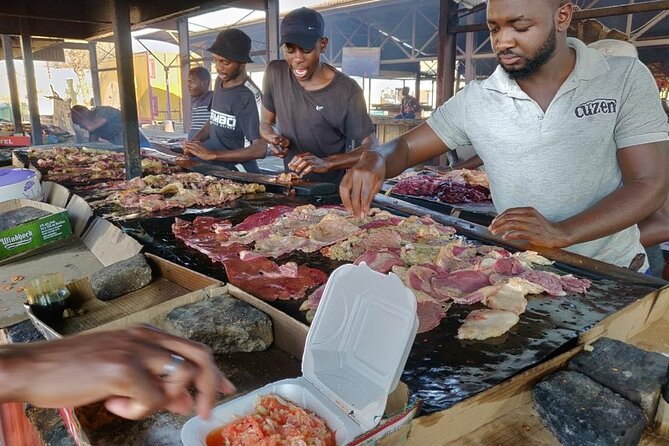
The tour ends with what I consider the most human moment, the visit to Oshetu Market in Single Quarters. This is where the experience shifts from “explaining the area” to “being in the area.”
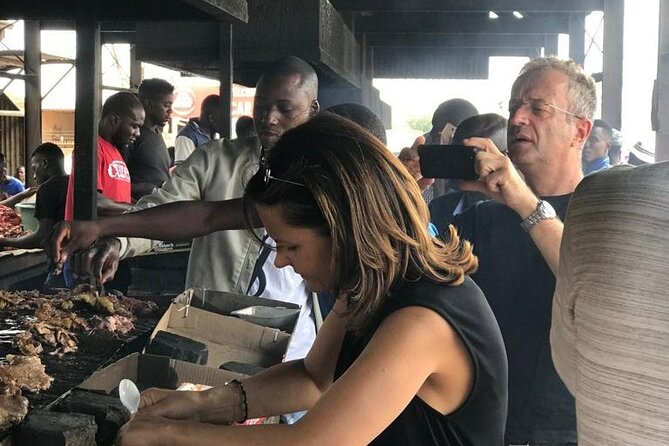
You’ll stroll through the streets with local guides. That’s a big deal. Without local guidance, markets can feel like a maze where you’re unsure where to look, what to try, or how to approach the food safely. With a guide, you can focus on tasting and learning.
Food is the star here. Snacks are included, and you can try a variety of street-food options. You’re also provided bottled water. Since this is a market setting, you’ll likely see a range of casual dishes and small portions meant for quick eating, the kind of food people grab as part of a normal day.
Also, keep your expectations aligned on drinks. Alcoholic beverages are not included. If you want something beyond water and the included snacks, plan on handling that separately.
The market time is also a social window. It’s not only about eating. It’s about standing in the flow of a neighborhood where people are buying, talking, cooking, and moving. If you’re curious and respectful, you’ll get more from the conversations than you’ll get from photos.
Best way to do this stop: take it slow for the first few minutes. Look at what’s being sold, then let your guide help you select a couple of items so you don’t end up sampling everything and regretting it later.
More trips out of Windhoek:
- Windhoek: Bushman Walk with the San
★ 4.9 · 145 reviews - 6-Day Dunes and Wildlife Accommodated Safari from Windhoek
★ 5.0 · 123 reviews - Windhoek City Tour
★ 5.0 · 113 reviews - 10-Day Namibia Highlights Guided Tour from Windhoek
★ 5.0 · 78 reviews
Private Guides Matter: Why This Tour Feels Personal (and Even Safe)
This is a private tour, meaning only your group participates. That affects the whole experience. You’re not competing for time with strangers. Your questions get answered because the guide can actually pace to your interests.
The guides behind this tour, associated with Anchor Adventures Namibia, are often praised for being friendly and flexible. Linda shows up in multiple accounts as a standout host, with strong explanations that weave together history, architecture, and neighborhood life. There are also mentions of Andrew as part of the team.
Language can also be a factor for you. One account specifically praised Linda’s German. If you speak German, you might have an easier time connecting and asking follow-ups.
Safety is another reason people recommend this. More than once, guides were described as making guests feel secure throughout the day. That doesn’t mean you should act differently than usual. It means the guide is reading the situation and managing the flow, including where you stop and how you move.
One small but real benefit of private guiding: your guide can adjust. If you want more time at a stop or you want to spend extra minutes with a local project, this format makes it easier than squeezing into a group schedule.
Price and Time: Is $40.65 Worth It?
The price is $40.65 per person for about 3 to 4 hours. That might sound like a lot until you break down what you actually get.
You’re paying for:
- Private transportation, not shared minivan hopping
- Snacks and bottled water
- Guided context at multiple stops, including Pionierspark and the township areas leading to Oshetu Market
- Visits that are listed with free admissions at the key site points
For many tours, the “cheap” options save money by cutting out the human parts, like longer guide discussion or market time. Here, you’re spending your budget on access and interpretation, not just transit.
Timing also helps. This is a half-day plan, so it fits into a packed Windhoek itinerary without swallowing your whole schedule.
Booking pace is another value clue. On average, this tour is booked about 21 days ahead. That suggests people plan it intentionally, not as an afterthought. If you have specific dates, I’d book sooner rather than later, especially during busy weeks.
And if weather is questionable, remember this experience needs good weather. If it gets canceled due to poor conditions, you should expect an alternative date or a refund.
How to Prepare: Simple, Respectful Moves That Improve Everything
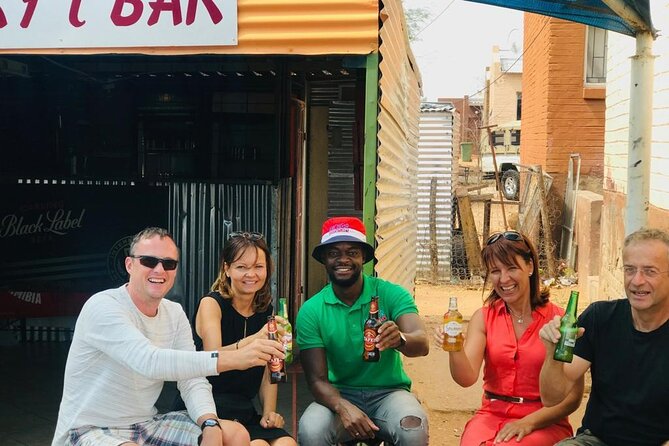
You don’t need special gear, but you do need the right attitude. This kind of tour works best when you treat it like meeting a community, not like shopping for a story.
A few practical ways to make the day smoother:
- Wear comfortable shoes. You’ll be walking around market streets and moving between stops.
- Go in ready to ask questions. History is part of the route, but the daily challenges and local decisions are the part that often sticks with people.
- Keep your pace with your guide. A township tour isn’t meant to be rushed, but it also isn’t a slow stroll at every corner.
- Don’t plan around alcohol. Alcoholic beverages are not included, so if your plan is to drink at the end of the day, you’ll need to adjust.
Also, since it’s a private tour with only your group, you’ll likely feel the difference in how conversations flow. That’s a good reason to come with curiosity, not just a checklist.
Who Should Book This Katutura Classic Township Experience?

This tour fits best if you want Windhoek to feel real, not just photographed. If you care about how apartheid’s legacy shows up in the layout and movement of the city, you’ll appreciate starting at Pionierspark and seeing how the route continues into Katutura.
It’s also a great match for people who enjoy:
- Street food and market energy
- Local guides who can explain what you’re seeing in plain language
- A half-day format that doesn’t require a full-day commitment
If your ideal trip is only high-ticket museum stops and quiet sightseeing, this may not scratch that itch. There are real daily challenges in the conversation, and the route includes community spaces where you’ll need to be respectful and attentive.
Should You Book It? My Call
If you want a short Windhoek tour that combines place-based context with actual neighborhood life, I’d book this. The biggest strengths are the pairing of key sites like Pionierspark with a guided walk and food stop at Oshetu Market, plus the private format that keeps it personal.
It’s not “comfort first,” but it is well-run. If you come with curiosity and treat the day like meeting people, not consuming a spectacle, you’ll likely find it one of the more meaningful experiences in your Windhoek schedule.
If you’re debating it, ask yourself this: do I want a story I can learn from a guide, and a taste I can remember from the market? If yes, this is a strong pick.
FAQ
How long is the Katutura Classic Township Experience?
The tour lasts about 3 to 4 hours.
Is this a private tour, and do they offer pickup?
Yes, it’s a private tour with only your group participating. Pickup is offered.
Where does the tour start and end?
The tour starts in the Christuskirche area (meeting point listed near Robert Mugabe Ave) and finishes back at the same meeting point.
What are the main stops during the tour?
You’ll visit Pionierspark, pass areas tied to the Old Location, continue through Wanaheda toward Katutura, and finish with a visit to Oshetu Market in Single Quarters.
What is included in the price, and is alcohol included?
The price includes private transportation, snacks, and bottled water. Alcoholic beverages are not included.
Does the tour depend on weather?
Yes. The experience requires good weather. If it’s canceled due to poor weather, you’ll be offered a different date or a full refund.
Latest reviews from Windhoek
- Knight Vibes: Bars, Shebeen, Clubs Crawl Windhoek★ 5.0 · 3 reviews
- 10 DAYS BEAUTY OF NAMIBIA | Guided Lodge★ 5.0 · 3 reviews
- Windhoek: Katutura Township Tour with Local Guide★ 3.5 · 3 reviews
- Windhoek: City & Township tour. Vehicle, guide, kapana★ 4.2 · 4 reviews
- Predator Encounter: Half-Day Carnivore Feeding Windhoek★ 4.0 · 5 reviews
- 3 Day Camping tour at Etosha National Park★ 5.0 · 5 reviews
- Airport Transfers★ 5.0 · 5 reviews
- 3 Day Camping safari at Sossusvlei★ 5.0 · 5 reviews
Township Tours, compared.
Half-Day Windhoek City and Township Cultural Tour
Read our review →
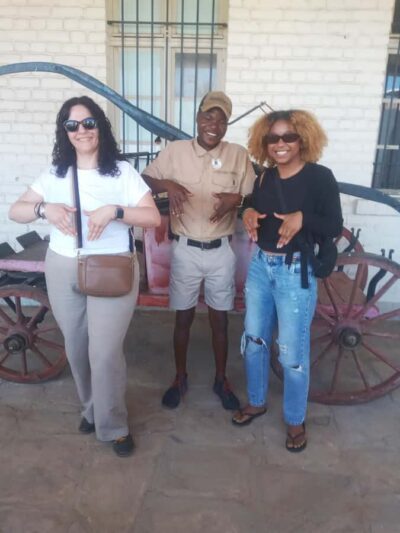
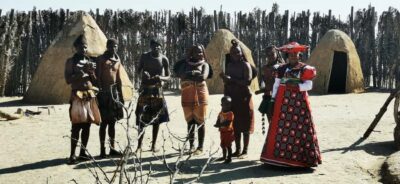

Katutura Tour – Experience Genuine Namibian Life
Read our review →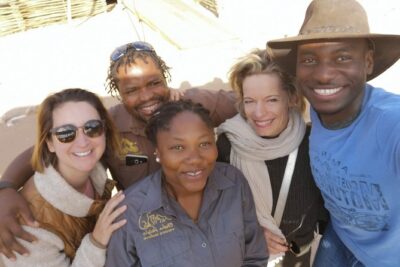
Swakopmund Best Cultural Historical Township Tours Namibia
Read our review →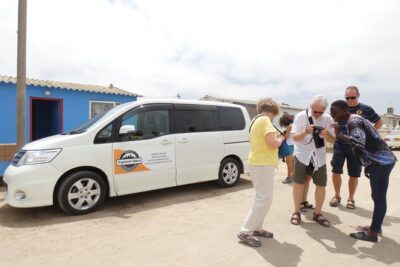
Local Guided Walvisbay & Swakopmund Township Experience Day Tour
Read our review →Browse the lists this tour appears in