
Reviewed · WINDHOEK TOURS
11 Days Small Group Namibia Experience Fully Accommodated Tour
This trip is interesting because Namibia keeps changing the rules every few days. You start in the Kalahari, trade sand and sky for the Atlantic at Swakopmund, then end in classic wildlife country around Etosha. It is the kind of route that makes you feel like you are driving through a whole country, not just checking boxes.
Two things I really like are the mix of scenery plus the fact that it stays practical. You get the headline places like Dead Vlei and Etosha Pan, but you also get hands-on moments such as the walk with bushmen, the rock art at Twyfelfontein, and a desert rhino tour led by local trackers at Palmwag.
One drawback to think about up front: the driving days are long. This is a fast route, so if you want slow mornings and zero road time, you may find the schedule a bit intense.
What Makes This Tour Worth Your Attention
- Small group size (max 7 travelers) means you are less likely to feel like you are on a conveyor belt.
- Fully accommodated stays at lodges and guest houses, so you are not guessing where to sleep after each major sight.
- Iconic Namibia stops built in, including Dead Vlei, Dune 45, Sesriem Canyon, Cape Cross, Twyfelfontein, Etosha Pan, and Okonjima.
- Local-guided experiences show up more than once, from bushmen walking and Himba village visits to Palmwag’s tracker-led rhino tour.
- Value add included items like mineral water on the vehicles and at all times, plus entrance tickets and listed meals.
- Guides matter here, and the feedback specifically highlights guides such as Markus, Frank, Me-Gusto, and Sidney for being attentive and upbeat.
Day 1: Windhoek Pickup, Then Straight Into the Kalahari Mood
You start with pickup in Windhoek between 08:00 and 08:45, so you do not burn a half day just getting moving. From there, the trip rolls into the Kalahari, which is often misunderstood. It is called a desert, but it is really a fossil desert that gets enough rain to keep it from being truly dry all the time.
The lodge is placed in the center of the Kalahari area with camelthorn trees, and the setup sounds simple but clever. You sleep in rondavel-style thatched huts, and the standout feature is a stone pool that can attract animals like oryx. If you like wildlife that wanders close without a huge effort, this is a good opener.
Practical note: expect a long travel day. Your comfort comes from the fact that you are fully hosted, not from having downtime built into the schedule.
More trips out of Windhoek:
- Windhoek: City and Township Tour
★ 4.8 · 430 reviews - Half-Day Windhoek City and Township Cultural Tour
★ 4.5 · 187 reviews - Windhoek: Bushman Walk with the San
★ 4.9 · 145 reviews
Day 1 to Day 1 Evening: Mariental as a Helpful Stop, Not a Side Quest
You also pass through Mariental, which sits along the TransNamib railway and serves as the commercial and administrative center for the Hardap Region. This area matters because it is a real-life Namibia stop, not a fake tourist set. It also helps your route make sense as you head toward the dune region.
Mariental is near the Hardap Dam and Irrigation Scheme, which turns arid terrain into farms. That contrast is worth seeing because Namibia can look uniform from far away, but it is not. Even a “brief” stop here helps your brain adjust to what comes next.
Day 2: Bushmen Walk, Then Namib-Naukluft’s Dune Shift
After breakfast, you begin with a walk in the area with local bushmen. This is one of those moments where the value is not just the photos, it is the human context. You learn more by listening than by sprinting through a viewpoint.
Later you travel from the smaller red dunes of the east toward the towering dunes in the west within Namib-Naukluft. Lunch is served along the way, and you aim to arrive at your lodge in the early afternoon. That timing is smart, because it leaves you time to cool down with a cold drink and use the pool at the lodge.
You might also have optional activities you can book with the lodge. If you like to keep your days flexible, this is a good structure.
Day 3: Dead Vlei, Dune 45, and Sesriem Canyon on Foot
This is the day that puts Namibia into its most famous visual mode.
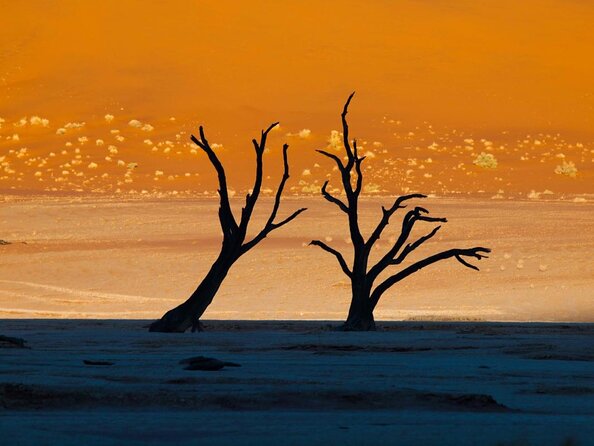
First up is Dead Vlei, an ancient clay pan that was once an oasis. The big detail is why it looks so unreal today. Trees dried out and did not decompose normally, so you end up with blackened, desiccated forms standing out against cracked earth and deep red dunes. The effect is surreal and very photogenic, especially if light is good when you arrive.
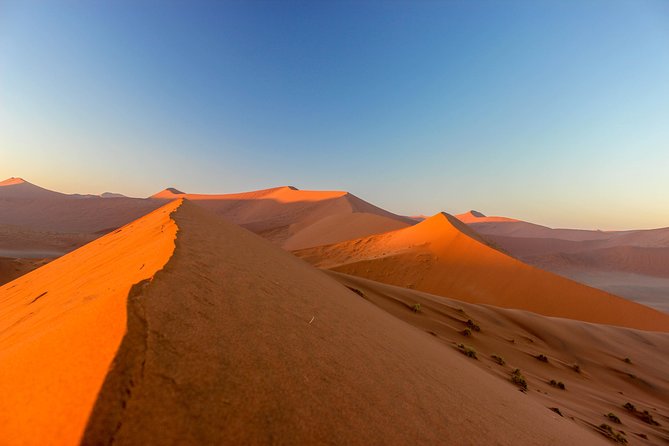
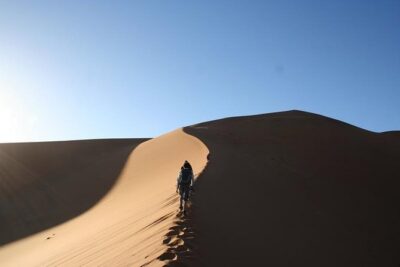
Next, you visit Dune 45, famous for being one of the most photographed dunes and named for the distance past Sesriem. The benefit of Dune 45 is that it is a shorter, gentler option compared with longer summit climbs like Big Daddy. If you want the dune experience without feeling like you are training for a marathon, this is a strong choice.
Then comes Sesriem Canyon Hike, a rocky cut shaped by water. It is best on foot, and you get the canyon’s narrow, dramatic feel with birds and lizards moving along the ledges. This is also one of the best parts of Namibia to do without rushing. Wear shoes you can trust and take your time on the slopes.
Same stretch of Windhoek, a different pace:
- 6-Day Dunes and Wildlife Accommodated Safari from Windhoek
★ 5.0 · 123 reviews - Windhoek City Tour
★ 5.0 · 113 reviews - 10-Day Namibia Highlights Guided Tour from Windhoek
★ 5.0 · 78 reviews - 12 Day Classic Namibia Camping Safari
★ 5.0 · 77 reviews
Day 4: Tropic of Capricorn, Walvis Bay Lagoon, and Swakopmund’s German Coast
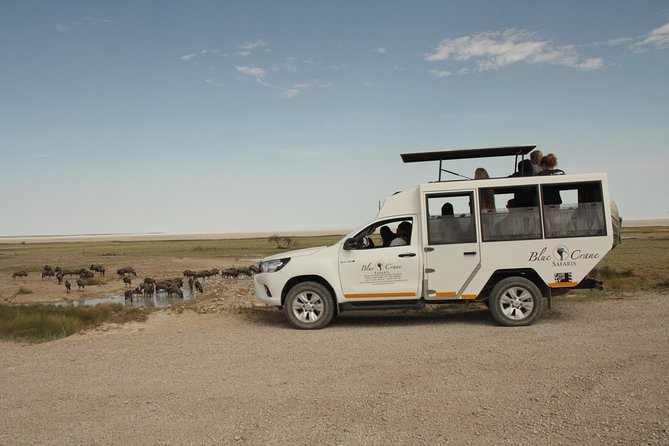
Today you go from desert heat to coastal air. You cross the Tropic of Capricorn and pass through scenic routes like Gaub and Kuiseb passes. You also stop at Walvis Bay to visit the lagoon and then head toward the salt works.
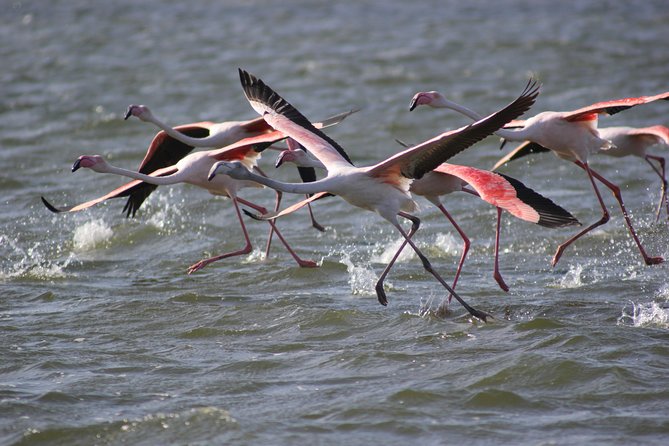
Walvis Bay lagoon is a rich wetland and supports lots of water birds, including flamingos, pelicans, terns, and avocets. You also get a salt-works visit, which is a reminder that this coast is not just scenery, it is industry and ecology in one place.
You continue to Swakopmund along the coastal road. The vibe here is a twist from the dunes: German colonial architecture, palm-lined streets, and Atlantic views. Dinner is included through the day’s plan, served at a local restaurant in Swakopmund.
Why I like this day for value: it breaks up the intensity of desert sights with an actual town where you can breathe and reset.
Day 4 Added Stop: The Tropic of Capricorn Sign
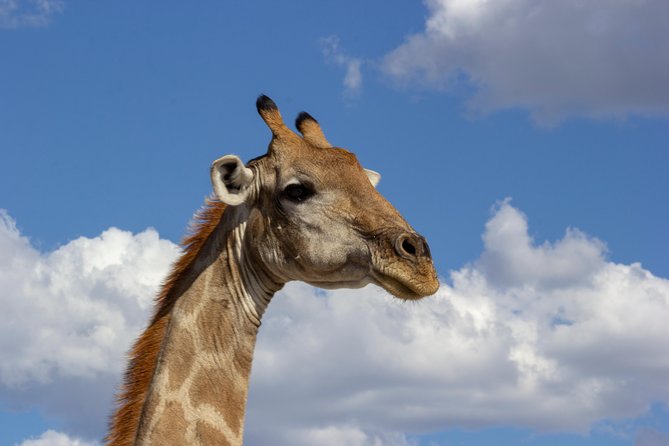
You also stop at the Tropic of Capricorn sign, about 40 km north of a crossroads, marked at roughly 23.5 degrees south. It is quick, but it is a fun geography moment that helps you remember you are traveling across real lines of latitude, not just random points on a map.
Day 5: Free Time in Swakopmund, With Optional Adventure If You Want It
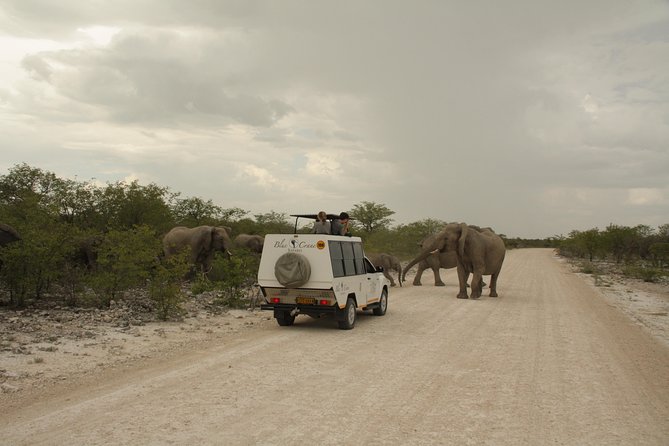
Day 5 is built for flexibility. You explore Swakopmund on your own, with time to choose your pace. The town is known for museums and an aquarium, and your guide can help you arrange optional extras.
The menu of options can include a boat tour with oysters and champagne, scenic flights or micro-light flights over the desert, fishing trips, quad-biking, sandboarding, and skydiving. Booking is handled through your guide, and important point: these extras depend on availability and are at your own risk and expense.
Dinner on this day is at your own expense. If you plan ahead, you can use this evening to try one local spot or keep it simple with something casual.
Day 6: Skeleton Coast North, Cape Cross Seals, Then Twyfelfontein Arrival
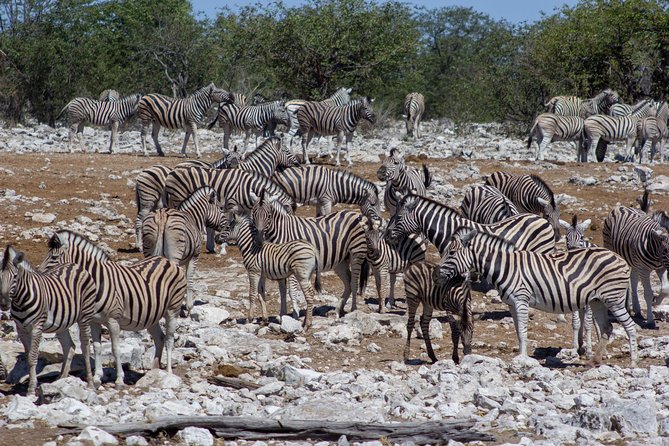
Now the route turns more rugged. You head to Damaraland along the Skeleton Coast and start with Cape Cross Seal Colony, north of Swakopmund. This is one of those wildlife experiences that feels raw and unforced. The colony is huge, with roughly 80,000 to 100,000 Cape fur seals, and you view them from a walkway at a distance of about 200 meters.
After that, you pass through Uis, an old mining town and one of the better places to buy Namibia’s semi-precious stones. You also pass the Brandberg area, known as the highest mountain in Namibia, and arrive at Twyfelfontein in the afternoon.
This day is mostly about setting the stage for the rock art, and that is exactly what you want: arrive with enough energy to pay attention.
Day 6 Added Stop: Twyfelfontein Rock Art Area (First Look)
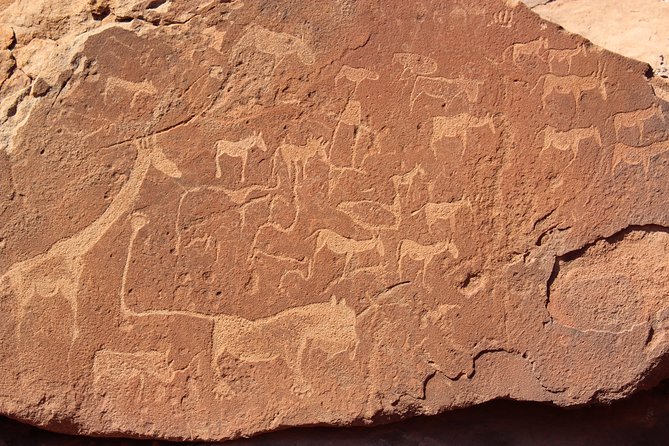
Twyfelfontein is serious rock art country. The name translates to Fountain of Doubt, linked to a perennial spring in the Huab valley. That spring drew Stone Age hunters, and the engravings and paintings you see today were made over 6,000 years ago.
Even if you only have part of a visit today, this area has a “hold still and look” effect. The more you slow down, the more you notice.
Day 7: Full Rock Art Time, Then Palmwag and a Desert Rhino Tour
The morning is time at Twyfelfontein, with access to one of the largest concentrations of rock art in Africa. You are looking at around 2,500 engravings across 17 rock art sites, plus additional painting sites.
Then the drive continues toward Palmwag, passing by the village of Bersig. This is where your day gets more safari-like. You join local trackers from the Torra Conservancy for an afternoon desert rhino tour. If you care about conservation and local expertise, this tracker-led piece is one of the most meaningful parts of the itinerary.
Then you move on to the lodge in the Palmwag concession.
Day 7 Evening Base: Palmwag Lodge in the Uniab River Area
Palmwag Lodge is set in a palm-lined tributary area of the Uniab River, and the key detail is water. When water is scarce, animals come closer. That makes the reserve feel alive even on quieter moments.
Palmwag is known for hyphaena palms, and it is also associated with a strong population of south-western black rhinos. Wildlife potential includes mountain zebra, kudu, and others that you might see depending on conditions.
This is also a good base if you want the chance at short hikes, because you are not just stuck behind glass.
Day 8: Palmwag to Etosha, With Himba Culture at Otjikandero
You continue toward Etosha National Park, passing by Kamanjab. Your stop is Otjikandero Himba Orphanage Village near a cattle farm. This is about children, volunteer mothers, and raising kids in the traditional way, with schooling creating some western influence for some children.
The funds from tours support medical needs and basic care. You have photo opportunities and you observe culture in its living setting. This stop can be emotional. Keep your attitude respectful, and remember this is a community, not a staged show.
You then head to your Etosha lodge just outside the south gate. If time allows, you do an afternoon game drive inside the park, returning before sunset.
Etosha is built for wildlife spotting, and it rewards patience.
Day 9: Etosha Pan Waterholes and Pan Views All Day
Day 9 is a long wildlife day. You visit waterholes, and you also stop to view the Etosha Pan, often called the place of dry water. The pan is vast and flat, about 5,000 square kilometers, and you can see shimmering mirages when conditions are right.
If you are hungry, lunch may happen at Halali before returning to the lodge. Game viewing here can be excellent, and you may see springboks, zebras, impalas, giraffes, gemsboks, plus many birds and smaller animals.
What I like about this setup is how it is not just one drive and done. You get multiple stops that let you compare different habitats.
Day 9 Added Context: What the Pan Becomes in Wet Season
Your day also gives you perspective on what Etosha Pan does across seasons. When dry, it is salt flats with little life besides algae and migratory birds. When it rains heavily, it becomes a shallow lake where flamingos breed and mammals come to drink.
Even if you visit in a dry period, this seasonal context helps you understand what you are seeing.
Day 10: Leaving Etosha for Okonjima, Then AfriCat and Big Cats
Today you move south toward Windhoek. You pass smaller towns on the way, and you stop at Okonjima.
In the morning you do a game drive before departure from the park, then you arrive at Okonjima for lunch at the africat cheetah farm. Later you take part in an AfriCat activity.
AfriCat Foundation conservation work is part of the reason this stop matters. You learn about the long-term conservation mission for Namibia’s large carnivores, including cheetah, leopard, and brown hyaena. The foundation also does environmental education visits.
This is a more reflective wildlife day. You are not just looking for animals. You are learning why they are under pressure and what conservation tries to do.
Day 11: Windhoek Finish, Okahandja Craft Market, and Airport Transfer
You wrap up by returning to Windhoek. Along the way you stop in Okahandja for the biggest craft market in Namibia. The stalls are run on a co-operative basis by the local community, which means you have more of a chance that your money stays in the local web.
This is the perfect final shopping stop for last-minute souvenirs that do not feel like a typical tourist trap. The market is also a good place to slow down before your flight.
If you fly today, your guide will transfer you to the airport or drop you off at your post accommodation you booked.
Price, Inclusions, and What You Actually Get for $4,500
At $4,500 per person for about 11 days, the price is not cheap. But it can make sense if you want a fully handled route with lodging and a packed lineup of major sights.
Here is where the value shows up:
- Accommodation is included, and you are not coordinating check-ins across multiple towns.
- Mineral water is included on vehicles and at all times, which matters in desert heat.
- You get passenger liability insurance, plus parking fees.
- Multiple admissions are included for listed stops, while other time blocks are free exploration.
The trade-off is that it is not a slow, luxury retreat. You are paying for access, route planning, and logistics. If you prefer total independence and you enjoy driving yourself, you may find other approaches cheaper. If you want to see the highlights without doing the planning work, this price can feel fair.
One extra budgeting note: beverages are not included, and tips are not included either. Also, at least one dinner is on your own in Swakopmund.
Guide Quality Makes or Breaks This Kind of Route
This route has a lot of moving parts. That is why the guide is crucial, not optional.
In feedback I saw strong praise for guides like Markus, Frank, Me-Gusto, and Sidney. The pattern is similar: they are attentive, knowledgeable about Namibia, and willing to adjust for what matters to your group. One review also called out how a guide worked to get rooms with views at the lodges, which is exactly the kind of small touch that improves the feel of an already scenic trip.
If you care about good communication, this tour style is the right fit. With a small group of up to 7, you notice when the guide is doing real work versus just following a checklist.
Should You Book This Namibia Experience?
I would book this tour if you want:
- A high-contrast Namibia route, from dunes to coast to savanna
- A small group structure that keeps the day-to-day manageable
- Included stays and many admissions, so you spend your energy on scenery and wildlife
I would think twice if:
- You dislike long driving days and prefer a slower pace
- You want full independence for meals and activities every day
- You are sensitive to a packed itinerary, because this is designed to hit several major regions in 11 days
If your goal is to see Namibia in a way that feels organized and efficient, while still leaving space for real experiences like rock art and conservation visits, this is a strong match.
FAQ
What time are you picked up in Windhoek?
Pickup in Windhoek is scheduled between 08:00 and 08:45, with the tour starting at 8:00 am.
How big is the group?
The tour is a small group with a maximum of 7 travelers.
Is pickup or airport transfer included at the end of the trip?
Yes. If you have a flight on the final day, your guide will transfer you to the airport or drop you off at your post accommodation that you booked.
What is included in the tour price?
Accommodation as listed above is included, along with listed meals (including breakfast for 10 days), mineral water on vehicles and at all times, passenger liability insurance, and parking fees. Several admissions are included for the named activities.
What is not included?
Beverages and tips are not included, and personal insurances are not included. Other personal items are also not included. Some optional activities in Swakopmund are at your own risk and expense.
Are there walking or hiking portions?
Yes. The trip includes a walk with local bushmen, a hike in Sesriem Canyon, and walking at several sights. You should be prepared for active sightseeing.
Is confirmation given quickly after booking?
You should receive confirmation within 48 hours of booking, subject to availability.
Latest reviews from Windhoek
- Knight Vibes: Bars, Shebeen, Clubs Crawl Windhoek★ 5.0 · 3 reviews
- 10 DAYS BEAUTY OF NAMIBIA | Guided Lodge★ 5.0 · 3 reviews
- Windhoek: Katutura Township Tour with Local Guide★ 3.5 · 3 reviews
- Windhoek: City & Township tour. Vehicle, guide, kapana★ 4.2 · 4 reviews
- Predator Encounter: Half-Day Carnivore Feeding Windhoek★ 4.0 · 5 reviews
- 3 Day Camping tour at Etosha National Park★ 5.0 · 5 reviews
- Airport Transfers★ 5.0 · 5 reviews
- 3 Day Camping safari at Sossusvlei★ 5.0 · 5 reviews
Windhoek Tours, compared.
Half-Day Windhoek City and Township Cultural Tour
Read our review →
6-Day Dunes and Wildlife Accommodated Safari from Windhoek
Read our review →

10-Day Namibia Highlights Guided Tour from Windhoek
Read our review →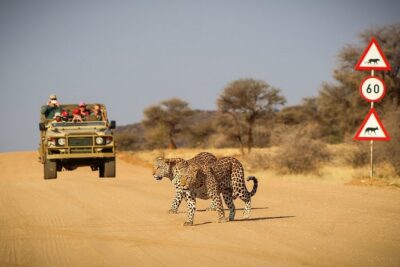
Browse the lists this tour appears in