
Reviewed · SAFARI
7 Day Taste of Namibia Lodging Safari
Namibia in seven days can feel like a sprint, and that is exactly what makes this trip fun. You start in Windhoek with hands-on conservation at N/a’an ku se, then you head for wildlife drama in Etosha and the red-dune spectacle of Sossusvlei.
I love that the days are built around meaningful conservation, not just scenery. I also like the way the schedule supports sunrise starts and game drives so you are out when animals are most active.
One drawback to flag is the pace. You will be up early, and you will spend major chunks of time driving between big regions, plus extras like water and snacks between meals are not included.
Key highlights to know before you go
- N/a’an ku se Wildlife Sanctuary first: a real look at rehabilitation, including a carnivore feeding experience
- Etosha Pan time at full strength: sunrise timing for big cats on the move and long searching sessions
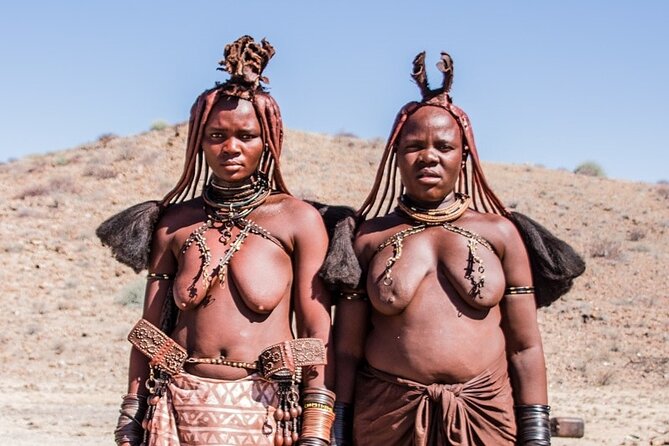
- Big Sky Damaraland and Brandberg country: chances to see Himba, Herero, and Damara culture at roadside stops
- Tropic of Capricorn to Kuiseb Pass: dramatic road views as you angle toward the Namib and Namib desert scenery
- Sesriem sunrise dunes: pre-dawn start for orange-gold light on towering sand
- Solitaire cheetah project and apple pie: conservation work plus a classic local treat at the end of the week
Why this 7-day Namibia sampler feels bigger than the map
This is the kind of trip that makes you understand Namibia faster than you expect. In a single week you get conservation, classic safari country, desert monuments, and local culture stops, all without having to piece together different companies or drive long distances by yourself.
What I like most is that the trip keeps moving, but it does not feel random. The route is built around Namibia’s contrast. One day you are thinking about injured animals and rehabilitation. Next, you are scanning the Etosha Pan in the desert, where water is rare and every sighting feels earned.
There is also something nice about the group size. The tour caps at 10 travelers, so you are not stuck in a huge herd. You still get the social side of traveling with others, but you are more likely to have space for your gear and good conversations in the minibus.
Other ways to spend a day in Windhoek
- 6-Day Dunes and Wildlife Accommodated Safari from Windhoek
★ 5.0 · 123 reviews - 12 Day Classic Namibia Camping Safari
★ 5.0 · 77 reviews - 3 Day Sossusvlei Budget Camping Safari
★ 5.0 · 62 reviews
Price and what you actually get for $2,543.82
At $2,543.82 per person, this is not a budget bargain. But you are not paying just for driving and lodging. This price comes with a bundle of items that add up quickly in Namibia.
Here is what you are covered for: air-conditioned vehicle, a professional English-speaking guide, 6 nights in twin-share rooms with en-suite bathrooms, and meals laid out across the week (breakfast is included 6 times, lunch 4 times, dinner 3 times). You also get national park entry fees for two Etosha days and one Sossusvlei day.
Then there are the experiences that make the trip more than a check-the-box tour. You get a carnivore feeding activity at N/a’an ku se Wildlife Sanctuary, you do guided game drives in the park, you get a Sossusvlei excursion that includes a 4×4 shuttle, and you add a cheetah conservation activity at Solitaire. Return airport transfers are included too.
What is not included matters for planning: optional activities, personal travel insurance, tips, snacks between meals, and water. If you tend to snack constantly during long drives, build that into your budget. Also, if your travel style is to stretch meals into long relaxed dinners each night, you might feel the schedule tighten, since not every day is set up for full dinner service.
N/a’an ku se Wildlife Sanctuary: conservation first, not afterthought
The trip starts close to Windhoek, about 50 km east, at N/a’an ku se Wildlife Sanctuary. This place exists for a simple but heavy reason. Sick, injured, or orphaned animals come in for rehabilitation, and the goal is reintroduction when it is possible.
Some animals cannot be released back into the wild. In those cases, they live at the sanctuary as part of a permanent, safer plan, sometimes described as an early retirement. That framing changes how you later see Namibia. When you go from sanctuary thinking to safari thinking, you are not just looking for spectacle. You are watching with a bigger understanding of how fragile survival can be.
You also get a carnivore feeding activity here. That is not the kind of thing you do on every tour. It is built into this itinerary, so you can expect it to be a highlight of the early days. It also helps that this stop is short in timing, so you do not lose the day to a long transfer. You start the week with impact, then still get to do the big wildlife and desert stops that Namibia is famous for.
One small practical note: this is near Windhoek, so the day feels like a steady warm-up. You are not jumping straight into 10 hours of driving from day one.
Etosha National Park and the Great White Space: when timing matters
The heart of classic Namibia safari energy is Etosha National Park. You start the bigger northbound drive with a game plan that is all about early departures. You are picked up from Windhoek accommodation within the city limits around 07:00, then transferred for a short pre-departure meeting.
After that, the day is about getting into position and settling into safari rhythm. There is a stop in Otjiwarongo for last-minute supplies, and you eat a light lunch pack while on the move before entering the park and heading to Halali Camp.
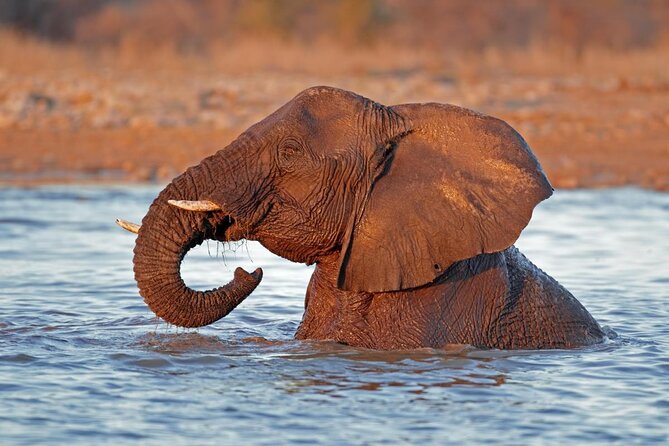
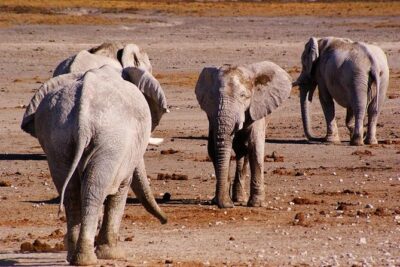
The next day is where Etosha really earns its reputation. You have an early-start approach because the park gates open at sunrise. The goal is to be out as the horizon changes, because that is when you catch the first burst of activity. Etosha is a desert, and water is scarce. Animals concentrate around what little water and shade exist.
During the day you keep returning to Halali for breakfast and then getting back out again once the vehicle is loaded. That may sound repetitive, but it is exactly what works in Etosha. You can stay flexible as the sun shifts, and you are not stuck driving around hungry and tired for hours with no breaks.
You are also specifically hunting for the full food chain. The focus is predators and prey alike. That means you will be scanning for big cat moments, but also paying attention to the animals that make predator sightings possible.
And then there is the famous feature called the mineral pan, often described as The Great White Space. It is huge, about 22,000 square km, and it sits at the center of the park’s identity. Even if you do not picture it before you go, once you are there you get why Etosha is called Etosha. The place feels vast, and that scale changes how you view every animal sighting.
A real tip for your mindset: Etosha rewards patience. You do not need constant action every minute. What you want is good visibility, calm scanning, and the willingness to keep driving when nothing appears at first.
More trips out of Windhoek:
- Windhoek: City and Township Tour
★ 4.8 · 430 reviews - Half-Day Windhoek City and Township Cultural Tour
★ 4.5 · 187 reviews - Windhoek: Bushman Walk with the San
★ 4.9 · 145 reviews - Windhoek City Tour
★ 5.0 · 113 reviews
Damaraland, Brandberg country, and human stops that feel like real life
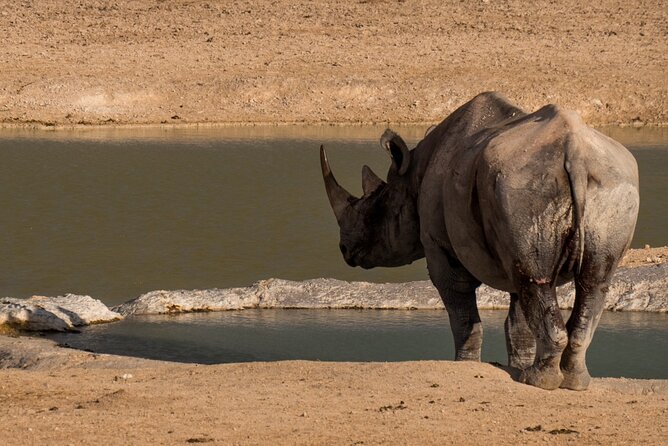
After Etosha, the route shifts. You aim for Damaraland and the broader region that leads toward the Skeleton Coast, and the travel is a big part of the experience.
One day is set up as a long scenic run. You leave after breakfast and target an early start, around 07:30, then head through Namibia’s big interior driving zones, passing Outjo before picking up gravel roads in Damaraland. This is where the scenery starts doing strange things, in a good way. The terrain goes from open desert to massive forms, and the sky starts to feel like it can hold everything.
The tour description also emphasizes culture and community. As you travel through areas tied to Himba, Herero, and Damara people, you may stop at roadside stalls, often where people are dressed in traditional styles. You are not just driving past. You get a chance to meet people in day-to-day settings, and you learn that tourism here often runs on small, local stops rather than big scripted attractions.
There is also a strong sense of place around Brandberg, Namibia’s highest mountain. Even if you only catch it in views from the road, knowing you are in its shadow gives the region weight. It helps the trip feel more grounded and less like a list of distant points.
The one caution with these culture moments is the same one I give anywhere. Keep your tone respectful, ask before photographing, and treat roadside stalls like small businesses. This tour is built to include those stops, but how you show up matters.
Tropic of Capricorn to Sesriem: the drive becomes the prelude
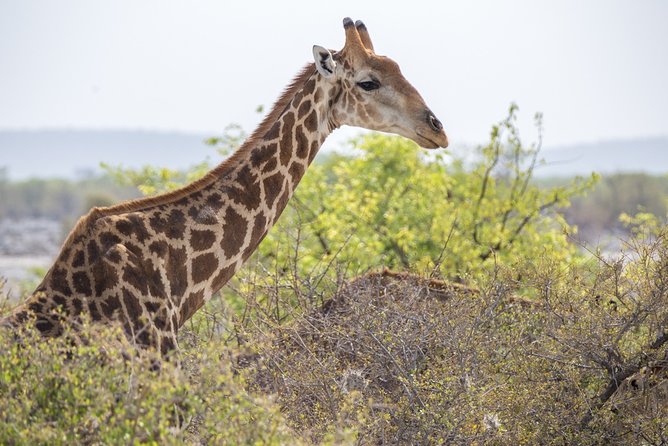
Next comes the transition into the Namib and the route that leads you toward the famous dune areas. You spend a chunk of time moving through gravel plains and massive rock formations, including huge mountain inselbergs. This is one of those sections where you start noticing how deserts look different from what you assumed.
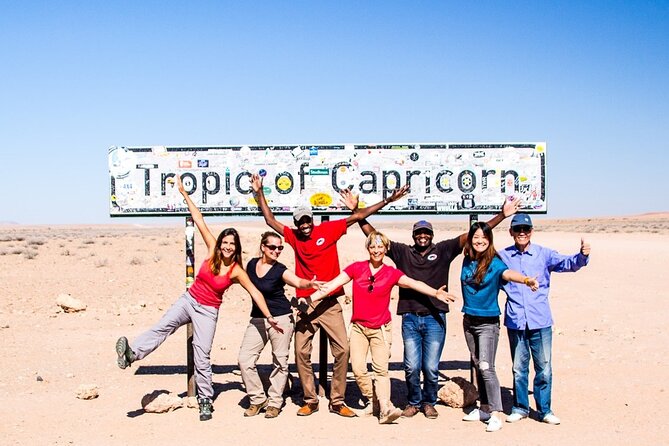
You also make a stop at the Tropic of Capricorn sign. It is a quick moment in the week, but it gives your brain a geographic anchor. You then continue on toward the dune country with two mountain passes on the schedule. One of them is Kuiseb Pass.
From the top, you drop steeply down into a canyon carved over eons by the Kuiseb River on its way to the ocean at Walvis Bay. That kind of description is not just drama. In person, it gives you an idea of how long a landscape can take to form, and how fast your trip feels in comparison.
By the time you reach the Sesriem area, the experience turns from road views to dawn photography mode. And that means timing becomes your main job.
Sesriem sunrise dunes and the 4×4 shuttle reality
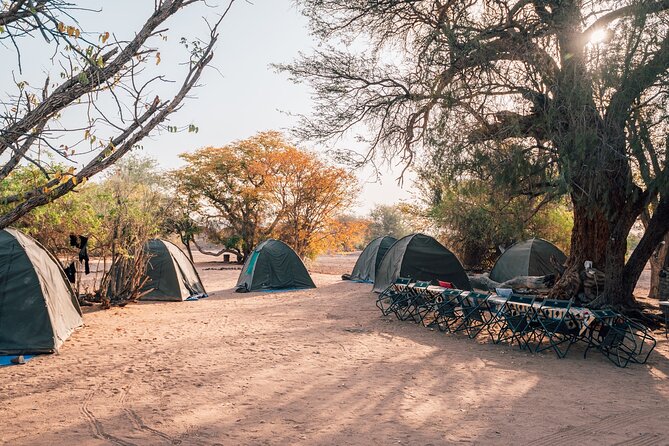
You are set up for a pre-dawn start. The morning focus is sunrise in the dunes, with a very early breakfast, then time outdoors for the light change.
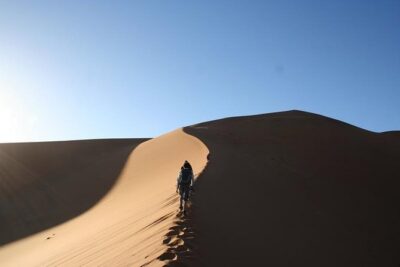
This is when sand dunes look like they have a personality. The color shift, orange and apricot tones on one side, shadows deepening on the other, is the payoff for getting up early. You do not need special gear to appreciate it, but having a camera or smartphone ready helps, because you will want to capture that warm light.
The schedule also includes a Sossusvlei excursion with a 4×4 shuttle. That matters because the dune areas are not the kind of place you reach casually on foot. You are using vehicles designed for the conditions, so you can focus on viewing instead of worrying about traction and getting stuck.
A practical point: pre-dawn starts mean you need to be ready to move fast. If you like sleeping in while on holiday, this part will feel like a wake-up call. But if you are chasing that golden sunrise, it is hard to beat.
Solitaire cheetahs and the apple pie finish
The last day heads to Solitaire for a conservation project tied to cheetahs. You join an open vehicle excursion with a local conservation project, in this case focused on cheetah.
Not every animal in these programs can be released back into the wild. For different reasons, some cheetahs stay in the project and are cared for as part of a long-term conservation approach. The value here is that you learn what the work looks like, not just that animals are cute.
You get the chance to see the cheetahs and also hear about how locals handle rehabilitation and support. You also get the photography angle that cheetah sightings can offer, since cheetahs are built for speed and the open-vehicle setup helps you keep sight lines.
Then, you get a classic local treat. After the activity you sample the apple pie that Solitaire is known for. It is a small moment compared to dunes and safari wildlife, but it is the kind of finish that sticks. After a week of early mornings, it feels like a reward that is simple and real.
Pacing, comfort, and how the small group shapes your week
This trip is not slow travel. It is a tight “taste of Namibia” in a small group, and that has trade-offs.
On the plus side, the maximum 10 travelers keeps the group manageable. In practice, that usually means less waiting for people to step into and out of vehicles and better communication with your guide. The days also include breaks for lodging and meal service. You are not just camping and driving non-stop.
On the minus side, you should expect early starts and long stretches of driving between major regions. The tour is designed for variety, so the minibus time adds up. That can be tiring if you hate motion or if you get restless easily.
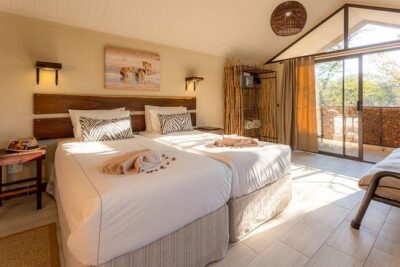
Comfort is supported. You travel in an air-conditioned vehicle, and your rooms have en-suite bathrooms. Lodging is in twin-share rooms, so if you are solo you will be matched with a roommate in the twin-share arrangement, since that is how the accommodation is listed.
Your guide matters a lot on a trip like this. In the names I have seen associated with Chameleon Safaris, people like Chilo, Kennedy, Gideon, Gregg, Greg, and Tulimo come up with the same theme: calm handling of the day, attention to the group, and an ability to keep things organized even when the schedule is full. If you get a good guide, the fast pace feels controlled rather than chaotic.
One more practical note: meals are not equal every day. Breakfast is included most days, lunch is included on some driving days, and dinner coverage is included on several evenings. The schedule includes at least one light lunch pack while on the move, so plan for the idea that you will eat quickly sometimes. Also, water and snacks between meals are not included, so keep some cash or a plan for purchasing what you need during the driving days.
Should you book this Namibia taste of highlights safari?
You should book if you want a high-impact Namibia week that blends conservation, safari wildlife, and dune scenery without the planning headache. This is a good fit for first-timers who want to see major regions like Etosha and Sossusvlei in one go, while still getting conservation moments at N/a’an ku se and the cheetah work at Solitaire.
Skip it, or at least think hard, if you need a relaxed pace. This trip is built for early mornings, long road days, and packed sight windows. Also, because water and snacks between meals are not included, it is best if you are comfortable topping up your own supplies during the day.
If you want Namibia with structure, a small group feel, and days that actually start at sunrise, this safari has the right mix. The best part is that it does not only show you animals and dunes. It also explains why rehabilitation and local conservation projects matter, so your sightings come with context instead of just a checklist.
FAQ
What is the duration of the tour?
It runs for 7 days and 6 nights.
Where does the experience start?
The meeting point is Chameleon Safaris on Ferry Street in Windhoek. The start time listed is 1:30 pm.
How many people are in the group?
The tour has a maximum group size of 10 travelers.
Are meals included?
Yes. Breakfast is included 6 times, lunch is included 4 times, and dinner is included 3 times.
Is park entry included for Etosha and Sossusvlei?
Yes. National park entry fees are included for 2 days in Etosha and 1 day in Sossusvlei.
Does the tour include conservation experiences?
Yes. You visit N/a’an ku se Wildlife Sanctuary and it includes a carnivore feeding activity, and you also do a cheetah activity with a local conservation project at Solitaire.
What is the cancellation deadline for a full refund?
You can cancel up to 6 days in advance of the experience for a full refund. To get a full refund, you must cancel at least 6 full days before the experience start time.
Latest reviews from Windhoek
- Knight Vibes: Bars, Shebeen, Clubs Crawl Windhoek★ 5.0 · 3 reviews
- 10 DAYS BEAUTY OF NAMIBIA | Guided Lodge★ 5.0 · 3 reviews
- Windhoek: Katutura Township Tour with Local Guide★ 3.5 · 3 reviews
- Windhoek: City & Township tour. Vehicle, guide, kapana★ 4.2 · 4 reviews
- Predator Encounter: Half-Day Carnivore Feeding Windhoek★ 4.0 · 5 reviews
- Airport Transfers★ 5.0 · 5 reviews
- 3 Day Camping tour at Etosha National Park★ 5.0 · 5 reviews
- 3 Day Camping safari at Sossusvlei★ 5.0 · 5 reviews
Safari, compared.
6-Day Dunes and Wildlife Accommodated Safari from Windhoek
Read our review →
ETOSHA PARK SAFARI with local guides in 9-seater 4x4s
Read our review →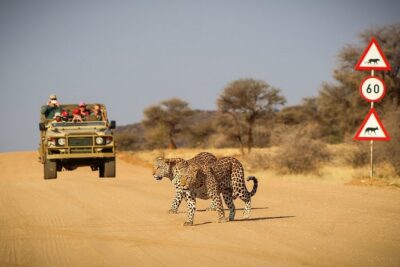
6 Day Sand, Sea & Etosha Budget Camping Safari
Read our review →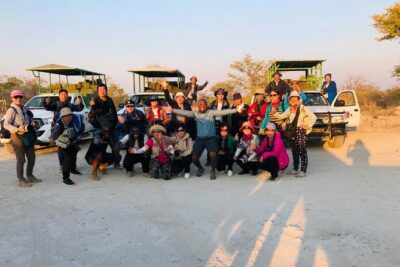
Safari in Etosha national park with professional tour guides born in Etosha.
Read our review →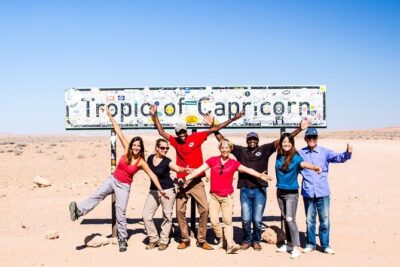
7 Day Southern Namibia and Sossusvlei Camping Safari
Read our review →Browse the lists this tour appears in