
Reviewed · WINDHOEK TOURS
Traditional Cooking Class – Mahangu pap for beginners
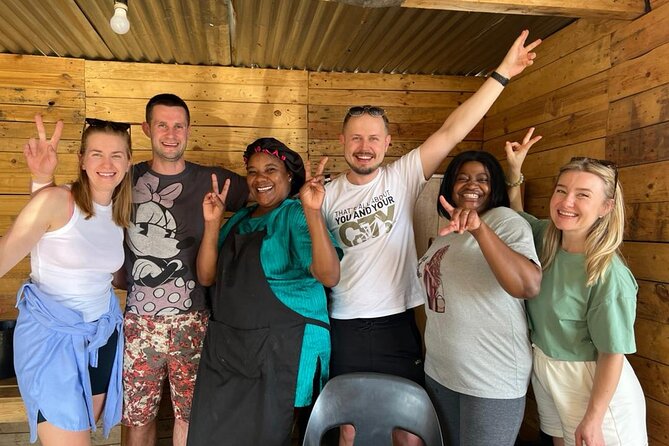
What makes this traditional cooking class interesting is that you are not just watching food happen. You learn mahangu pap basics, then cook and eat in a Namibian home setting in Windhoek, with real context about local farming and daily meals.
I love the hands-on beginner coaching. I also love the menu variety, from staple pap to classic beef on the braai, plus vegetarian options like spinach and marula fruit.
One drawback to consider is that the most adventurous tastes, like mopane worms or goat head (Smilie), are optional, but they might not fit every comfort level. Also, alcohol is not included in the class price, even though you may share stories over local beers and traditional drinks.
Key reasons this class is worth your time
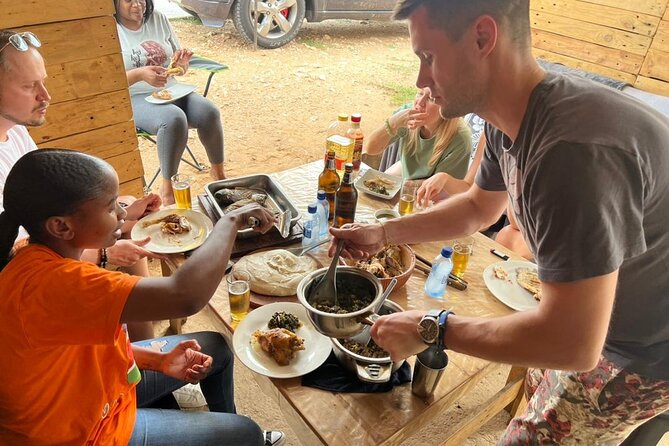
- Mahangu pap training for beginners, with explanation of how it is grown and stored
- Kapana and braai cooking, so you get both technique and flavor
- All food included: snacks, soda/pop, lunch, bottled water
- Optional local delicacies like mopane worms and goat head (Smilie)
- Vegetarian-friendly choices, including spinach and marula
- Private experience, just your group, with pickup and private transportation
Why mahangu pap plus a braai feels so real in Windhoek
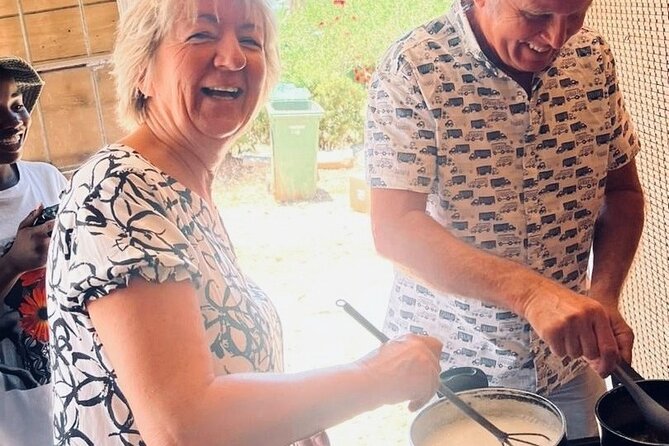
This is the kind of activity that changes how you think about food. Mahangu pap is not a fancy dish for tourists. It is the staple. Learning it connects you to the basics of Namibian eating habits, not just the final plate.
And then the class mixes in the cooking culture you expect in Namibia. You cook beef on the braai, with kapana-style grilling energy, while you learn how families handle ingredients and daily cooking rhythms. The result is a lesson you can actually repeat at home, not just a meal you forget after dessert.
Even better, the tone stays casual. You meet hosts in their home setting, then share conversation over local drinks. If you want a break from standard museum stops and city viewpoints, this gives you something more human: food, stories, and a kitchen that feels lived in.
More trips out of Windhoek:
- Windhoek: City and Township Tour
★ 4.8 · 430 reviews - Half-Day Windhoek City and Township Cultural Tour
★ 4.5 · 187 reviews - Windhoek: Bushman Walk with the San
★ 4.9 · 145 reviews
Price, time, and what $56.99 really buys
At $56.99 per person for about 3 hours, you are paying for more than the cooking itself. The price covers snacks, soda/pop, lunch, bottled water, and private transportation. That matters because it reduces the usual “cheap class, then add-on costs” problem.
Also, the class is set up as private for your group only. So if you are coming with a sibling, friend, or partner, you get the personal attention without a room full of strangers. One of the strongest themes you will hear from people who do this is that the guide stays with them through the process, not just at the start for photos.
Plan for it to feel full. Three hours is enough time to cook, learn, and sit down together. It is not a long day tour, but it is more than a quick tasting stop.
Getting there: pickup, meeting point, and the flow of the day
The activity starts at Christuskirche, Robert Mugabe Ave, Windhoek. If pickup is offered for your booking, you will be collected by private transportation and brought to the home setting for cooking.
From a practical standpoint, this is one of the easiest “culture” activities to fit into a schedule. It is close enough to the city center that you can plan it without heavy logistics, and it runs for a clear block of time (around 3 hours).
You will also get a mobile ticket, and the location is listed as near public transportation, just in case you prefer to handle the first leg yourself. Service animals are allowed, and children are welcome, which is useful if you are traveling with family.
Inside the cooking rhythm: pap, then the main plate
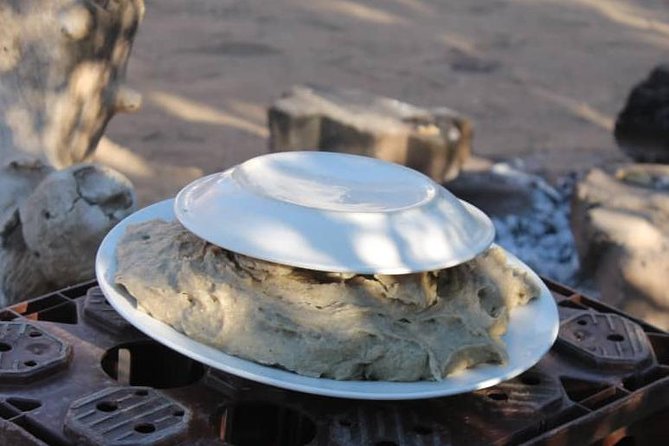
The lesson follows a pretty logical food order. You start with the staple: mahangu pap. You learn what it is, then you get involved in preparing it. During that time, you also learn about farming and storage of mahangu.
After that, you move to the main meal components. You cook classic beef on the braai (BBQ), and you might also prepare additional local sides depending on what you choose and what your tutor has planned for your group.
What makes the structure work is that it ties technique to culture. You are not just stirring because someone told you to. You are cooking something people rely on daily, and you hear why the ingredients and steps matter.
Same stretch of Windhoek, a different pace:
- 6-Day Dunes and Wildlife Accommodated Safari from Windhoek
★ 5.0 · 123 reviews - Windhoek City Tour
★ 5.0 · 113 reviews - 10-Day Namibia Highlights Guided Tour from Windhoek
★ 5.0 · 78 reviews - 12 Day Classic Namibia Camping Safari
★ 5.0 · 77 reviews
Mahangu pap for beginners: how the staple becomes your skill
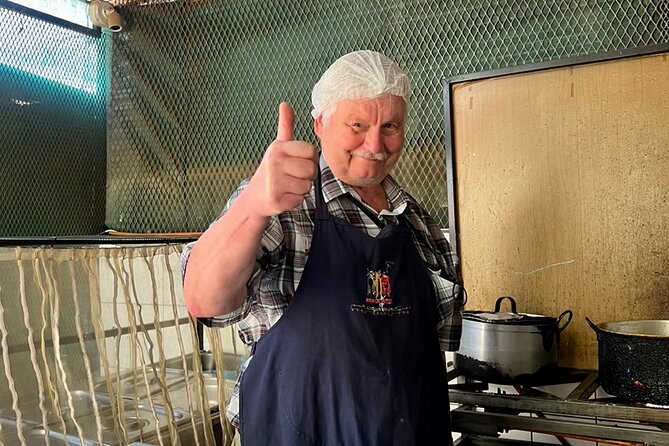
Mahangu pap is described as a millet-based bread dough, and also as a porridge made from Mahangu. That means you get a real introduction to how flexible and central the staple is. Your goal is not perfection on day one. Your goal is to understand the core process so you can recreate it later.
You will learn about:
- the staple itself (mahangu pap, based on mahangu millet)
- how it is connected to daily meals
- how mahangu is grown and stored in a desert climate
That last part is the hidden value. When you understand storage and farming, the food stops being mysterious. You start to see pap as part of a system, not a random recipe.
In practice, this is exactly why the class is labeled for beginners. You get guided help in the making, and you learn by doing. One of the most consistent impressions from the experience is that people feel they can actually replicate it later because they had a clear teacher in the room.
Kapana-style beef on the braai: the part you can smell
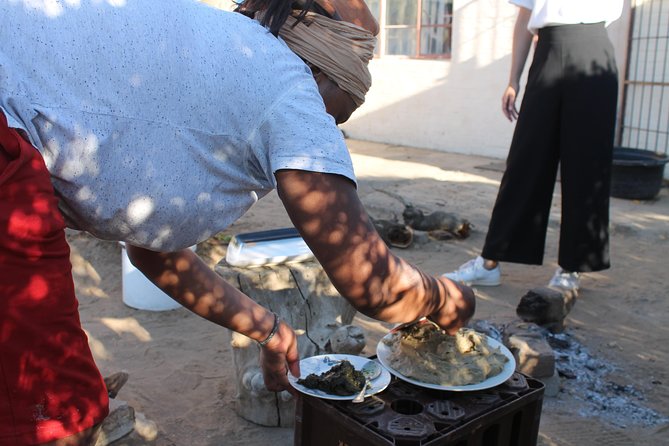
Then comes the braai energy. You cook classic beef on a braai (BBQ), using a kapana meat grill approach. Even if you are not a grill expert, you get the basics from the tutor while the food cooks.
You also learn the “why” behind the cooking style. In Namibia, braai food is not just entertainment. It is a practical way to feed people and make meat taste incredible without complicated equipment.
If you are the kind of traveler who likes to understand technique, this is a great moment. Grilling becomes more than a step. It becomes part of the local cooking logic.
If you have dietary limits, tell your guide early. Vegetarian options exist, but the class menu can still include meat unless your tutor specifically plans a full vegetarian set for your group.
Vegetarian options with spinach and marula fruit
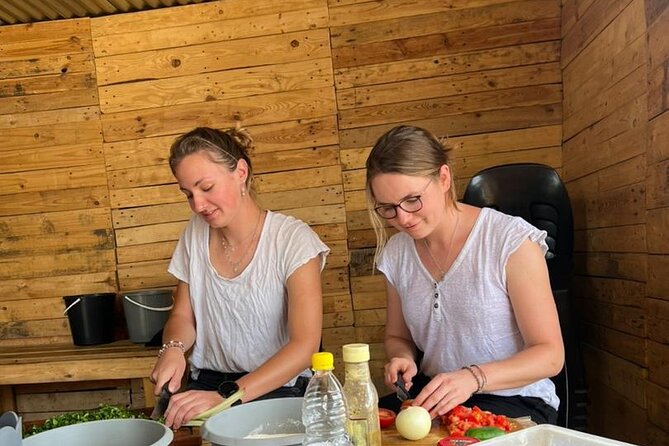
This class includes vegetarian options. The specific ones mentioned are local spinach and marula fruits.
That matters because it is not always easy to find a cooking class where the vegetarian meal is treated as real food, not an afterthought. Here, you can cook local spinach and incorporate marula fruits as part of the meal planning.
If you want to keep your vegetarian cooking simple at home, spinach dishes give you an ingredient you can often find in some form, and marula fruit adds a distinct Namibian flavor concept. It is a useful way to bring Namibia back to your kitchen even if you cannot source the exact same ingredients.
The real culture moment: eating where people live
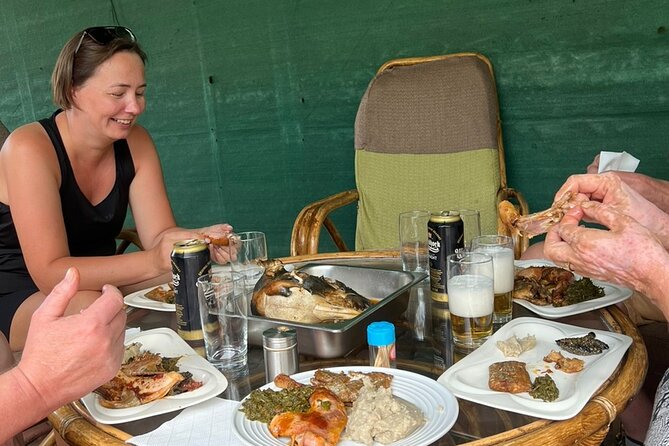
One of the biggest draws is that you meet Namibians in their homes. This is not staged in a hotel conference room.
You share stories with your hosts over local drinks. Just note this carefully: alcoholic beverages are not included in the price, even though the conversation may involve local beers and traditional drinks. So if you want alcohol, budget separately.
Expect a comfortable, household setup. Multiple participants have described the cooking space as clean, with working electricity and functioning refrigeration, plus a strong emphasis on handwashing. That combination is reassuring. It helps the lesson feel safe and welcoming, especially if you are cooking with unfamiliar ingredients.
There is also a social side. The best part of this class is that it ends with you eating what you cooked, together with the people teaching you. That is when the meal makes sense.
Mopane worms and goat head (Smilie): optional, but memorable
This is where the class can feel like an adventure. You have the chance to try local delicacies such as mopane worms and goat head, known as Smilie.
Here is the practical way to think about this:
- If you are curious and open-minded, this is a bold way to learn what people actually eat.
- If you are cautious, these items are described as adventurous options, so you can choose what you taste.
You should also consider your stomach and your spice tolerance. Pap and meat dishes tend to be satisfying, and some meals can be spicy. If you want a gentler first experience, tell your tutor you prefer less heat.
For many people, the payoff is not just the taste. It is the context. You learn what makes these foods part of daily diets and what they mean in the local food world.
Who will enjoy this most?
You will likely love this class if you want:
- a beginner-friendly way to learn mahangu pap
- hands-on cooking with local ingredients
- a cultural experience that is not just sightseeing
- a private setup with pickup and your own tutor attention
It is also a strong choice if you care about home-scale cooking. The experience emphasizes meeting Namibians in their own setting, swapping stories, and learning the day-to-day side of food.
You might consider another option if you:
- strongly dislike eating unfamiliar foods, even if they are optional
- cannot eat meat or do not want any meat preparation near you, because vegetarian choices exist but the broader class can include braai components for mixed plans
Value and quality check: cleanliness, teaching style, and take-home skills
A big reason people rate this experience so highly is the combination of teaching style and kitchen comfort.
Cleanliness comes up clearly. People describe electricity working well, including the ability to keep ingredients properly, and they mention lots of handwashing during the process. That sounds like a small detail until you are in a real kitchen and realize you can cook with confidence.
The second quality is the pace. The class is structured for beginners, with clear guidance through the steps. People also highlight that having a personal cooking guide makes the whole thing feel easier and more rewarding than a group demo.
Finally, the take-home value is real. You are learning staple food technique and cooking logic. If you like cooking at home, you will leave with more than a full belly. You will leave with a method you can repeat.
Small practical tips before you go
Here are a few smart moves that make the experience smoother:
- Wear comfortable clothes you can move in, since you will likely be standing and working around food prep.
- Let your guide know about vegetarian preferences upfront. Spinach and marula are available, but you want your plan locked in early.
- If you want to taste mopane worms or Smilie, say yes early in the class so the tutor can guide you on how to approach it.
- Since alcohol is not included, plan what you want to drink during the meal. Soda/pop and bottled water are included.
If you come with a question about desert farming or why mahangu is stored a certain way, this class is a great place to ask. The learning is part of the cooking, not a separate lecture.
Should you book this traditional cooking class in Windhoek?
I think you should book it if you want a genuine food-focused experience in Windhoek that goes beyond tasting. For under $60, you get a private, guided cooking session, transportation, and a full meal with snacks and drinks included. More importantly, you learn pap and braai cooking through real Namibian home culture, not a scripted performance.
You should think twice if you know you will refuse most adventurous foods, even when optional. And if your main goal is an arts-and-crafts style souvenir tour, this is not that. This is about cooking, eating, and learning.
If your idea of a great trip includes learning to cook something you actually use, then mahangu pap for beginners plus a kapana-style braai is a very solid choice.
FAQ
How long is the cooking class?
It lasts about 3 hours.
What does the class price include?
Included are snacks, soda/pop, lunch, bottled water, and private transportation. Alcoholic beverages are not included.
Is pickup offered?
Yes, pickup is offered, and private transportation is included.
Are there vegetarian options?
Yes. Vegetarian options are available, including spinach and marula fruits.
Is this a private tour?
Yes. It is a private tour/activity, with only your group participating.
Can I get a full refund if I cancel?
Free cancellation is available. You can cancel up to 24 hours in advance for a full refund. If you cancel within 24 hours of the start time, there is no refund.
Latest reviews from Windhoek
- Knight Vibes: Bars, Shebeen, Clubs Crawl Windhoek★ 5.0 · 3 reviews
- 10 DAYS BEAUTY OF NAMIBIA | Guided Lodge★ 5.0 · 3 reviews
- Windhoek: Katutura Township Tour with Local Guide★ 3.5 · 3 reviews
- Windhoek: City & Township tour. Vehicle, guide, kapana★ 4.2 · 4 reviews
- Predator Encounter: Half-Day Carnivore Feeding Windhoek★ 4.0 · 5 reviews
- 3 Day Camping tour at Etosha National Park★ 5.0 · 5 reviews
- Airport Transfers★ 5.0 · 5 reviews
- 3 Day Camping safari at Sossusvlei★ 5.0 · 5 reviews
Windhoek Tours, compared.
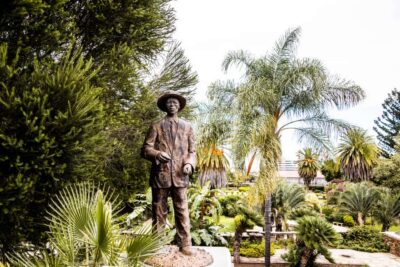

Half-Day Windhoek City and Township Cultural Tour
Read our review →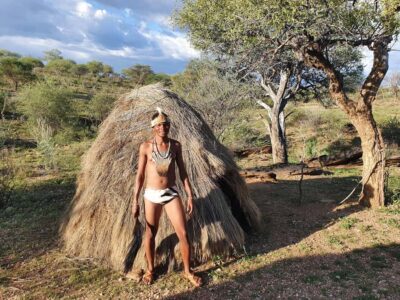
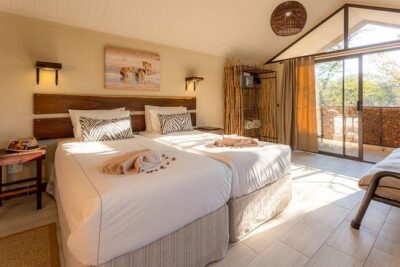
6-Day Dunes and Wildlife Accommodated Safari from Windhoek
Read our review →

10-Day Namibia Highlights Guided Tour from Windhoek
Read our review →
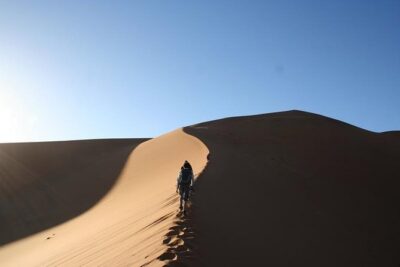
Browse the lists this tour appears in