
Reviewed · WINDHOEK TOURS
Windhoek : Cheetah walk Experience
A cheetah walk in Namibia is interesting for one simple reason, you get to watch the fastest land animal on earth at close range, without turning it into a circus. This one is run at N/a’an ku sê in Khomas, with habituated cheetahs and professional oversight so you can focus on behavior, not tricks.
I like that the experience is both hands-on with the animals and teaching-focused, so you leave understanding what you just saw. I also like the small group setup, with a limit of 8 people, which keeps things calmer for you and for the cheetahs.
One consideration, this is not a meet-and-greet where you control the moment. The cats can walk, lie down, or sprint when they feel like it, and you should expect rules around animal contact and photos.
Key Things That Make This Cheetah Walk Worth It
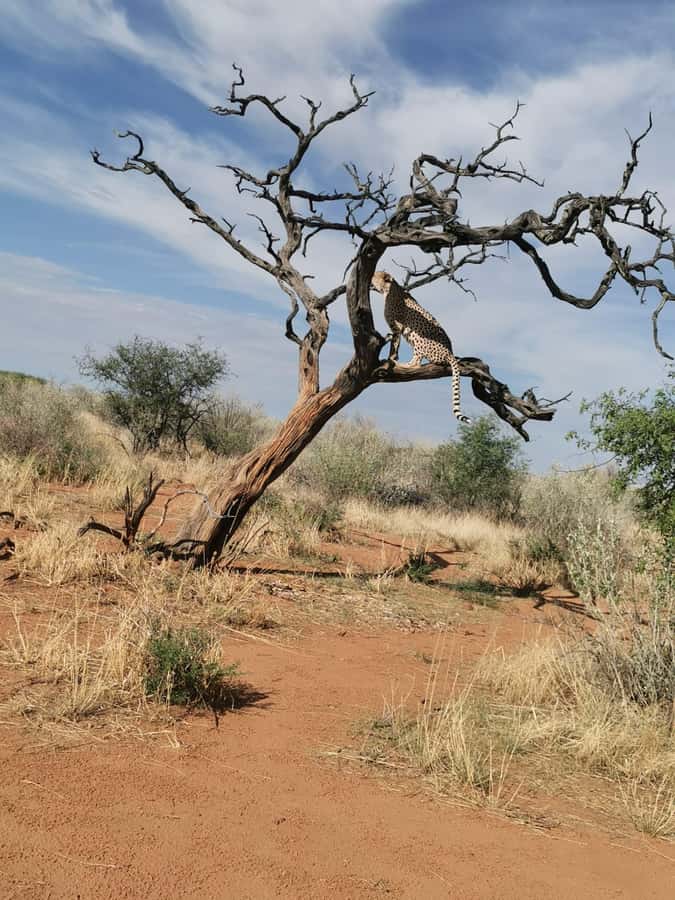
- Close encounters with habituated cheetahs, not staged posing
- Black tear lines and hunting adaptations explained so you can read their behavior
- Small group limit of 8, designed to reduce stress
- N/a’an ku sê conservation education, tied to real-world work
- English live guide, with pickup from Windhoek Central
- Cheetahs set the pace, so you go with their rhythm
Why a Cheetah Walk at N/a’an ku sê Feels Different
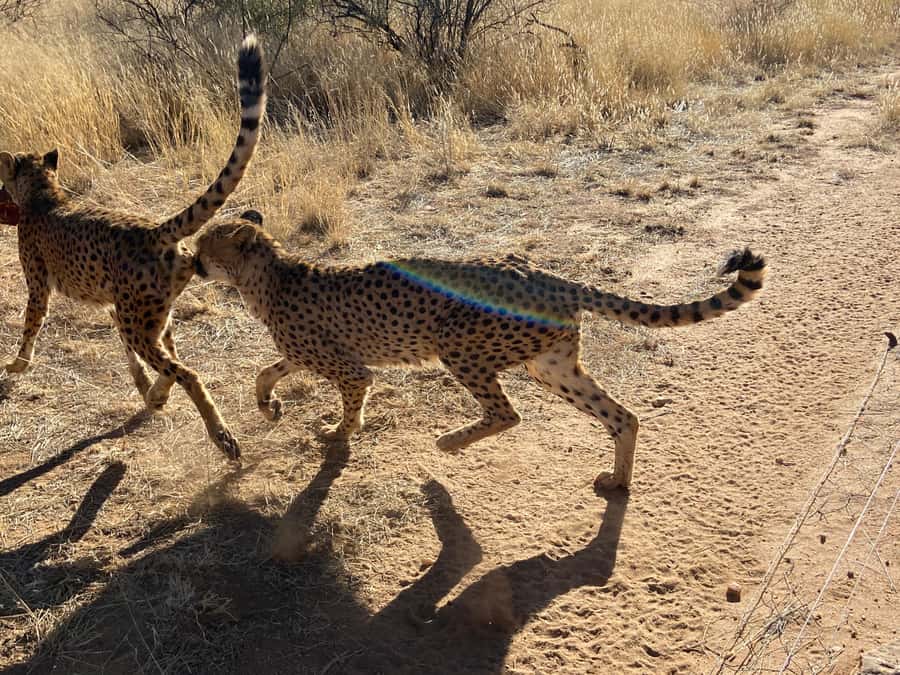
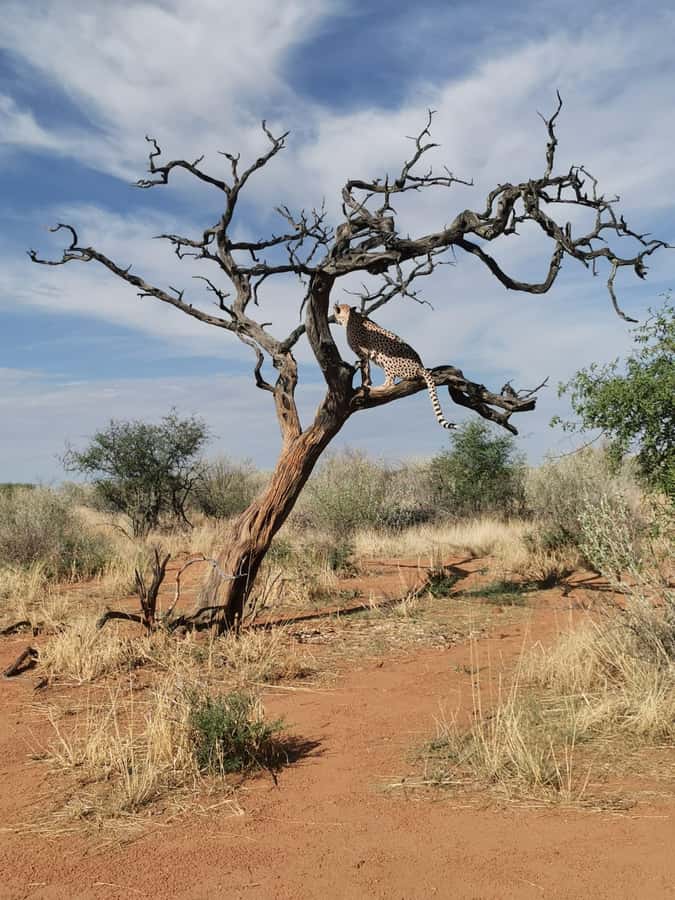
This is a rare kind of animal encounter. You are not going to a zoo where movement is predictable. You are meeting cheetahs that have been habituated, meaning they are used to human presence. That makes it possible to observe natural behavior at close range.
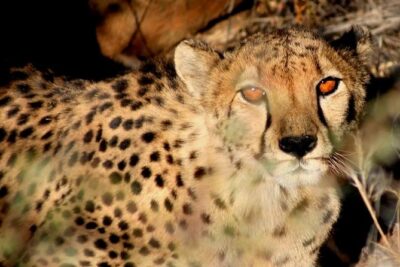
What I love here is that you get more than wow-factor. The experience is built around watching details that actually matter. You’ll learn about the cheetah’s anatomy and hunting look, including those black tear lines that help reduce glare from the sun. When you notice them in person, it stops being trivia and becomes part of how the animal functions.
The other thing I like is the tone. Even though you get to be near the cats, the focus stays on conservation and behavior. It helps you appreciate the animal as a living hunter, not as a prop.
Other ways to spend a day in Windhoek
- Windhoek: Bushman Walk with the San
★ 4.9 · 145 reviews - Private Guided Walking Tour with the San in Windhoek
★ 5.0 · 20 reviews - Windhoek: Katutura Township and City Walking Tour
★ 4.7 · 15 reviews
The Early Morning Run from Windhoek Central (And Why It Matters)
The day starts early. The activity runs daily at 08:00, and pickup is organized from Windhoek Central with departure from Windhoek around 6:00 am. That early timing matters because it usually lines up with active, alert wildlife energy. For you, it means you get the day started before heat and crowds become a problem.
Pickup is handled with clear instructions for popular hotels. If you’re staying at one of the listed spots, you’ll be told where to wait so boarding is smooth. Examples include waiting near the main lobby entrance at Hilton Windhoek, using the driveway setup at Safari Hotel, or positioning near the reception area at places like Avani Windhoek and Am Weinberg Boutique Hotel. Guides typically show up in uniform, so you can spot your team quickly.
Then you head to Khomas for the sanctuary time. It’s not a long day in one sense. It’s still short, but it is concentrated. You spend your energy where it counts, with the cheetahs and the guided explanation.
Arriving at Khomas: What the Sanctuary Visit Focuses On
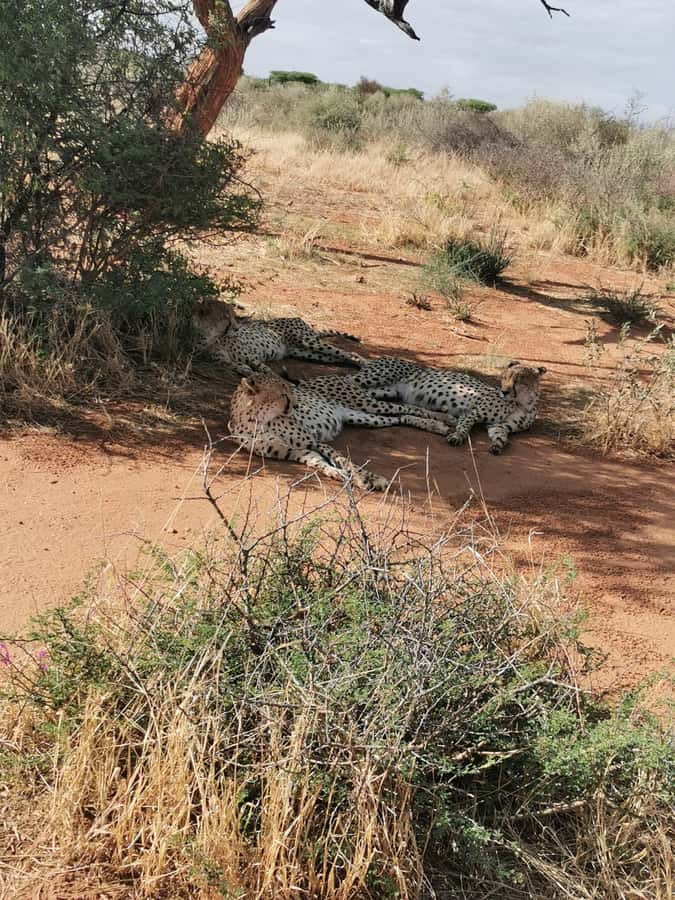
Once you get to N/a’an ku sê, the experience becomes a guided sanctuary session lasting about 1.5 hours. There is a guided tour and a cheetah encounter under professional supervision. You are not wandering freely or doing anything risky.
A detail that I think is practical: you get refreshments included. After the early start, that small comfort helps. It also makes it easier to skip snack decisions while you wait to be called into the main activity area.
Also, there’s a separate entrance so you can skip the line. That sounds minor, but it helps keep the morning smooth. Less waiting means more time for the part you actually paid for.
How Habituation Affects What You See
Habituated cheetahs are the key to this experience. It means the cats are comfortable enough around humans that you can observe them up close without constant disturbance. But it also means you do not control what happens next.
Here’s the mindset that will make your visit better. Go in expecting the cheetahs to behave like cheetahs, not like performers. They may walk over, lay down, rest, or decide to move quickly when the timing suits them. Your guide will help you watch, but the animal decides.
You’ll likely notice their physical cues that connect to hunting. Look for how they scan, pause, and then commit to movement. The goal is to see what makes them sprinters, not just to collect a photo.
And yes, you should take photos and video seriously. The sanctuary may have strict rules about what’s allowed, and you might find limitations on how you appear in pictures. The safest move is to ask your guide what is permitted and follow instructions closely.
More trips out of Windhoek:
- Windhoek: City and Township Tour
★ 4.8 · 430 reviews - Half-Day Windhoek City and Township Cultural Tour
★ 4.5 · 187 reviews - 6-Day Dunes and Wildlife Accommodated Safari from Windhoek
★ 5.0 · 123 reviews - Windhoek City Tour
★ 5.0 · 113 reviews
The Cheetah Encounter Itself: Fast Sprinter Energy, Up Close
This is the centerpiece, the time you came for. The experience centers on getting close to cheetahs at N/a’an ku sê while learning their habits and behaviors.
One thing I love about this setup is how visual it can be. You are not reading signs from far away. You’re seeing features that you usually only notice in wildlife books. That includes the eyes, the facial markings, and the tear lines that can look almost like a built-in glare filter.
Then comes behavior. Watch for how they hold themselves, how they breathe and rest, and how they respond to the environment. You might see moments where they seem calm, then suddenly alert. That shift is part of the story. It’s also why a good guide matters.
If your guide is Matheus, you’re in for a treat. One participant highlighted that he was friendly and strong on information. Even if you do not have him, the guide role is clear: you’re there to learn what you are seeing in real time.
The encounter also comes with boundaries. This isn’t a petting experience. You should expect that you are not touching the cats, and that rules are there to protect them and keep the encounter ethical and safe.
The Conservation Work at N/a’an ku sê, What You Should Pay Attention To
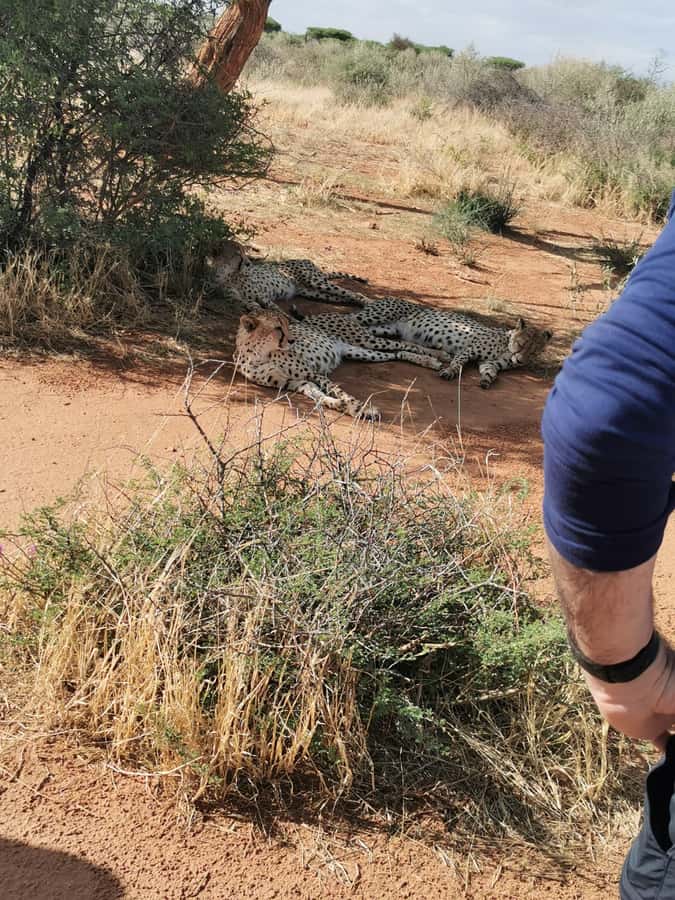
You’re not just seeing cheetahs. You’re also learning how the sanctuary supports cheetah conservation work. That matters because it gives the experience weight.
At N/a’an ku sê, conservation efforts are a core part of the visit. You’ll get guided context on the sanctuary’s role, and that helps you understand why habituation is treated carefully. The point is not to manufacture closeness. The point is to protect animals and educate people while reducing harmful human impacts.
So when your guide explains the work, pay attention to the how and why. Ask yourself what kind of conservation you are supporting by being here. Even simple things like knowing that the cats are habituated for observation, not for interaction, shapes how you view the entire experience.
Timing, Group Size, and the Human Comfort Factor
This trip is designed for a small group, limited to 8 participants. That limit is not just for comfort. It reduces stress and makes it easier for staff to manage the encounter. For you, it also means you are less likely to be blocked or rushed.
The whole experience is about 90 minutes, which keeps it from feeling like a half-day commitment. You get enough time to see the cats and hear the explanation, without needing to plan your schedule around a long excursion.
English is the live tour language. If you’re traveling from abroad, that’s a big plus because you can follow the conservation talk without constantly guessing.
What to Bring, What to Avoid, and How to Prepare
You only need a few things, but they matter.
Bring closed-toe shoes. You’ll want something comfortable and secure since this is a sanctuary setting. Wear clothes you’re comfortable moving in, because you will likely adjust positions as the guide helps you observe.
What not to bring is just as important. Drones are not allowed, and alcohol and drugs are not allowed. If you’re the kind of person who likes to plan like a photographer, skip drone thoughts completely and focus on using your phone or camera normally within the rules.
Also, this activity has a clear age limit. Children are not allowed to participate, and it’s not suitable for children under 15 years. If you’re traveling as a family, this one is likely for adults or older teens only.
Price and Value: Is $280 Fair?
Let’s talk money. The price is listed as $280 per person for this 90-minute experience. For some people, that sounds high. For others, it looks like a conservation-supported, small-group, high-quality encounter.
Here’s my honest way to judge value. You are paying for three things at once:
- Transport from Windhoek and back
- A close-encounter setup with habituated cheetahs
- Guided explanation focused on conservation and behavior
If any of those elements were missing, the price would feel worse. But the combination is what you’re buying.
That said, price can still sting. One participant felt the price was a big markup compared to booking directly with N/a’an ku sê. You might want to compare options if you’re price sensitive, especially if you’re already comfortable arranging things locally.
If you do not want added hassle and you want a simple plan with hotel pickup, then this package can feel like good value. If your budget is tight, do a quick comparison before you commit.
Who Should Book This Cheetah Walk (and Who Should Skip It)
This experience is a strong fit if you want:
- A close wildlife encounter that stays focused on behavior, not just selfies
- A short, well-run excursion from Windhoek Central
- Conservation context you can actually understand in plain English
It’s also a good match if you’re traveling solo, as long as you don’t mind waiting in a small group setting. The cap of 8 keeps things friendly.
I’d skip it if:
- You were hoping for petting or a hands-on interaction. This is about observing and learning.
- You’re traveling with children, because children are not allowed.
- You dislike following animal rule sets. The sanctuary may have strict guidance, and you’ll need to respect it so the cheetahs remain comfortable.
Final Thoughts: Should You Book This Cheetah Walk Experience?
I’d book it if you want a serious cheetah encounter with a small group, an English guide, and conservation education built into the visit. The biggest reasons to go are the habituated setting and the chance to watch real behavior close up, plus the fact that the pace is guided but still animal-led.
I would think twice if you’re very budget-focused, since $280 is not a cheap afternoon. If cost is your main concern, compare direct options with the sanctuary before you pay.
If your goal is simple, learn about cheetahs, see them clearly, and leave with a better understanding of why conservation matters, then this is one of the smarter ways to spend time around Windhoek.
FAQ
Where does the cheetah walk take place?
It takes place in Khomas, Namibia, at N/a’an ku sê. Pickup is from Windhoek Central.
How long is the experience?
The duration is 90 minutes, with about 1.5 hours for the guided sanctuary tour portion.
What time does it run and when do you leave Windhoek?
The activity runs daily at 08:00. It departs from Windhoek at 6:00 am.
How big is the group?
It is a small group capped at 8 participants, and a minimum of 2 participants is required.
What language is the tour in?
The live tour guide speaks English.
Is it suitable for children?
No. Children are not allowed to participate, and it is not suitable for children under 15 years.
What should I bring?
Bring closed-toe shoes.
What is included, and is breakfast or lunch included?
Included items are the experienced guide, close encounters with habituated cheetahs, conservation learning, transportation from Windhoek and back, refreshments, and a professional guide. Lunch and breakfast are not included.
Latest reviews from Windhoek
- Knight Vibes: Bars, Shebeen, Clubs Crawl Windhoek★ 5.0 · 3 reviews
- 10 DAYS BEAUTY OF NAMIBIA | Guided Lodge★ 5.0 · 3 reviews
- Windhoek: Katutura Township Tour with Local Guide★ 3.5 · 3 reviews
- Windhoek: City & Township tour. Vehicle, guide, kapana★ 4.2 · 4 reviews
- Predator Encounter: Half-Day Carnivore Feeding Windhoek★ 4.0 · 5 reviews
- Airport Transfers★ 5.0 · 5 reviews
- 3 Day Camping tour at Etosha National Park★ 5.0 · 5 reviews
- 3 Day Camping safari at Sossusvlei★ 5.0 · 5 reviews
Windhoek Tours, compared.
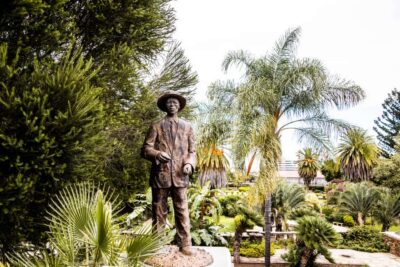

Half-Day Windhoek City and Township Cultural Tour
Read our review →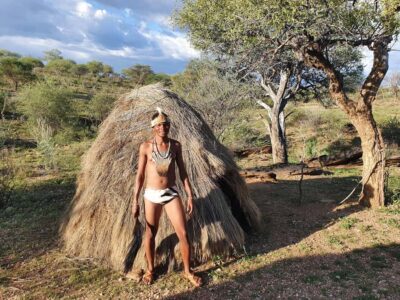
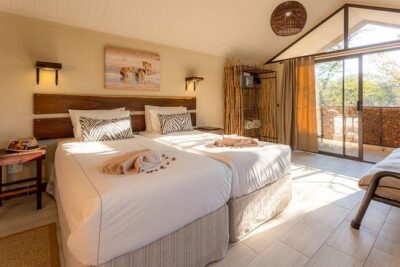
6-Day Dunes and Wildlife Accommodated Safari from Windhoek
Read our review →
10-Day Namibia Highlights Guided Tour from Windhoek
Read our review →
Browse the lists this tour appears in